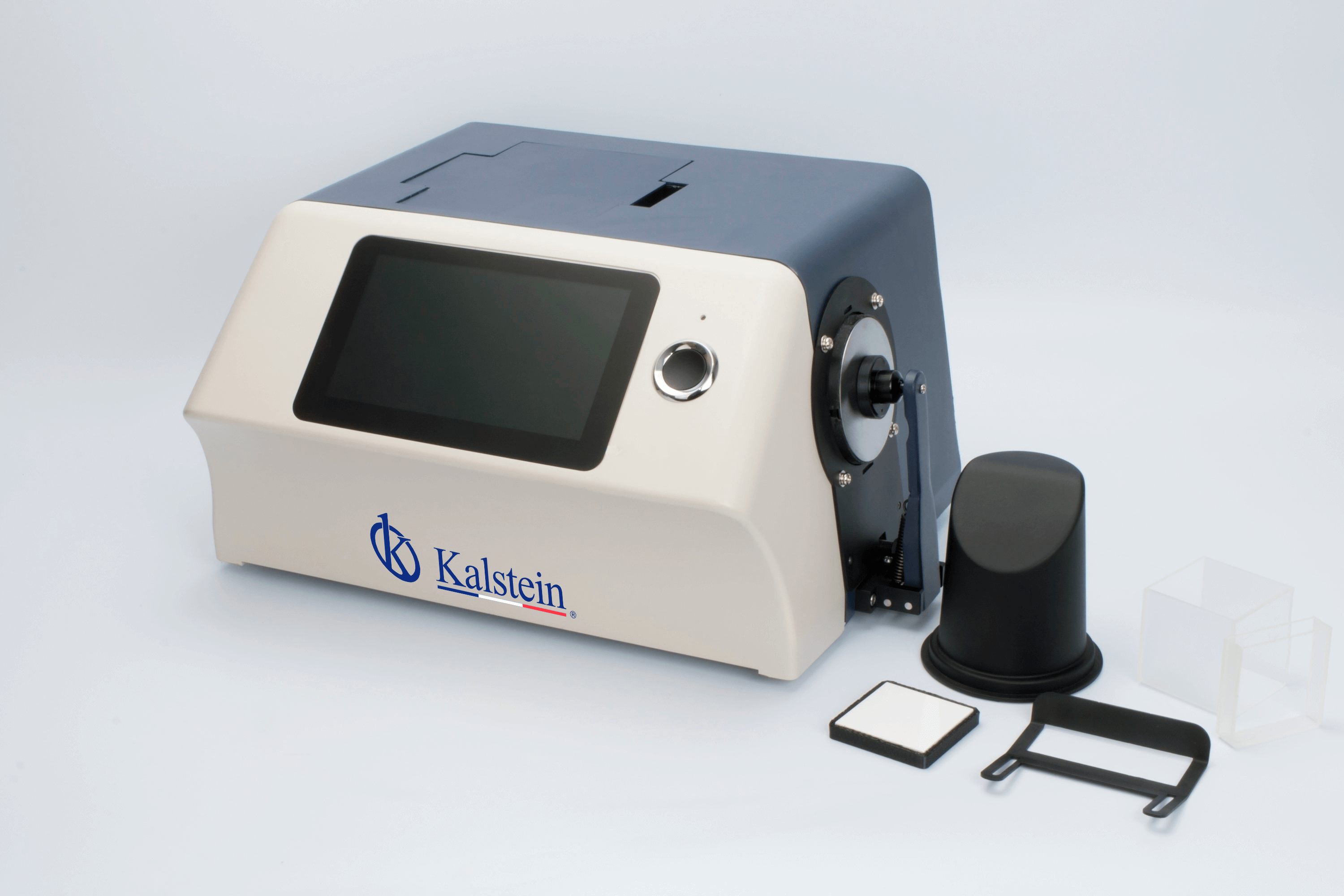
How to Implement Predictive Maintenance and Recommended Calibration for Benchtop Spectrophotometers
Benchtop spectrophotometers are essential tools in laboratories for color measurement and analysis in various applications including R&D and quality control. However, to ensure optimal performance, regular calibration and predictive maintenance are crucial. This article delves into the importance of these practices, their impact on laboratory efficiency, and provides a comparative analysis of different models available in the market.
The Importance of Predictive Maintenance and Calibration
Predictive maintenance refers to the technique of using data analysis tools and techniques to detect anomalies in equipment operation and potential defects. It helps in predicting when maintenance should be performed to minimize downtime and optimize performance. Calibration, on the other hand, is the process of adjusting the precision and accuracy of an instrument to ensure it meets specific standards.
For benchtop spectrophotometers, implementing predictive maintenance and routine calibration can significantly enhance measurement accuracy and long-term reliability. This is particularly vital for laboratories adhering to ISO standards, such as ISO 17025, which requires documented evidence of calibration and maintenance protocols.
Understanding Calibration Standards and Best Practices
Calibration standards such as the CIE No. 15 and ASTM E1164 provide guidelines that ensure consistent and accurate measurements across different instruments and applications. Best practices for calibration include establishing a routine schedule based on the frequency of use, environmental conditions, and manufacturer recommendations.
Regular calibration intervals can vary depending on the model and usage intensity. For instance, high-usage laboratories may require monthly checks, while others might find quarterly or biannual checks sufficient. Documenting calibration results is essential for compliance with quality management systems.
Predictive Maintenance Strategies for Laboratory Equipment
Adopting predictive maintenance involves monitoring the operational parameters of spectrophotometers to anticipate failures before they occur. This includes analyzing data such as temperature fluctuations, humidity levels, and usage patterns. Utilizing software to track these parameters can provide insights into when maintenance is needed without interrupting workflow.
Key performance indicators (KPIs) like Mean Time Between Failures (MTBF) and Mean Time to Repair (MTTR) are useful metrics in evaluating the effectiveness of predictive maintenance strategies. For instance, a well-maintained spectrophotometer may demonstrate a higher MTBF, indicating fewer downtimes.
Comparison of Available Models
| Model | Calibration Features | Predictive Maintenance Capabilities | Best For | Price (USD) |
|---|---|---|---|---|
| YR05474 | ISO compliant, regular intervals recommended | Data logging capabilities for predictive analysis | Research and development | 6430.00 |
| YR05475 | ASTM E1164 compliant | Advanced diagnostics for maintenance scheduling | Quality control labs | 4695.00 |
| YR05476 | Calibration traceable to international standards | Predictive alerts based on usage statistics | Industrial applications | 6430.00 |
| YR05477 | Regular calibration schedule | Monitoring software for predictive maintenance | Environmental testing | 4695.00 |
| YR05478 | Meets CIE and ASTM standards | Continuous condition monitoring | Textile and paint industries | 4445.00 |
| YR05482 | Non-contact calibration specifications | Remote diagnostics | Food and beverage testing | 4950.00 |
Common Mistakes and How to Avoid Them
One of the most common mistakes in spectrophotometer maintenance is neglecting to follow a scheduled calibration routine. This can lead to inaccurate results and potentially jeopardize laboratory compliance with standards such as ISO 17025. Another mistake is failing to document maintenance and calibration activities, which can create gaps in traceability and accountability.
To avoid these mistakes, laboratories should establish a clear maintenance protocol, train personnel on the importance of calibration, and utilize software solutions to schedule and document maintenance activities. Additionally, regular audits can help ensure compliance and operational efficiency.
Frequently Asked Questions
What are the key benefits of predictive maintenance for benchtop spectrophotometers?
Predictive maintenance allows laboratories to anticipate equipment failures and reduce downtime. For instance, models like YR05474 offer data logging capabilities that can indicate wear and tear, facilitating timely interventions before issues arise.
How often should benchtop spectrophotometers be calibrated for ISO compliance?
Calibration frequency largely depends on usage and environmental conditions. Generally, it is advisable to calibrate models such as YR05475 at least quarterly to maintain ISO compliance and ensure measurement accuracy.
Which calibration standards should be followed for benchtop spectrophotometers?
Laboratories should adhere to standards such as CIE No. 15 and ASTM E1164. Models like YR05476 are designed to meet these standards, ensuring accurate color analysis in compliance with international norms.
How does predictive maintenance improve the lifespan of spectrophotometers?
By implementing predictive maintenance, labs can monitor and manage equipment health proactively. For example, the YR05482 model provides remote diagnostics that help identify potential issues before they result in equipment failure, thereby extending its lifespan.
What documentation is required for calibration processes?
Documentation should include calibration records, maintenance logs, and compliance certificates. Adopting a system for tracking this information is essential for models like YR05477, which rely on traceability for ISO compliance.
Which benchtop spectrophotometer is best for industrial applications?
The YR05476 model is particularly suited for industrial applications, offering robust calibration features and predictive maintenance capabilities, making it ideal for environments requiring stringent quality control.
What is the cost impact of regular calibration on laboratory budgets?
While regular calibration incurs costs, it often leads to savings by preventing equipment breakdowns and ensuring accurate results. For instance, investing in YR05478 can save money by minimizing rework and ensuring compliance.
How can calibration and maintenance affect lab efficiency?
Effective calibration and maintenance practices, such as those involving the YR05475, enhance lab efficiency by reducing downtime and ensuring that equipment operates within optimal parameters, increasing throughput significantly.
If you are looking for a fusion of innovation and quality, you have come to the right place. At Kalstein, we offer you the luxury of exploring our exclusive catalog of laboratory equipment. We manufacture every device to the highest standards of excellence. Our intuitive and seamless online purchasing channels are designed for your convenience, securing the most competitive prices. Hesitate no longer — we bring science to life, it is time to become part of our community.