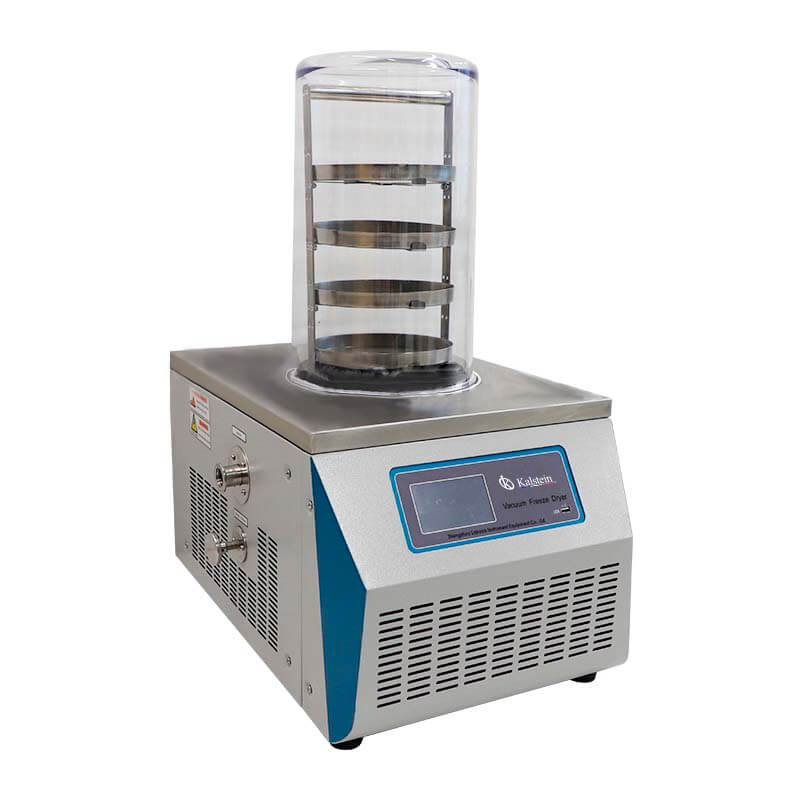
How to Implement Predictive Maintenance and Calibration for Benchtop Laboratory Freeze Dryers?
In laboratory settings, benchtop laboratory freeze dryers play a critical role in preserving biological samples, pharmaceuticals, and various other materials. To ensure that these instruments operate optimally, implementing predictive maintenance and periodic calibration is essential. This article delves into best practices and techniques for maintaining these systems, focusing on several models currently available in the market, including YR05186, YR05187, YR05188, YR05189, and YR05189-1.
Understanding Predictive Maintenance and Calibration
Predictive maintenance refers to the approach of regularly monitoring the condition of freeze dryers to predict when maintenance should be performed. This method reduces downtime and extends the lifespan of the equipment. Calibration, on the other hand, ensures that the freeze dryer maintains its performance according to specified standards, enhancing accuracy in results.
Key Benefits of Predictive Maintenance for Freeze Dryers
1. Cost Efficiency: By predicting potential failures, labs can avoid costly repairs and replacements. The maintenance costs associated with routine checks are significantly lower than reactive maintenance.
2. Operational Continuity: Predictive maintenance minimizes unexpected failures, thereby ensuring that laboratory operations continue without interruption.
Calibration Standards for Benchtop Freeze Dryers
Calibration standards are crucial for ensuring accurate performance of freeze dryers. For instance, maintaining the condenser temperature at -55℃ or -80℃ as specified in models like YR05186 and YR05188 ensures that samples are preserved correctly. Regular calibration checks against traceable standards should be performed at specified intervals.
Common Calibration Intervals
| Model | Recommended Calibration Interval | Calibration Method |
|---|---|---|
| YR05186 | 6 months | Temperature Logger |
| YR05187 | 6 months | Temperature Logger |
| YR05188 | 6 months | Temperature Logger |
| YR05189 | 6 months | Temperature Logger |
| YR05189-1 | 6 months | Temperature Logger |
Choosing the Right Freeze Dryer Model
Selecting the appropriate benchtop laboratory freeze dryer model involves understanding your laboratory's specific needs. For example, the YR05186 offers a larger freeze-drying area and condenser capacity, making it suitable for higher volume processing compared to the YR05187, which is more compact and may be ideal for smaller labs.
Comparison of Available Models
| Model | Freeze Drying Area | Condenser Capacity (L/24h) | Price (USD) |
|---|---|---|---|
| YR05186 | 0.12㎡ | 3-4 | 1780.00 |
| YR05187 | 0.08㎡ | 3-4 | 1943.00 |
| YR05188 | 0.12㎡ | 3-4 | 2433.00 |
| YR05189 | 0.08㎡ | 3-4 | 2596.00 |
| YR05189-1 | - | 3-4 | 2433.00 |
Best Practices for Predictive Maintenance
1. Regular Monitoring: Use sensors and diagnostic tools to monitor critical parameters such as temperature and vacuum levels in real time.
2. Data Analysis: Analyze operational data to identify patterns that could indicate potential failure points in your freeze dryer.
3. Documentation: Maintain a detailed maintenance log, documenting all calibrations, repairs, and replacements to facilitate future analysis.
Common Mistakes and How to Avoid Them
Many laboratories overlook the importance of regular calibration, believing that infrequent checks suffice. This can lead to inaccurate results and compromised sample integrity. To avoid this, establish a strict calibration schedule and adhere to it diligently.
Another common mistake is neglecting to train staff adequately in both operating and maintaining freeze dryers. Regular training sessions can ensure that all team members understand the importance of proper use and maintenance.
Frequently Asked Questions
What are the key calibration metrics for benchtop laboratory freeze dryers?
Calibration metrics for benchtop freeze dryers include temperature accuracy, vacuum levels, and condenser efficiency. For example, maintaining the condenser temperature at -55℃ is crucial for optimal performance across models like YR05186 and YR05187.
How often should I perform predictive maintenance on freeze dryer models?
Predictive maintenance should generally be performed every 6 months, as outlined for the YR05186, YR05187, YR05188, YR05189, and YR05189-1 models. Regular monitoring helps identify potential issues before they escalate.
What are the common signs that my freeze dryer needs calibration?
Common signs include inconsistent drying times, unexpected temperature fluctuations, and deviations in vacuum readings. Regular calibration checks on models like YR05188 can help maintain performance and accuracy.
Which freeze dryer model is best for large scale operations?
The YR05186 model is best suited for large-scale operations due to its greater freeze-drying area and condenser capacity, making it ideal for high-throughput laboratories.
How does predictive maintenance reduce downtime in laboratories?
Predictive maintenance reduces downtime by addressing potential failures before they occur, ensuring continuous operation of freeze dryers like the YR05187 and preventing costly repairs.
What is the recommended temperature for the condenser in freeze dryers?
The recommended temperature for the condenser in freeze dryers, such as YR05188 and YR05189, is typically -55℃, but some models may offer an optional -80℃ setting for more sensitive samples.
Can I integrate predictive maintenance strategies into existing laboratory workflows?
Yes, you can integrate predictive maintenance strategies into existing workflows by using data logging tools and setting up regular monitoring schedules for models like YR05189-1, enhancing overall efficiency.
What documentation should accompany freeze dryer calibration reports?
Calibration reports should include date, results, technician details, and any deviations from expected values. For instance, documenting calibration for YR05186 helps ensure compliance and traceability.
If you are looking for a fusion of innovation and quality, you have come to the right place. At Kalstein, we offer you the luxury of exploring our exclusive catalog of laboratory equipment. We manufacture every device to the highest standards of excellence. Our intuitive and seamless online purchasing channels are designed for your convenience, securing the most competitive prices. Hesitate no longer — we bring science to life, it is time to become part of our community.