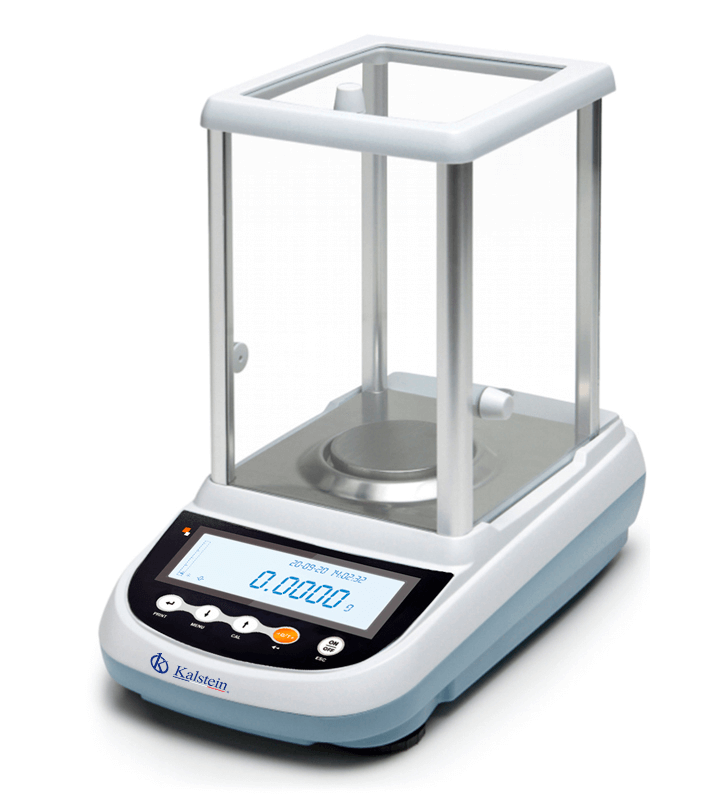
How to Implement Predictive Maintenance and Recommended Calibration for Analytical Balances
In the world of laboratory equipment, particularly with analytical balances, precision and reliability are paramount. This article delves into the critical importance of predictive maintenance and recommended calibration, focusing on how these practices enhance the performance and longevity of analytical balances, ultimately influencing the quality of laboratory results.
Understanding Predictive Maintenance in Analytical Balances
Predictive maintenance is a proactive approach that involves regularly monitoring the performance and condition of analytical balances to predict when maintenance should be performed. This strategy aims to prevent unexpected equipment failures and ensure that balances remain in optimal working condition. By utilizing data from sensors and performance metrics, labs can schedule maintenance activities well before any issues arise.
Benefits of Predictive Maintenance
Implementing predictive maintenance in analytical balances leads to enhanced accuracy and minimized downtime. For instance, the YR05568 analytical balance offers internal calibration capabilities that allow for quick adjustments, ensuring consistent measurement reliability. Regular monitoring can help identify patterns or anomalies in performance, facilitating timely interventions.
Recommended Calibration Practices for Analytical Balances
Calibration is essential to maintain the accuracy of analytical balances. It involves comparing the balance's measurements to a known standard to ensure that the output is within specified limits. Regular calibration can greatly impact the quality of results, particularly in highly regulated environments.
Calibration Frequency Guidelines
Calibration frequency often depends on several factors, including usage intensity, environmental conditions, and manufacturer recommendations. For instance, the YR05569 balance, which features internal calibration, may require less frequent adjustments compared to models without this feature. It's crucial to adhere to a calibration schedule that aligns with laboratory standards such as ISO 17025.
Key Standards and Regulations for Calibration
Compliance with standards like ISO 17025 ensures that analytical balances provide accurate and reliable results. This standard outlines requirements for laboratory management and technical competence. Regular calibration against certified standards is necessary to meet these stringent requirements, ensuring that results are both valid and traceable.
Comparison of Available Models
| Model Code | Calibration Type | Capacity (g) | Resolution (g) | Price (USD) |
|---|---|---|---|---|
| YR05568 | Internal | 220 | 0.1 mg | 790.00 |
| YR05569 | Internal | 310 | 0.1 mg | 825.00 |
| YR05570 | Internal | 410 | 0.1 mg | 1080.00 |
| YR05571 | Internal | 510 | 0.1 mg | 1125.00 |
| YR05572 | Internal | 610 | 0.1 mg | 1240.00 |
| YR05573 | Internal | 100 | 0.0001 g | 325.00 |
Common Mistakes and How to Avoid Them
A common error in maintaining analytical balances is neglecting regular calibration and maintenance schedules. Laboratories should establish a clear protocol, detailing when and how each balance is calibrated. Additionally, assuming that internal calibration eliminates the need for external checks can lead to inaccuracies. It’s vital to combine both approaches to ensure the highest level of precision.
Implementing a Calibration Schedule
Setting a calibration schedule based on usage frequency and environmental conditions is essential for maintaining accuracy. A suggested calibration plan might include daily checks for frequently used balances, while less frequently used models could be calibrated weekly or monthly. For example, the YR05570 balance might require daily calibration checks in a high-traffic lab but can maintain accuracy with less frequent checks in a stable environment.
Frequently Asked Questions
How often should I calibrate my analytical balance for accurate results?
The frequency of calibration for an analytical balance like the YR05568 generally depends on usage and environmental conditions. Regular checks are recommended, ideally daily for high-use models, to ensure accuracy and compliance with standards like ISO 17025.
What are the signs that my analytical balance needs calibration?
Indicators that an analytical balance, such as the YR05571, may need calibration include inconsistent readings, changes in environmental conditions, and after moving the balance. Regular monitoring of performance metrics can help identify these signs early.
Which calibration method is best for analytical balances in laboratories?
For laboratory settings, a combination of internal and external calibration methods is often best. The YR05572 model features an internal calibration function, yet external verification against certified weights ensures compliance with accuracy standards.
What are the consequences of not calibrating analytical balances regularly?
Neglecting regular calibration can lead to inaccurate measurements, affecting the integrity of experiments and results. Models like the YR05569 depend on accurate calibration to meet industry standards and provide reliable data.
How can I implement a predictive maintenance program for analytical balances?
To establish a predictive maintenance program for analytical balances such as the YR05573, start by monitoring usage patterns and performance data. Implement regular inspections and use predictive analytics to anticipate when maintenance is needed based on historical performance trends.
What is the cost of calibration for analytical balances?
The cost of calibration may vary, but on average, it can range from $100 to $300 per session depending on the service provider. Investing in reliable models like the YR05570 can reduce long-term calibration costs by minimizing drift.
Why is internal calibration important for analytical balances?
Internal calibration is crucial as it allows for quick adjustments to maintain accuracy. Models like the YR05568 feature this function, which helps ensure that measurements remain consistent despite environmental changes or wear over time.
How do I know if my analytical balance is compliant with ISO 17025?
To verify compliance with ISO 17025, your analytical balance should undergo regular calibration checks and performance validation. Documented calibration records for models like the YR05571 are essential for demonstrating compliance during audits.
If you are looking for a fusion of innovation and quality, you have come to the right place. At Kalstein, we offer you the luxury of exploring our exclusive catalog of laboratory equipment. We manufacture every device to the highest standards of excellence. Our intuitive and seamless online purchasing channels are designed for your convenience, securing the most competitive prices. Hesitate no longer — we bring science to life, it is time to become part of our community.