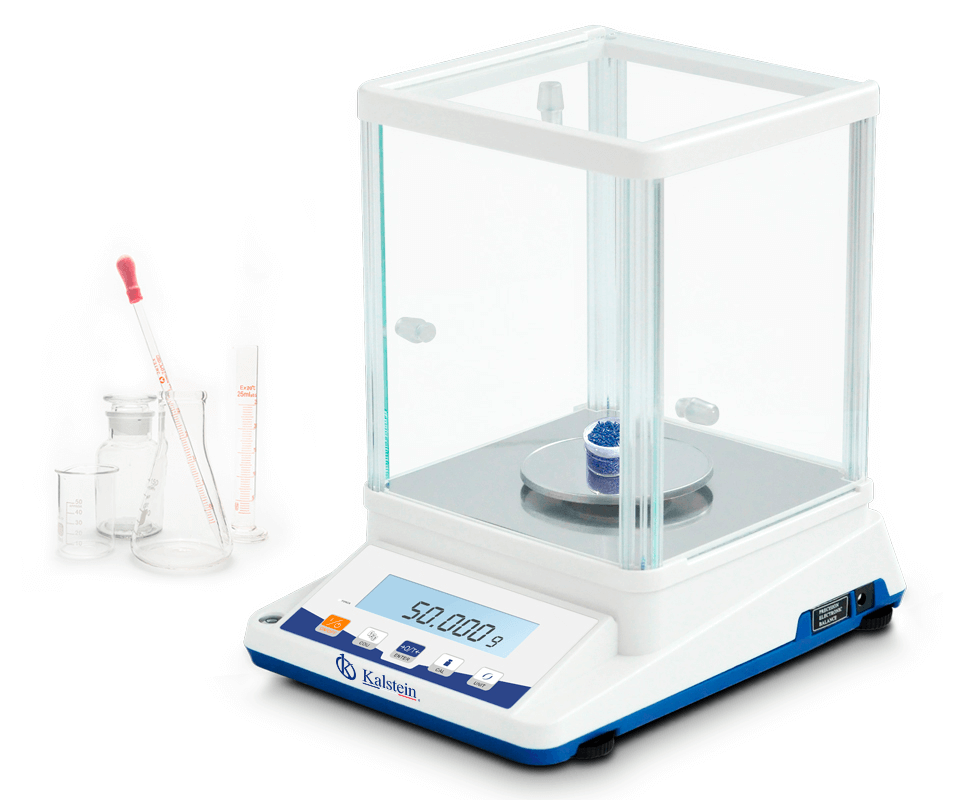
How Precision Balances Enhance University Research and Academic Projects
Precision balances are essential tools in the academic world, facilitating accurate measurements that are crucial for research and academic projects. Universities often require high precision in their experiments, whether in chemistry, biology, or physics. Understanding the capabilities of different models can significantly influence the outcomes of scientific endeavors.
Understanding Precision Balances in Academic Research
Precision balances are used extensively in university laboratories for their ability to measure minute weights with high accuracy. This is critical for disciplines that require precise quantification of samples, such as pharmaceuticals, biochemistry, and materials science. The demand for accurate measurements ensures reproducibility and reliability in scientific findings, making precision balances indispensable in academic settings.
Key Applications in University Research
In academic research, precision balances are utilized for various applications including the formulation of chemical solutions, weighing biological samples, and preparing reagents. For instance, the Precision Balance YR05584 is ideal for tasks needing a capacity of 110g and a readability of 0.001g, making it perfect for laboratories dealing with small sample sizes.
Why Choose a Precision Balance?
The choice of a precision balance can significantly affect the quality of research data. Features such as minimum weighing capacity, overload alarms, and dual display options enhance usability and ensure accuracy in measurements. Models like YR05585, with a capacity of 210g, provide flexibility for various laboratory requirements, thus meeting the diverse needs of academic projects.
Comparison of Available Models
| Model | Capacity (g) | Readability (g) | Minimum Weight (g) | Best For |
|---|---|---|---|---|
| YR05584 | 110 | 0.001 | 0.001 - 0.004 | Small sample research |
| YR05585 | 210 | 0.001 | 0.001 - 0.004 | Multi-user settings |
| YR05586 | 310 | 0.001 | 0.001 - 0.004 | General laboratory use |
| YR05587 | 110/610 | 0.001 | 0.001 - 0.004 | Versatile applications |
| YR05588 | 210 | 0.01 | 0.01 | Heavy sample weighing |
| YR05589 | 310 | 0.01 | 0.01 | Routine analyses |
Common Mistakes and How to Avoid Them
Common mistakes when using precision balances include improper calibration, not accounting for environmental factors, and neglecting to tare the balance before use. Calibration should be performed regularly, ideally before critical measurements. Ensuring the balance is placed on a stable, vibration-free surface and using windshields can enhance measurement accuracy. For example, models like YR05586 come equipped with features that aid in minimizing common errors.
Maximizing the Use of Precision Balances in Academic Projects
To maximize the effectiveness of precision balances in academic projects, it is essential to develop protocols for their usage. Establishing standard operating procedures (SOPs) that include calibration schedules, cleaning protocols, and a checklist of common errors can help maintain accuracy in measurements. Furthermore, integrating these tools into experimental designs can help students learn the importance of precision in scientific research.
Developing Standard Operating Procedures
Creating SOPs for using precision balances involves outlining procedures for calibration, maintenance, and usage. This includes defining frequency for calibration (ideally before each use), guidelines for cleaning the balance, and methods for recording weights accurately. For instance, the Precision Balance YR05585, with ease of use features, can be incorporated into these SOPs to ensure reliability across different users.
Training and Best Practices
Training laboratory personnel and students on best practices when using precision balances is vital. This includes ensuring proper handling of the balance, understanding the significance of taring, and recognizing the impact of environmental conditions on measurements. Engaging students in practical sessions using models like YR05587 can enhance their understanding of these concepts.
Frequently Asked Questions
How can I ensure the accuracy of my precision balance during university research?
Ensuring the accuracy of your precision balance, like the YR05586, involves regular calibration and proper usage protocols. Calibration should be performed before critical measurements, and environmental factors such as temperature and vibration should be controlled to maintain accuracy in your research.
What is the best precision balance model for chemistry experiments in universities?
The Precision Balance YR05584 is one of the best options for chemistry experiments, providing a capacity of 110g and a readability of 0.001g, making it suitable for precise measurements often required in chemical formulations and research.
How often should I calibrate my precision balance in a university lab?
Calibration of precision balances, such as the YR05585, should ideally occur before each significant use or daily in high-usage environments. Regular calibration ensures accurate measurements and helps maintain the integrity of research results.
What are the minimum weight limits of different precision balance models?
The minimum weight limit varies by model; for example, the YR05584 can weigh as low as 0.001g, making it ideal for applications requiring high precision in small sample sizes, while other models like YR05588 have a higher minimum limit.
How do I choose the right precision balance for academic projects?
Choosing the right precision balance involves considering capacity, readability, and the specific needs of your academic projects. The Precision Balance YR05586, for instance, with a capacity of 310g and high readability, is versatile for various laboratory applications.
What role do precision balances play in research reproducibility?
Precision balances, such as the YR05587, play a critical role in research reproducibility by ensuring that measurements are accurate and consistent across experiments. This reliability is fundamental for producing valid scientific conclusions.
How can I integrate a precision balance into a digital lab environment?
Integrating precision balances into a digital lab involves connecting them to laboratory information management systems (LIMS) for data tracking and analysis. Models like the YR05588 can support such integration through their digital interfaces, facilitating workflow efficiency in research.
What safety measures should be taken when using precision balances?
When using precision balances, it is important to follow safety measures such as using personal protective equipment (PPE), ensuring the balance is on a stable surface, and keeping the working area clean. These practices help prevent accidents and maintain the integrity of measurements.
If you are looking for a fusion of innovation and quality, you have come to the right place. At Kalstein, we offer you the luxury of exploring our exclusive catalog of laboratory equipment. We manufacture every device to the highest standards of excellence. Our intuitive and seamless online purchasing channels are designed for your convenience, securing the most competitive prices. Hesitate no longer — we bring science to life, it is time to become part of our community.