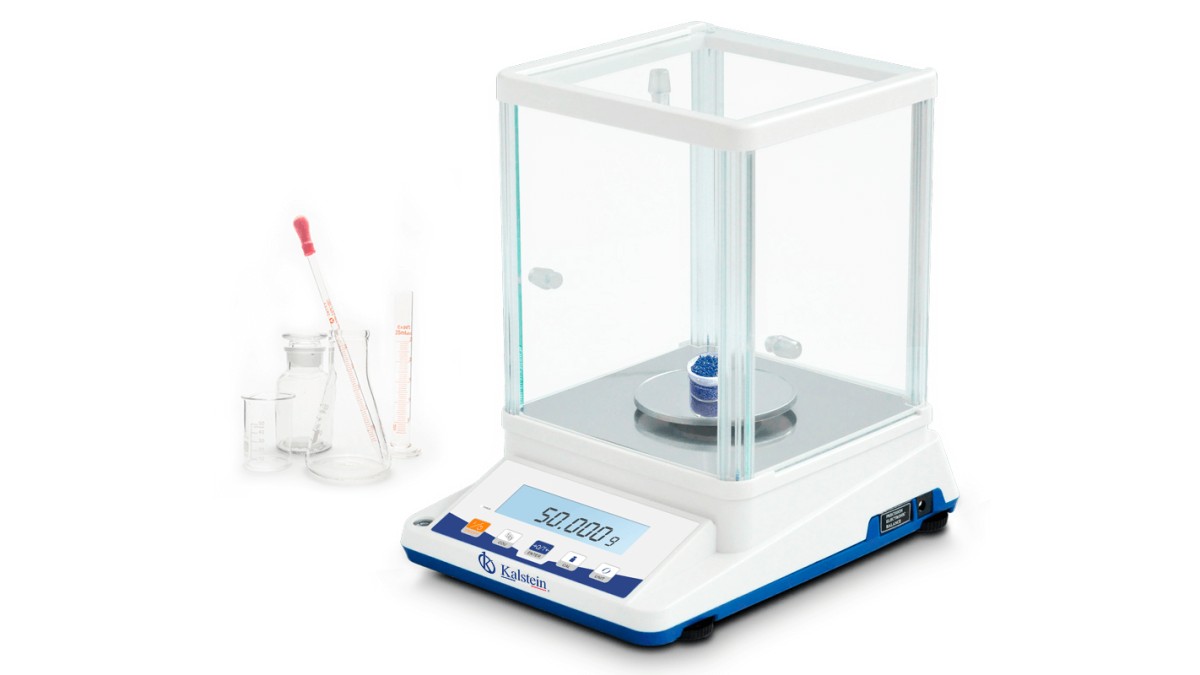
Precision Balances: Best Techniques and Protocols for 2026
Precision balances are essential tools in laboratory settings, ensuring accuracy in weights for various applications. In 2026, the use of these balances has evolved, emphasizing best practices and advanced techniques that enhance laboratory workflows. This article delves into the purpose of precision balances, their historical evolution, a step-by-step guide on their use, and practical applications within different laboratory types.
What is it used for in 2026
In 2026, precision balances are utilized across various laboratory environments including chemical, pharmaceutical, and research laboratories. Their primary function is to provide accurate weight measurements of samples, which are crucial in experiments, material analysis, and product formulation. Precision balances ensure that scientists can conduct experiments with minimal error margins, leading to more reliable results.
History and evolution of the technology
The evolution of precision balances dates back to the invention of the classical balance scale. Over the decades, technology has significantly advanced, leading to the development of electronic precision balances that offer digital displays, improved accuracy, and advanced features such as connectivity options. In 2026, these balances incorporate smart technology, enabling integration with laboratory management systems and data analysis software, enhancing their usability in modern labs.
How to use it step by step
Using a precision balance involves the following steps:
- Preparation: Ensure the balance is on a stable surface, away from vibrations and drafts.
- Calibration: Perform calibration with certified weights before every use to ensure accuracy.
- Taring: Place an empty container on the balance and press the tare button to zero the display.
- Weighing: Add the sample into the container and record the weight displayed.
- Data recording: Document the measurement in your lab notebook or electronic records.
- Cleaning: After use, clean the balance surface to maintain hygiene and prevent cross-contamination.
Best techniques and protocols
To maximize the effectiveness of precision balances in 2026, consider the following techniques:
- Always calibrate balances regularly and use certified calibration weights.
- Use appropriate containers and avoid direct contact between the sample and the balance.
- Limit airflow around the balance using draft shields when necessary.
- Ensure the balance is leveled correctly before use.
- Adopt a systematic approach to data recording to enhance traceability.
Practical applications by laboratory type
Different laboratory types utilize precision balances for various applications:
- Chemical laboratories: Used for measuring chemicals accurately for experiments and formulations.
- Pharmaceutical laboratories: Essential for precise formulation of medications and compounds.
- Food laboratories: Used in quality control and ingredient formulation.
- Research and development: Facilitates accurate measurement for experimental setups.
Regulations, standards and certifications
Precision balances must comply with various laboratory standards and regulations such as:
- ISO 9001 for quality management systems.
- ISO/IEC 17025 for testing and calibration laboratories.
- Good Manufacturing Practices (GMP) for pharmaceutical production.
Comparison with alternative technologies
While precision balances are widely used, alternative technologies include:
- Analytical balances: Provide higher precision but are generally more expensive.
- Load cells: Used in industrial applications for weight measurement but lack laboratory precision.
- Hydrostatic weighing: Used for specific applications where buoyancy effects are considered.
Comparison of available models
| Model | Best for | Key specs | Recommended use case |
|---|---|---|---|
| YR05584 | Small sample weighing | Capacity: 110g, Readability: 0.001g | Laboratory experiments requiring high precision. |
| YR05585 | General laboratory use | Capacity: 210g, Readability: 0.001g | Routine weighing tasks in chemical labs. |
| YR05586 | Standard measurements | Capacity: 310g, Readability: 0.001g | Ideal for pharmaceutical measurements. |
| YR05587 | Heavy sample weighing | Capacity: 610g, Readability: 0.001g | Used in research applications. |
| YR05588 | Medium sample weighing | Capacity: 210g, Readability: 0.01g | Quality control in food laboratories. |
| YR05589 | Medium sample weighing | Capacity: 310g, Readability: 0.01g | General use in various labs. |
Common mistakes and how to avoid them
To ensure accurate measurements, avoid these common mistakes:
- Neglecting to calibrate the balance frequently.
- Using unsuitable containers that can affect weight.
- Overloading the balance beyond its capacity.
- Ignoring environmental factors like vibrations or drafts.
Maintenance, calibration and good practices 2026
Regular maintenance and calibration are vital for longevity and accuracy:
- Calibrate regularly with certified weights.
- Clean the balance after each use to prevent contamination.
- Store the balance in a safe, dry environment.
- Inspect cables and connections regularly if electronic.
Cost-benefit analysis 2026
Investing in precision balances offers significant benefits:
- Enhanced accuracy leads to reliable results.
- Reduces waste by minimizing measurement errors.
- Improves productivity with faster weighing processes.
When considering the purchase of new balances, weigh the initial costs against long-term savings from improved efficiency and accuracy.
Frequently asked questions
How do I choose the right precision balance for my laboratory?
Consider your specific weighing needs, the maximum weight capacity required, readability, and any specific features that might benefit your laboratory tasks.
What is the importance of calibration for precision balances?
Calibration ensures that the balance provides accurate measurements, which is critical for the reliability of laboratory results.
Can I use precision balances for weighing liquids?
Yes, but it's recommended to use appropriate containers to avoid spills and ensure accuracy.
How frequently should precision balances be maintained?
Regular maintenance should be conducted daily, with calibration performed before major weighing sessions or after significant environmental changes.
What are the most common environmental factors that affect weighing accuracy?
Factors such as drafts, vibrations, temperature fluctuations, and humidity can significantly impact the accuracy of precision balances.
Are there specific best practices for using precision balances in food laboratories?
Yes, maintain cleanliness, use appropriate food-safe containers, and calibrate frequently to comply with food safety standards.
If you are looking for a fusion of innovation and quality, you have come to the right place. At Kalstein, we offer you the luxury of exploring our exclusive catalog of laboratory equipment. We manufacture every device to the highest standards of excellence. Our intuitive and seamless online purchasing channels are designed for your convenience, securing the most competitive prices. Hesitate no longer — we bring science to life, it is time to become part of our community.