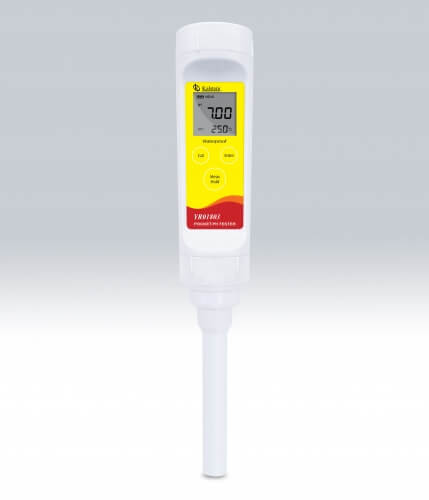
How to Choose Portable pH Meters for Field Laboratories
In the rapidly evolving field of environmental monitoring and on-site testing, portable pH meters have become indispensable tools for laboratory professionals. These devices enable accurate pH measurements in various field conditions, ensuring reliable data collection for research and analysis. This article will explore the trends in miniaturization and portability, delve into the specifics of various models, and provide insights into optimal usage scenarios for these instruments.
Understanding the Importance of Portability in pH Meters
Portable pH meters are designed for field use, making them crucial for laboratory professionals who need to conduct tests away from the traditional lab environment. Their compact design allows for easy transportation, which is essential when conducting tests in remote locations, such as rivers, lakes, soil samples, or agricultural settings.
The main advantages of using portable pH meters include their lightweight nature, battery operation for remote use, and the ability to withstand harsh environmental conditions. This article focuses on evaluating different models based on their portability, accuracy, user-friendliness, and additional features, ensuring that users can select the best portable pH meter for their needs.
Trends in Miniaturization and Portability of Laboratory Equipment
The trend toward miniaturization in scientific instruments has brought about significant advancements in portable pH meters. These developments include advancements in sensor technology, which have enabled the creation of smaller, lighter devices without compromising accuracy. Users can now expect rugged designs that meet IP ratings for water and dust resistance, making them suitable for outdoor environments.
Battery technology has also improved, providing longer operational times and quicker charging capabilities. The combination of these advancements allows for enhanced usability in dynamic field conditions, making portable pH meters versatile for various applications, including environmental monitoring, aquaculture, and food safety testing.
Comparison of Available Portable pH Meter Models
| Model | pH Range | Accuracy | Calibration Points | Temperature Compensation | Price (USD) |
|---|---|---|---|---|---|
| YR01803 | -1.00 to 15.00 pH | ± 0.01 pH | 1 to 3 points | Automatic | 77.00 |
| YR01804 | -1.00 to 15.00 pH | ± 0.01 pH | 1 to 3 points | Manual | 75.00 |
| YR01800 | -1.00 to 15.00 pH | ± 0.2 pH | 1 to 3 points | Automatic | 18.00 |
| YR01800-1 | -1.00 to 15.00 pH | ± 0.05 pH | 1 to 3 points | Automatic | 24.00 |
| YR01802 | -1.00 to 15.00 pH | ± 0.01 pH | 1 to 3 points | Automatic | 94.00 |
| YR01802-1 | -1.00 to 15.00 pH | ± 0.01 pH | 1 to 3 points | Automatic | 72.00 |
Common Mistakes and How to Avoid Them
When selecting portable pH meters, professionals often make several common mistakes that can lead to inaccurate measurements or device failure. One frequent error is neglecting the calibration process. Many users assume that their meters will retain accuracy indefinitely; however, regular calibration is essential for reliable performance.
Another mistake is overlooking the importance of temperature compensation. Many portable pH meters feature automatic temperature compensation (ATC) which adjusts readings based on sample temperature. Users should always ensure their device supports ATC to avoid skewed results. Additionally, it’s critical to properly maintain and store the electrodes to prolong their lifespan and ensure accurate pH readings.
Exploring Additional Features in Portable pH Meters
Modern portable pH meters come equipped with various features that enhance their usability and accuracy. For instance, many models include dual display screens for simultaneous readings, while some allow for data logging and Bluetooth connectivity for seamless data transfer and analysis.
Features such as low battery alarms, waterproof and dustproof designs, and user-friendly interfaces improve the overall experience, particularly in field conditions where reliability is paramount. Understanding these features can help users select a model that best fits their specific needs and application scenarios.
Key Considerations for Field Deployment of pH Meters
When deploying portable pH meters in the field, several key considerations should be addressed. First, the weight and size of the device are important factors, especially if the equipment needs to be transported over long distances or in rugged terrain. Additionally, the battery life should be sufficient to last through field campaigns without frequent recharging.
Durability is another crucial aspect; selecting meters with high IP ratings (such as IP57) ensures resistance against water and dust, thus safeguarding the device from environmental elements that could affect performance. Furthermore, understanding the specific testing environments and conditions helps professionals choose the appropriate electrode types suited for their samples.
Answering Frequently Asked Questions
What factors should I consider when choosing a portable pH meter for field use?
When selecting a portable pH meter like the YR01803, consider factors such as the pH range, accuracy, calibration capabilities, and temperature compensation features. A model with automatic temperature compensation, for example, ensures accurate readings across different environmental conditions.
How often should I calibrate my portable pH meter for accurate readings?
Calibration frequency depends on usage frequency and environment. For models like the YR01802, it is advisable to calibrate before each use or at least weekly if used frequently to maintain accuracy within ±0.01 pH.
Which portable pH meter models are best for measuring samples in outdoor environments?
Models like the YR01800 offer rugged designs with high IP ratings, making them ideal for outdoor use. Their lightweight structure facilitates easy transport, ensuring accurate measurements in various environmental conditions.
How does temperature affect the accuracy of portable pH meters?
Temperature can significantly affect pH readings. Models like the YR01804 incorporate manual temperature compensation, which allows users to input temperatures accurately, ensuring that the readings reflect true sample conditions.
Can I use a portable pH meter for measuring soil pH levels?
Yes, portable pH meters like the YR01802 are suitable for measuring soil pH levels, especially those designed for semi-solid samples. Their flat-surface electrodes enhance measurement accuracy within soil matrices.
What maintenance practices should I follow for my portable pH meter?
Regular maintenance for models like the YR01803 includes proper cleaning of electrodes after each use, storing them in appropriate solutions, and ensuring battery life is monitored. This practice extends the meter's lifespan and maintains accuracy.
Which portable pH meter model offers the best balance of features and price?
The YR01804 is an excellent choice, providing advanced calibration features, manual temperature compensation, and an affordable price point of $75, making it suitable for a variety of field applications.
How do I ensure my portable pH meter is ready for field measurements?
To ensure readiness, verify that models like the YR01800 are fully charged, calibrated, and have clean electrodes before heading into the field. Additionally, prepare buffer solutions for calibration on-site to maintain accuracy.
If you are looking for a fusion of innovation and quality, you have come to the right place. At Kalstein, we offer you the luxury of exploring our exclusive catalog of laboratory equipment. We manufacture every device to the highest standards of excellence. Our intuitive and seamless online purchasing channels are designed for your convenience, securing the most competitive prices. Hesitate no longer — we bring science to life, it is time to become part of our community.