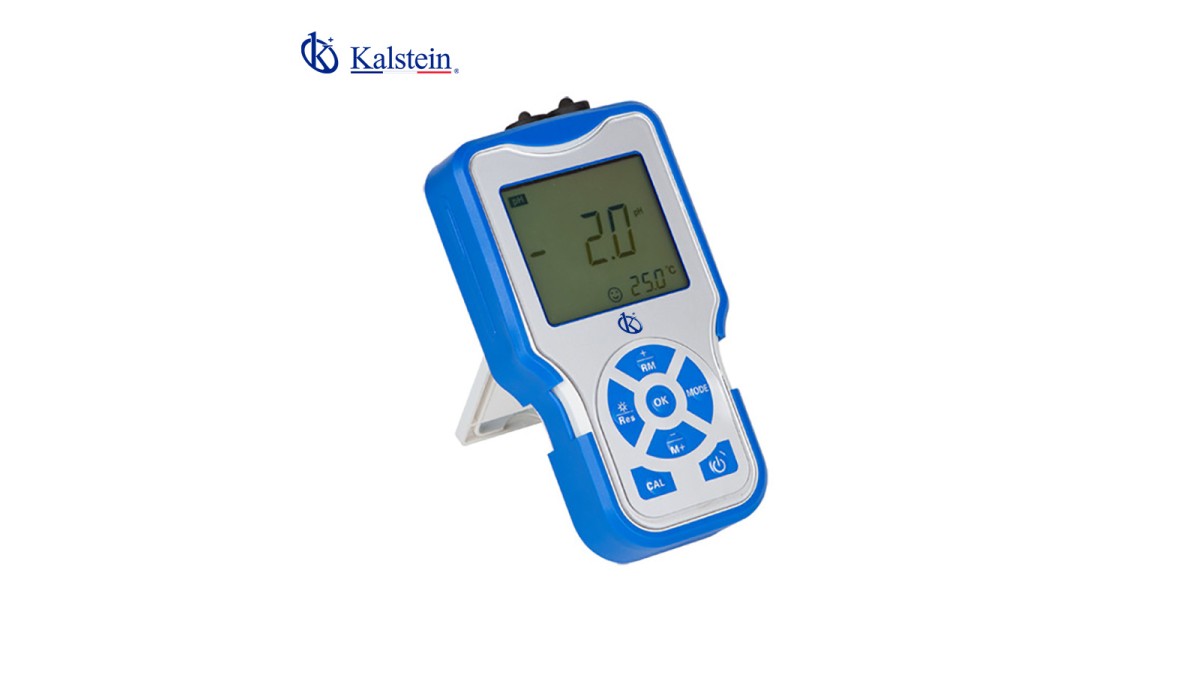
Portable Ion Meters: Practical Applications and Techniques 2026
In clinical and hospital laboratories, the need for accurate and reliable measurements of ion concentrations has led to the widespread use of portable ion meters. These devices are essential for various applications, from environmental monitoring to quality control in pharmaceutical industries.
What is it used for in 2026
In 2026, portable ion meters are utilized in a variety of laboratory settings. They are primarily used to measure the concentration of specific ions in liquid samples, including pH levels, ammonium ions, and other vital parameters. They serve multiple purposes such as:
- Environmental Testing: Assessing water quality in rivers, lakes, and treatment plants.
- Clinical Diagnostics: Analyzing blood and urine samples for electrolyte balance.
- Food and Beverage Industry: Ensuring product quality by measuring ion concentrations.
- Pharmaceutical Production: Monitoring ion levels during drug formulation.
History and evolution of the technology
The evolution of ion measurement technology began in the mid-20th century with the development of the ion-selective electrode (ISE). Initially large and cumbersome, these devices have evolved into compact, portable versions that offer enhanced accuracy and user-friendly interfaces. The introduction of digital displays and automated calibration has further simplified their use, making them accessible for a wide range of applications in 2026.
How to use it step by step
Using a portable ion meter involves several straightforward steps:
- Preparation: Ensure the meter is clean and calibrated according to manufacturer specifications.
- Sample Collection: Collect the liquid sample in a clean container, ensuring no contamination.
- Calibration: Calibrate the meter using standard solutions that align with the expected ion concentration.
- Measurement: Insert the electrode into the sample and allow the reading to stabilize.
- Record the Reading: Document the ion concentration as displayed on the meter.
- Clean Up: Rinse the electrode and store it according to the manufacturer’s guidelines.
Best techniques and protocols
To achieve accurate results when using portable ion meters, adhere to the following best practices:
- Always calibrate before use, especially if the meter has not been used for a while.
- Use fresh standard solutions for calibration and replace them regularly.
- Allow the electrode to equilibrate in the sample for a few moments before taking a reading.
- Avoid introducing air bubbles during measurement as they can affect the accuracy.
Practical applications by laboratory type
Portable ion meters find applications across various types of laboratories:
- Clinical Laboratories: Used for monitoring electrolyte levels in patient samples.
- Environmental Laboratories: Employed to analyze water quality in natural bodies and waste treatment.
- Food Testing Laboratories: Vital for ensuring compliance with safety standards in food products.
- Research Laboratories: Used in experiments where precise ion measurement is crucial.
Regulations, standards and certifications
Portable ion meters must comply with various international standards to ensure their reliability and accuracy. These include ISO certifications related to measurement accuracy and safety. Additionally, laboratory-specific regulations, such as GLP (Good Laboratory Practice), guide the operational usage of these devices to maintain consistency across results.
Comparison with alternative technologies
When compared to alternative technologies such as stationary ion meters or colorimetric methods, portable ion meters offer significant advantages:
- Portability: Easy to transport and use in-field applications.
- Real-time Data: Instantaneous readings allow for immediate analysis and decision-making.
- Cost-Effectiveness: Generally lower cost compared to complex laboratory setups.
Comparison of available models
| Model | Best for | Key specs | Recommended use case |
|---|---|---|---|
| YR01816 | General ion concentration measurement | pH range: -2.000 to 20.000; Accuracy: ± 0.002 pH | Ideal for laboratory settings requiring versatility in ion analysis. |
| YR01817-1 | Ammonium ion measurement | Concentration range: 5 × 10⁻⁶ to 1 M; Accuracy: ± 0.5% FS | Best suited for environmental monitoring and wastewater analysis. |
| YR01817-10 | Ammonium ion measurement | Concentration range: 5 × 10⁻⁶ to 1 M; Accuracy: ± 0.5% FS | Similar applications as YR01817-1, but with enhanced features. |
| YR01817-11 | Ammonium ion measurement | Concentration range: 5 × 10⁻⁶ to 1 M; Accuracy: ± 0.5% FS | Designed for field testing in varying environments. |
| YR01817-12 | Ammonium ion measurement | Concentration range: 5 × 10⁻⁶ to 1 M; Accuracy: ± 0.5% FS | Useful in clinical settings for patient sample analysis. |
| YR01817-13 | Ammonium ion measurement | Concentration range: 5 × 10⁻⁶ to 1 M; Accuracy: ± 0.5% FS | Ideal for laboratory experiments requiring precise ammonium measurements. |
Common mistakes and how to avoid them
To maintain accuracy in measurements, avoid the following common mistakes:
- Not calibrating the meter regularly — Always calibrate before use.
- Using contaminated samples — Ensure samples are collected in clean containers.
- Neglecting to clean the electrode — Regular maintenance of the electrode is crucial for accuracy.
Maintenance, calibration and good practices 2026
For optimal performance of portable ion meters:
- Perform regular calibrations using fresh standard solutions.
- Store electrodes according to manufacturer instructions to prevent drying out.
- Regularly inspect the device for any signs of wear or damage.
Cost-benefit analysis 2026
Investing in portable ion meters provides substantial benefits in terms of accuracy and convenience. While initial costs may vary based on features and specifications, the return on investment can be realized through improved efficiency and reduced analysis time in laboratories.
Frequently asked questions
What should I consider when choosing a portable ion meter?
When selecting a portable ion meter, consider factors such as the types of ions you need to measure, the accuracy required, ease of use, and the device's calibration capabilities.
How often should I calibrate my portable ion meter?
It is recommended to calibrate your portable ion meter before each use, especially if the meter has not been used for a while or if you are measuring different ion types.
Can portable ion meters be used in field applications?
Yes, portable ion meters are designed for field applications, making them suitable for environmental testing and other outdoor measurements.
What are the common maintenance practices for portable ion meters?
Regular calibration, cleaning of electrodes, and proper storage are essential maintenance practices to ensure the longevity and accuracy of portable ion meters.
How do I interpret the readings from a portable ion meter?
Readings from a portable ion meter indicate the concentration of the specific ions measured, which can then be compared against standard thresholds or used for further analysis.
Is training required to use portable ion meters effectively?
While basic training is beneficial for understanding proper usage and maintenance, many portable ion meters are user-friendly and designed for intuitive operation.
Where can I request a quote for a portable ion meter?
You can request a quote for a portable ion meter through our customer support or online channels to find the best options for your laboratory needs.
If you are looking for a fusion of innovation and quality, you have come to the right place. At Kalstein, we offer you the luxury of exploring our exclusive catalog of laboratory equipment. We manufacture every device to the highest standards of excellence. Our intuitive and seamless online purchasing channels are designed for your convenience, securing the most competitive prices. Hesitate no longer — we bring science to life, it is time to become part of our community.