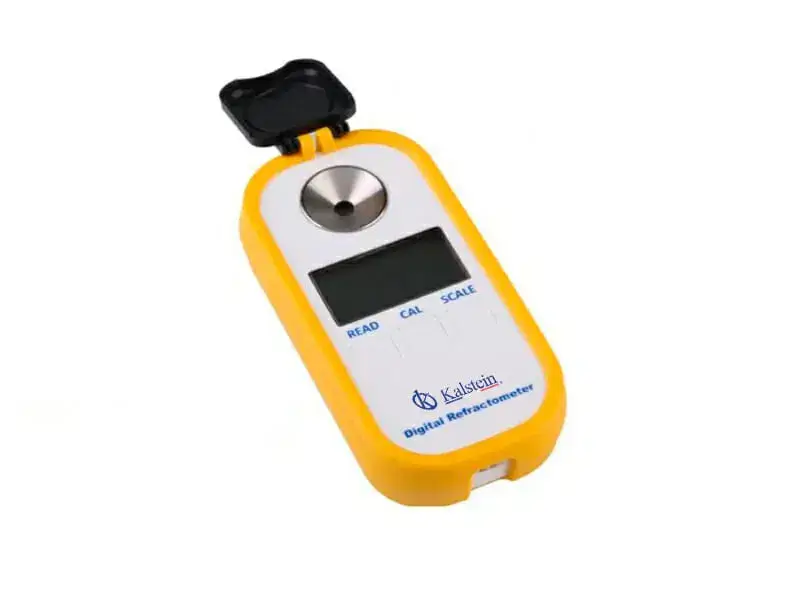
What Are the Best Practices for Portable Digital Salinity Refractometers in Field Labs?
As laboratory professionals work in increasingly dynamic and challenging environments, the demand for portable and compact laboratory equipment, such as digital salinity refractometers, has surged. This article delves into the importance of miniaturization and portability in laboratory equipment, specifically focusing on digital salinity refractometers. We will examine their applications, benefits in field laboratories, and best practices for optimal usage.
Understanding Digital Salinity Refractometers
Digital salinity refractometers are specialized devices used to measure the salinity of solutions, such as sodium chloride and seawater. Their ability to provide accurate salinity readings quickly makes them invaluable tools in various fields, including environmental monitoring, fisheries, and water-quality testing. The miniaturization trend in laboratory equipment has led to more portable designs that cater to field laboratory needs.
Comparison of Available Models
| Model | Measurement Range | Min. Division | Accuracy | Temperature Compensation | Best For |
|---|---|---|---|---|---|
| YR05953 | 0.0--28.0% | 0.10% | ±0.1% | Yes (0-40°C) | Seawater analysis |
| YR05954 | 0--280‰ | 1‰ | ±1‰ | Yes (0-40°C) | Marine biology studies |
| YR05955 | 1.000-1.217 | 0.001 | ±0.002 | Yes (0-40°C) | Density measurements |
| YR05956 | 1.3330--1.3900nD | 0.0001nD | ±0.0003nD | Yes (0-40°C) | Refractive index testing |
| YR05957 | 0—100‰ | 1‰ | ±2‰ | Yes (0-40°C) | Brackish water analysis |
| YR05958 | 0--57‰ | 1‰ | ±2‰ | Yes (0-40°C) | Field testing in saline environments |
| YR05959 | 1.000-1.070 | 0.001 | ±0.002 | Yes (0-40°C) | Liquid density analysis |
| YR05960 | 1.3330--1.3530nD | 0.0001nD | ±0.0003nD | Yes (0-40°C) | Precision refractive index measurements |
Advantages of Miniaturization in Field Laboratories
The miniaturization of digital salinity refractometers offers several advantages for field laboratories. First, their compact size allows for easy transport and deployment in remote locations, essential for environmental monitoring and research. Second, lightweight designs reduce the burden on laboratory professionals, enabling them to work efficiently without compromising accuracy. Moreover, modern portable models often include features such as automatic temperature compensation (ATC), allowing for reliable measurements without the need for manual adjustments.
Applications of Portable Digital Salinity Refractometers
Portable digital salinity refractometers are employed in various applications, including:
- Environmental Monitoring: These devices are crucial in assessing salinity levels in freshwater and marine ecosystems.
- Aquaculture: Maintaining optimal salinity levels is vital for the health of aquatic species, and refractometers help in monitoring these parameters.
- Water Quality Testing: Regular testing of water sources ensures the safety and suitability of water for human consumption and recreational activities.
Best Practices for Using Portable Digital Salinity Refractometers
To maximize the performance and reliability of portable digital salinity refractometers, laboratory professionals should adhere to the following best practices:
- Calibration: Regular calibration is essential for ensuring accuracy. Follow the manufacturer's guidelines for calibration intervals.
- Sample Collection: Ensure samples are collected in clean containers to avoid contamination. Use appropriate techniques to minimize air bubbles.
- Temperature Considerations: Always measure salinity at the recommended temperature range, and utilize the ATC feature for optimal accuracy.
- Proper Storage: Store refractometers in protective cases to prevent damage from environmental factors when not in use.
Common Mistakes and How to Avoid Them
Even experienced laboratory professionals may encounter mistakes when using digital salinity refractometers. Here are common errors along with strategies to avoid them:
- Skipping Calibration: Ensure to calibrate the device before each use to maintain accuracy.
- Neglecting Temperature Effects: Always account for temperature effects on measurements; utilize ATC if available.
- Improper Sample Handling: Avoid introducing bubbles and ensure that the sample is representative of the solution being tested.
Frequently Asked Questions
How do I choose the right portable digital salinity refractometer for fieldwork?
Selecting the right portable digital salinity refractometer involves considering measurement range and accuracy. For example, the YR05954 model measures salinity from 0 to 280‰ with ±1‰ accuracy, making it ideal for a variety of environmental tests.
What is the typical accuracy range of digital salinity refractometers?
Most digital salinity refractometers, such as the YR05953, offer an accuracy of ±0.1%, ensuring precise measurements crucial for applications like marine biology and environmental monitoring.
Which model of digital salinity refractometer is best for seawater analysis?
The YR05954 model is highly recommended for seawater analysis due to its measurement range of 0 to 280‰ and ±1‰ accuracy, fitting the needs of marine research effectively.
How often should I calibrate my digital salinity refractometer?
Calibration frequency depends on usage, but it is advisable to calibrate your digital salinity refractometer before each use, especially in variable environmental conditions, to ensure consistent accuracy.
What temperature range do digital salinity refractometers typically operate in?
Most digital salinity refractometers, including the YR05956, operate effectively in the temperature range of 0 to 40°C, with automatic temperature compensation (ATC) features enhancing precision in varying conditions.
What features should I look for in a portable digital salinity refractometer?
When choosing a portable digital salinity refractometer, look for features such as automatic temperature compensation, user-friendly interfaces, robust construction, and a wide measurement range for versatility in field applications.
Can a digital salinity refractometer measure other parameters besides salinity?
Yes, some models, like the YR05955, can also measure density, providing broader utility in laboratory settings where multiple parameters need to be assessed.
What is the cost range for portable digital salinity refractometers?
Portable digital salinity refractometers generally range from $75 to $150, depending on features and specifications. For instance, the YR05953 is priced around $76, offering excellent value for field applications.
If you are looking for a fusion of innovation and quality, you have come to the right place. At Kalstein, we offer you the luxury of exploring our exclusive catalog of laboratory equipment. We manufacture every device to the highest standards of excellence. Our intuitive and seamless online purchasing channels are designed for your convenience, securing the most competitive prices. Hesitate no longer — we bring science to life, it is time to become part of our community.