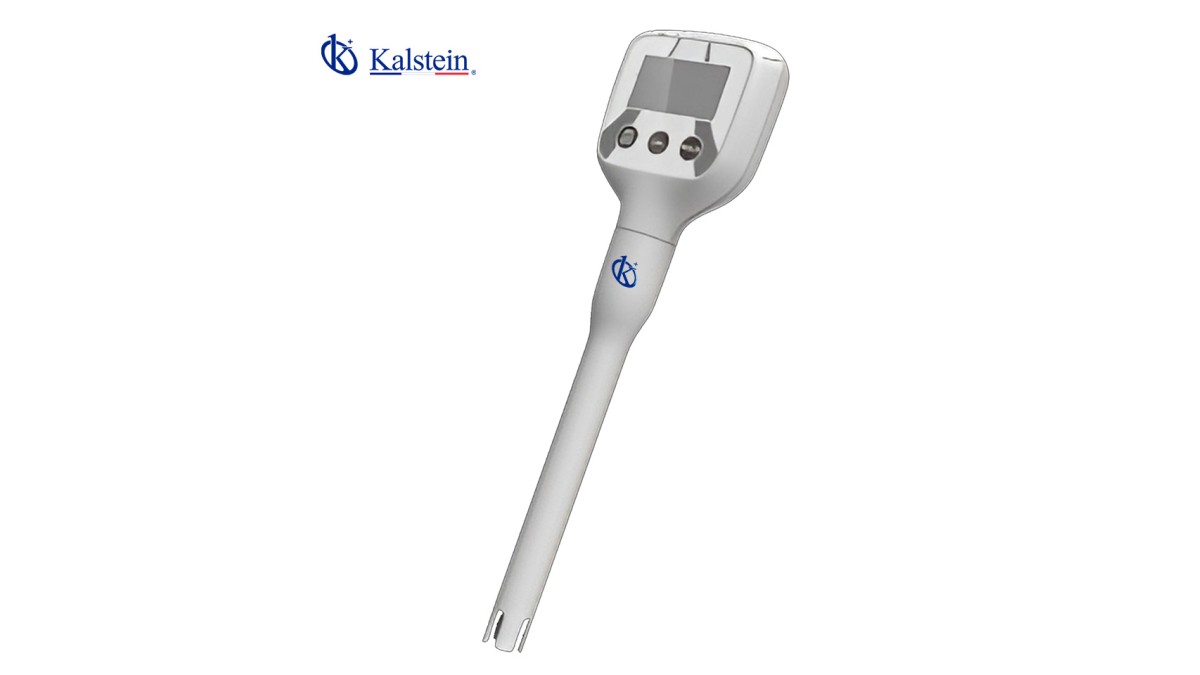
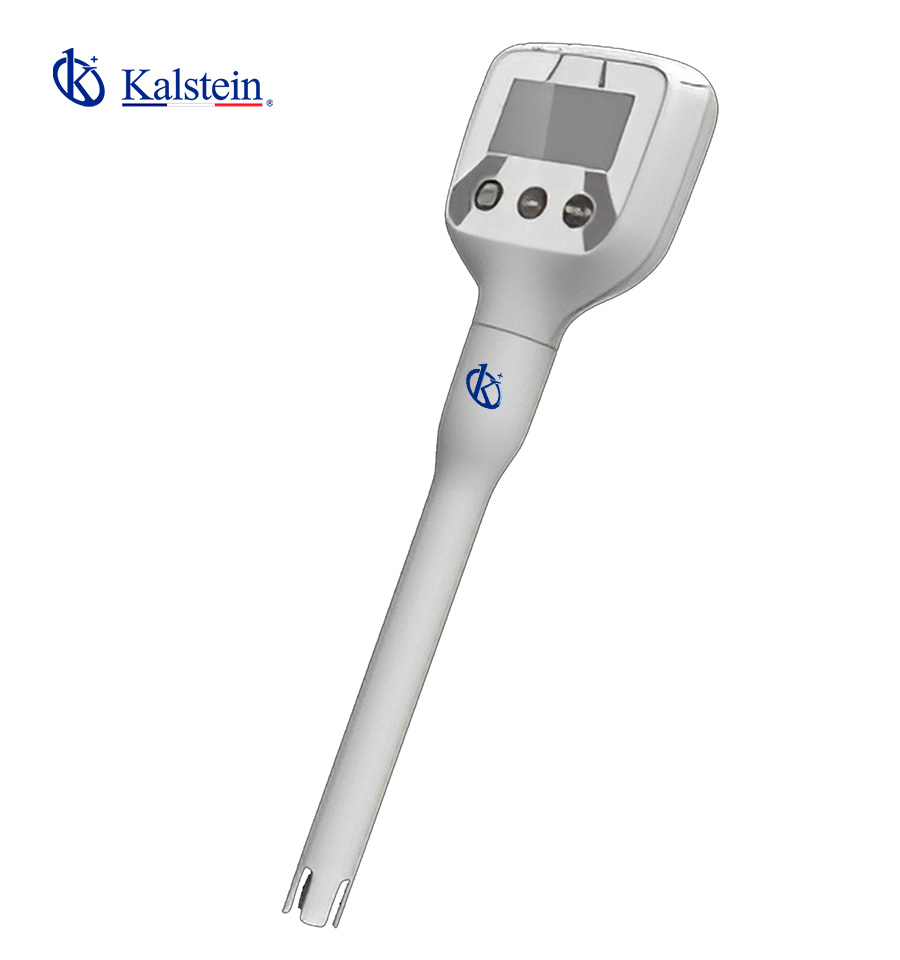
Portable Conductivity Meters: Practical Usage Guide Step by Step 2026
Portable conductivity meters are essential tools in various laboratory settings, enabling professionals to measure the conductivity of liquids with precision. Understanding their usage, applications, and maintenance is crucial for laboratory professionals aiming for optimal performance in 2026. This article delves into the practical aspects of using portable conductivity meters, covering techniques, best practices, and workflows to enhance efficiency in your laboratory operations.
What is it used for in 2026
In 2026, portable conductivity meters are widely used for numerous applications across various industries, including environmental monitoring, water quality testing, and industrial processes. They are particularly valuable in ensuring the quality of water by measuring its conductivity, which is a crucial indicator of the presence of dissolved salts, minerals, and pollutants. These meters help professionals assess the suitability of water for different applications, such as drinking, irrigation, and industrial use. Additionally, they are essential in laboratory settings for verifying the concentration of solutions and ensuring compliance with quality standards.
History and evolution of the technology
The technology behind conductivity measurements has evolved significantly since the early 20th century. Originally, conductivity was measured using bulky laboratory equipment that required professional calibration and operation. Over the decades, advancements in microprocessor technology and sensor design have led to the development of compact, user-friendly portable conductivity meters. Modern devices are equipped with features such as automatic calibration, data storage, and temperature compensation, making them more efficient and accessible for routine testing in diverse environments.
How to use it step by step
Using a portable conductivity meter involves several straightforward steps:
- Preparation: Ensure the device is clean and calibrated. Check the battery status and replace if necessary.
- Calibration: Calibrate the meter according to the manufacturer’s instructions using standard solutions. This step ensures accurate measurements.
- Sample Measurement: Immerse the probe in the liquid sample, ensuring the electrodes are fully submerged but not touching the bottom of the container.
- Reading: Wait for the reading to stabilize, which may take a few seconds. Record the conductivity value displayed on the screen.
- Cleaning: Rinse the probe with distilled water after use to prevent contamination of future samples.
Best techniques and protocols
To achieve the best results when using portable conductivity meters, adhere to the following techniques and protocols:
- Always calibrate the meter before use and at regular intervals during prolonged measurement sessions.
- Utilize fresh calibration standards to ensure accuracy.
- Maintain the cleanliness of the probe to avoid cross-contamination between samples.
- Allow the meter to acclimate to the sample temperature for accurate results.
Practical applications by laboratory type
Portable conductivity meters are employed in various types of laboratories:
- Environmental Laboratories: Used for water quality testing in rivers, lakes, and groundwater assessments to monitor pollution and ecological health.
- Research Laboratories: Essential for preparing solutions in chemical experiments, ensuring proper concentrations for accurate results.
- Industrial Laboratories: Applied in monitoring process water, cooling systems, and effluent discharge to comply with environmental regulations.
Regulations, standards and certifications
In 2026, portable conductivity meters must comply with various regulations and standards to ensure reliability and accuracy. These include:
- ISO 17025: Standards for the competence of testing and calibration laboratories.
- EPA Guidelines: Established criteria for water quality testing in environmental monitoring.
Comparison with alternative technologies
While portable conductivity meters are widely utilized, alternative technologies like laboratory-grade conductivity meters and inline conductivity sensors are also available. Laboratory-grade meters offer higher precision and are suitable for controlled environments, while inline sensors are ideal for continuous monitoring in industrial applications. However, portable meters are favored for their convenience, ease of use, and adaptability in field conditions.
Comparison of available models
| Model | Best for | Key specs | Recommended use case |
|---|---|---|---|
| YR01805 | Field measurements during environmental assessments | Range: (0-10) mS/cm, Accuracy: ±3% FS | Ideal for quick tests at various water sources |
| YR01806 | Research laboratories requiring multi-parameter measurements | pH Range: (-2.00~19.99), Conductivity Range: (0.00~19.99) mS/cm | Best for comprehensive solution analysis |
| YR01808 | General TDS and conductivity testing | Range: 0 to 20.00 mS/cm, 1-3 points calibration | Suitable for educational purposes and basic testing |
| YR01809 | Applications in drinking water quality assessment | Range: (0-20.00) mS/cm, Accuracy: ±1% FS | Effective for ensuring safe drinking water |
| YR01810 | Multi-parameter analysis including TDS and salinity | Conductivity Range: (0-20.00) mS/cm, TDS Range: 0 to 1000 ppm | Ideal for aquaculture and saline water testing |
| YR01811 | Budget-friendly TDS testing | Range: 0.5 to 100.0 ppm, Accuracy: ±1% FS | Good for home water quality testing |
Common mistakes and how to avoid them
Many users make mistakes that can compromise the accuracy of their readings. Here are common pitfalls and tips to avoid them:
- Skipping Calibration: Always calibrate your meter before use to ensure the accuracy of your measurements.
- Improper Probe Cleaning: Rinse the probe with distilled water after each use to avoid cross-contamination.
- Ignoring Temperature Effects: Be aware that conductivity readings can change with temperature; use temperature compensation features if available.
Maintenance, calibration and good practices 2026
To ensure your portable conductivity meter remains in optimal working condition, follow these maintenance practices:
- Regularly check and replace batteries to prevent device failure during use.
- Store the meter in a protective case to avoid physical damage.
- Perform routine calibrations with fresh calibration solutions to maintain measurement accuracy.
Cost-benefit analysis 2026
Investing in portable conductivity meters has numerous benefits including:
- Affordability: Most models provide a great balance of price and functionality, making them accessible for various budgets.
- Time Efficiency: The portability of these meters allows for quick on-site testing, saving time compared to using stationary lab equipment.
- Versatility: Many models can measure different parameters, providing more value for laboratories needing multiple testing capabilities.
Frequently asked questions
What factors should I consider when choosing a portable conductivity meter?
Consider factors such as measurement range, accuracy, calibration capabilities, and additional features like temperature compensation and data logging. Assess your specific needs based on your applications and the required precision.
Can I use a portable conductivity meter for different types of liquids?
Yes, portable conductivity meters can be used for various liquids, including freshwater, seawater, and industrial wastewater. However, be sure to clean the probe thoroughly between different types of samples to prevent contamination.
How often should I calibrate my portable conductivity meter?
Calibration frequency depends on usage. For regular use, calibrate the meter before each testing session. If used sporadically, calibrate before any significant measurement to ensure accuracy.
Is it necessary to use distilled water for rinsing the probe?
Yes, rinsing the probe with distilled water helps prevent contamination and ensures that residual substances from previous samples do not affect your measurements.
What can affect the accuracy of my conductivity readings?
Factors such as temperature changes, probe cleanliness, and calibration standards can significantly impact the accuracy of conductivity readings. Ensure proper maintenance and calibration to achieve reliable results.
How should I store my portable conductivity meter?
Store your conductivity meter in a protective case, away from extreme temperatures and humidity. Ensure that the probe is clean and dry before storage to prolong its lifespan.
If you are looking for a fusion of innovation and quality, you have come to the right place. At Kalstein, we offer you the luxury of exploring our exclusive catalog of laboratory equipment. We manufacture every device to the highest standards of excellence. Our intuitive and seamless online purchasing channels are designed for your convenience, securing the most competitive prices. Hesitate no longer — we bring science to life, it is time to become part of our community.