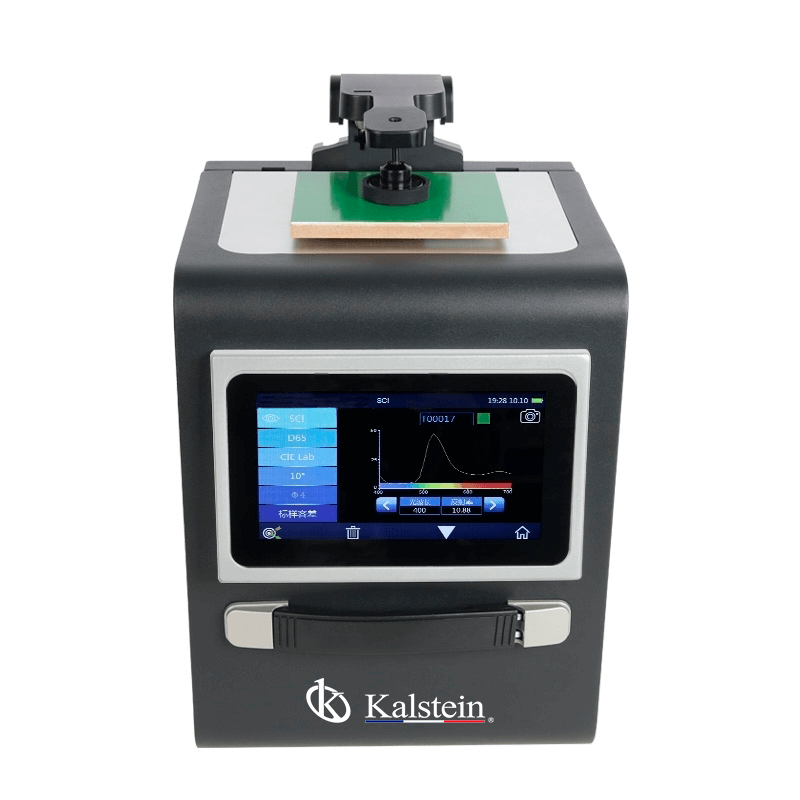
Portable Benchtop Spectrophotometers: Frequent Errors and How to Avoid Them in Daily Operation 2026
Portable benchtop spectrophotometers are essential tools in laboratories for precise color measurement and quality control across various industries. Understanding their applications, usage techniques, and potential pitfalls is vital for laboratory professionals aiming to enhance their operational efficiency. This guide will delve into the various aspects of using these devices effectively.
What is it used for in 2026
In 2026, portable benchtop spectrophotometers are widely used for measuring color in industries such as plastics, paints, textiles, ceramics, and food and beverage. These devices help in ensuring product quality, consistency, and adherence to regulatory standards. With advancements in technology, these spectrophotometers now offer enhanced accuracy, speed, and user-friendliness, making them indispensable in modern laboratories.
History and evolution of the technology
The development of spectrophotometers dates back to the early 20th century when the need for precise color measurement emerged. Over the decades, advancements in optical technologies and sensor designs have revolutionized the field. Early models were limited by their size and accuracy, but modern portable benchtop spectrophotometers, such as models YR05484, YR05485, YR05486, and YR05487, embody significant improvements in performance, portability, and user interface. Today’s models utilize advanced CMOS sensors, ensuring reliable and quick measurements for various laboratory applications.
How to use it step by step
Using a portable benchtop spectrophotometer involves several straightforward steps:
- Calibration: Begin by calibrating the device according to the manufacturer’s instructions to ensure accurate measurements.
- Sample Preparation: Prepare your samples in accordance with the specific requirements for each material type. Ensure they are clean and free from contaminants.
- Measurement Settings: Select the appropriate measurement settings based on the material and desired output specifications.
- Take Measurements: Position the sample correctly in the spectrophotometer and initiate the measurement according to the device's operational guide.
- Data Analysis: After the measurements are complete, analyze the data and compare it against standard values or benchmarks.
- Record Results: Document the findings meticulously for future reference and quality assurance processes.
Best techniques and protocols
Implementing best practices and protocols is crucial for obtaining reliable results from portable benchtop spectrophotometers:
- Regular calibration should be performed before each use or as specified by the manufacturer to maintain accuracy.
- Ensure that the samples are homogenously mixed and representative of the material batch being tested.
- Always use the same lighting conditions when conducting measurements to eliminate variability.
- Cross-check your measurements with a reference standard to verify accuracy.
- Maintain cleanliness of the spectrophotometer's optical components to prevent contamination and interference with readings.
Practical applications by laboratory type
Different laboratories utilize portable benchtop spectrophotometers for various applications:
- Quality Control Laboratories: For evaluating and ensuring the consistency of color in materials such as plastics and paints.
- Chemical Analysis Laboratories: For analyzing the concentration of compounds based on colorimetric methods.
- Food and Beverage Laboratories: For testing the color of products to ensure compliance with industry standards.
- Textile Laboratories: For assessing the color quality of dyes and fabrics before production.
Regulations, standards and certifications
Compliance with industry regulations and standards is critical when utilizing portable benchtop spectrophotometers. Common standards include:
- CIE No.15 for color measurement consistency.
- ISO 7724-1 for color measurement methods in textiles.
- ASTM E1164 for color measurement in paints and coatings.
- GB/T 3978 standards for color fastness testing in China.
Comparison with alternative technologies
While portable benchtop spectrophotometers are widely used, there are alternative technologies such as colorimeters and traditional spectrophotometers. Here’s a brief comparison:
- Colorimeters: Generally simpler and less expensive but may lack the precision of spectrophotometers, making them suitable for simpler applications.
- Traditional Spectrophotometers: Offer high precision and extensive data analysis capabilities but are typically larger and less portable than benchtop models.
Comparison of available models
| Model | Best for | Key specs | Recommended use case |
|---|---|---|---|
| YR05484 | Precise color measurement in various industries | 45/0 geometry, Δ E * ab control within 0.02 | Color analysis in textiles, plastics, and paints |
| YR05485 | Large sample measurements | D/8 geometry, Δ E * ab control within 0.05 | Quality control in large batch manufacturing |
| YR05486 | Flexible measurement options | D/8 geometry, supports UV inclusion/exclusion | Color quality assessment in various materials |
| YR05487 | Adaptability for different measurement orientations | D/8 geometry with customizable aperture | Measurement in dynamic production environments |
Common mistakes and how to avoid them
Common operational mistakes when using portable benchtop spectrophotometers include:
- Inadequate Calibration: Failing to calibrate regularly can lead to inaccurate results. Avoid this by establishing a calibration routine.
- Poor Sample Handling: Contaminating samples can affect measurements. Always use clean tools and containers.
- Ignoring Manufacturer Guidelines: Not following the user manual can lead to errors. Make sure to understand and adhere to the recommended protocols.
- Using Incorrect Settings: Selecting the wrong measurement settings can produce unreliable data. Always confirm settings for each specific measurement.
Maintenance, calibration and good practices 2026
Routine maintenance is essential for the longevity and accuracy of portable benchtop spectrophotometers:
- Conduct periodic calibration as specified by the manufacturer.
- Clean the optical components regularly with appropriate methods to ensure clarity.
- Store devices in protective cases to avoid physical damage.
- Keep software updated to take advantage of the latest features and bug fixes.
Cost-benefit analysis 2026
Investing in a portable benchtop spectrophotometer can yield significant benefits. While the initial purchase cost can be substantial (ranging from approximately $4,018 to $4,950 depending on the model), the return on investment is seen in enhanced quality control, reduced waste, and increased process efficiency. By ensuring consistent product quality, laboratories can minimize the cost of rework and improve customer satisfaction.
Frequently asked questions
What is the primary benefit of using a portable benchtop spectrophotometer?
The primary benefit is the ability to obtain precise color measurements quickly and easily, which aids in quality control and consistency across various industries.
How often should I calibrate my spectrophotometer?
It is recommended to calibrate your spectrophotometer before each use or as often as specified by the manufacturer to ensure the accuracy of measurements.
Can portable benchtop spectrophotometers be used for all materials?
While they can be used for a wide variety of materials, specific settings and accessories may be required for optimal results depending on the material type.
What should I do if my measurements seem inconsistent?
If you are experiencing inconsistent measurements, check the calibration, ensure the samples are prepared correctly, and verify that the device settings match the requirements for the material.
How can I ensure my samples are representative?
To ensure representativity, sample multiple areas of a material batch and mix samples thoroughly before measurement.
What are the indications that my spectrophotometer needs maintenance?
Signs that maintenance may be needed include a decrease in measurement accuracy, physical damage, and software malfunctions. Regular checks and cleaning can mitigate these issues.
If you are looking for a fusion of innovation and quality, you have come to the right place. At Kalstein, we offer you the luxury of exploring our exclusive catalog of laboratory equipment. We manufacture every device to the highest standards of excellence. Our intuitive and seamless online purchasing channels are designed for your convenience, securing the most competitive prices. Hesitate no longer — we bring science to life, it is time to become part of our community.