How to Ensure Portability and Miniaturization in Laboratory Field Equipment
In the ever-evolving landscape of laboratory technology, the trend towards portability and miniaturization is becoming increasingly pronounced. This is particularly evident in the development of field laboratory equipment designed to deliver performance without the constraints of stationary setups. Understanding these trends is vital for laboratory professionals who need efficient, reliable solutions that can function in various environments. This article explores miniaturization and portability in laboratory equipment, focusing on various models that exemplify these features.
Importance of Portability and Miniaturization in Laboratories
Portability and miniaturization are critical for laboratories operating in field settings, as they enhance flexibility and adaptability while maintaining precision and accuracy. Smaller equipment can be easily transported, reducing logistical challenges and enabling data collection in remote locations. Moreover, miniaturized devices often consume less power and resources, aligning with sustainability goals while ensuring that labs can operate efficiently in diverse environments.
Comparison of Available Models
| Model | Specifications | Best Suited For |
|---|---|---|
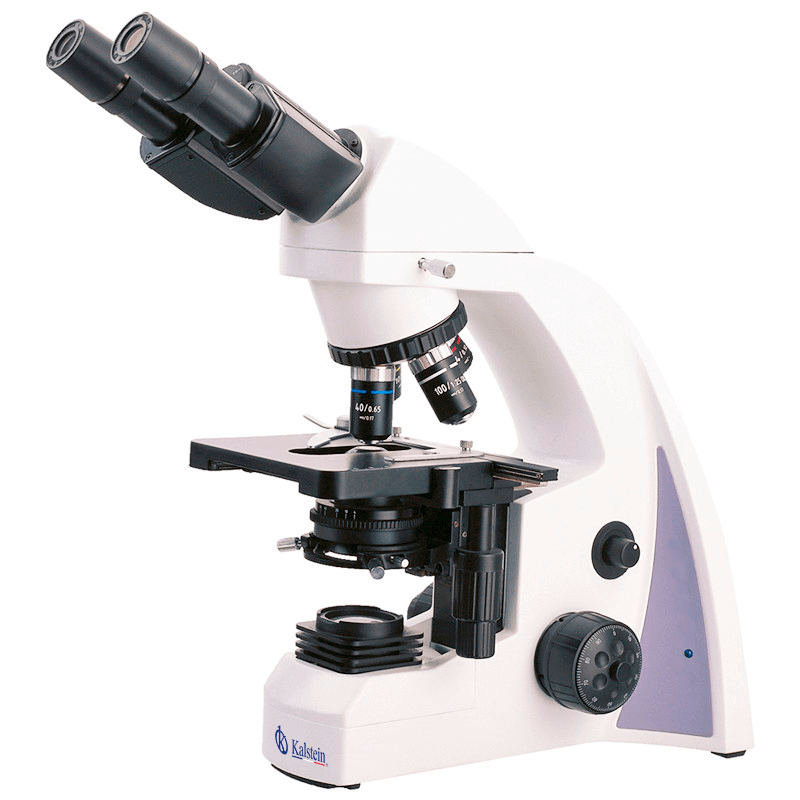
| YR0237-0-1 | Binocular head, wide field eyepieces WF 10x/18 mm, infinity-corrected objectives, adjustable condenser, dual focus knobs | Field microscopy and educational purposes |
| YR0237-1 | Similar to YR0237-0-1 with additional trinocular head capability | Advanced microscopy with digital imaging potential |
| YR0237-1-1 | Enhanced focus controls and adjustable condenser | Precision imaging in field studies |
| YR03731-1 | Fixed volume air displacement pipette, sterilizable, ergonomic design | Accurate fluid handling in field applications |
| YR03731-2 | 20 μl fixed volume, low operational force | Quick and precise liquid transfers |
| YR03731-3 | 25 μl fixed volume, designed for robust field use | Fluid handling in harsh environments |
Field Deployment Considerations
When selecting portable laboratory equipment, numerous field deployment considerations must be addressed. These include the equipment's weight, battery life, and resistance to environmental factors such as temperature and humidity. For example, the Fluid Handling Pipettes YR03731-1 are designed for minimal operational force, making them suitable for extended use during fieldwork without causing fatigue.
Ruggedization Standards in Portable Equipment
Ruggedization refers to the design modifications that equip laboratory devices to withstand extreme conditions. For instance, equipment might be built to comply with IP ratings for water and dust resistance. Understanding these standards is crucial for laboratory professionals working in challenging environments, ensuring that the equipment remains functional when exposed to harsh conditions.
Battery Autonomy and Power Efficiency
Battery autonomy is particularly important for portable laboratory equipment operating in the field. Devices like the Laboratory Microscope YR0237-1 can include energy-efficient features that prolong battery life, allowing for uninterrupted operation during field missions. Evaluating the power consumption of equipment helps ensure tasks can be completed without the need for frequent recharging.
Common Mistakes and How to Avoid Them
When choosing portable laboratory equipment, common mistakes include underestimating the importance of ergonomics and overemphasizing compactness. Moreover, oversights regarding required functionalities can also lead to inefficiencies. To avoid these pitfalls, conduct thorough research and consider user feedback on models such as the Fluid Handling Pipettes YR03731-3, which prioritize both ergonomics and performance.
Frequently Asked Questions
What are the key specifications of the Laboratory Microscope YR0237-0-1?
The Laboratory Microscope YR0237-0-1 features a binocular head, wide field eyepieces WF 10x/18 mm, and infinity-corrected objectives. This model, suitable for field microscopy, is designed to provide a reliable performance in various laboratory settings.
How does the Fluid Handling Pipettes YR03731-1 enhance fluid handling accuracy?
The Fluid Handling Pipettes YR03731-1 are designed for fixed volume transfers with an accuracy of ±1.0%. This model's ergonomic design and low operational force allow for precision fluid handling in diverse laboratory settings, including field applications.
Which model is best for advanced microscopy in field studies?
The Laboratory Microscope YR0237-1 is ideal for advanced microscopy in field studies due to its trinocular head, allowing for easy integration of digital imaging solutions. Its robust design ensures reliability in various environments.
What ruggedization standards should be considered for field equipment?
Ruggedization standards such as IP ratings should be considered when selecting field equipment. These ratings indicate protection levels against dust and water, ensuring that models like the Laboratory Microscope YR0237-1 perform well under challenging conditions.
How does battery autonomy impact field laboratory operations?
Battery autonomy is crucial in field laboratory operations as it determines how long equipment can function without recharging. Models like the Laboratory Microscope YR0237-1 emphasize energy efficiency, allowing for extended use during field studies.
What common mistakes should be avoided when selecting portable lab equipment?
Common mistakes include prioritizing size over functionality and not considering ergonomics. To avoid these, it's important to evaluate models like the Fluid Handling Pipettes YR03731-1, which combine portability with essential features for effective lab operations.
How can miniaturization contribute to laboratory efficiency?
Miniaturization contributes to laboratory efficiency by reducing the space required for equipment and enhancing portability. This enables labs to operate in various environments and improves workflow, as seen with models like the Laboratory Microscope YR0237-0-1.
Which Fluid Handling Pipette model is most suitable for harsh environments?
The Fluid Handling Pipettes YR03731-3 is designed specifically for robust field use in harsh environments, ensuring reliability and performance efficiency. Its ergonomic features also enhance user comfort during extended operations.
If you are looking for a fusion of innovation and quality, you have come to the right place. At Kalstein, we offer you the luxury of exploring our exclusive catalog of laboratory equipment. We manufacture every device to the highest standards of excellence. Our intuitive and seamless online purchasing channels are designed for your convenience, securing the most competitive prices. Hesitate no longer — we bring science to life, it is time to become part of our community.