How to Ensure Portability and Miniaturization in Laboratory Equipment for Field Use?
In the realm of laboratory work, particularly in field applications, the trend towards miniaturization and portability of equipment is becoming increasingly critical. Laboratory professionals require instruments that not only fulfill their technical requirements but also adapt to diverse environments outside traditional lab settings. This article will delve into how specific models embody these principles, emphasizing their operational efficiencies, ease of transport, and functionality.
Understanding the Need for Miniaturization and Portability
Miniaturization in laboratory equipment, especially for field use, provides multiple advantages. Equipment that is compact and lightweight ensures that professionals can transport necessary tools easily, enabling efficient workflows in diverse and often challenging environments. Additionally, portable devices often come with battery-operated functionalities, allowing for use in remote locations without access to power sources.
Advantages of Portable Laboratory Equipment
Portable laboratory equipment offers several benefits that enhance the quality of field work. Firstly, reduced weight and size make it easier for laboratory personnel to carry equipment, reducing fatigue and improving productivity. Furthermore, with advancements in technology, portable devices often come equipped with sophisticated features that maintain performance standards. Notably, these devices can still achieve high precision and reliability comparable to their larger counterparts.
Key Considerations for Selecting Portable Laboratory Equipment
When selecting portable laboratory equipment, key factors such as durability, battery life, weight, and user-friendliness should be considered. It's essential to evaluate the environmental conditions where the equipment will be used, as ruggedization standards (e.g., IP ratings) may be important. Additionally, assessing compatibility with existing laboratory protocols and the specific needs of field operations will ensure optimal functionality.
Comparison of Available Models
| Model | Weight (kg) | Dimensions (mm) | Price (USD) | Best for |
|---|---|---|---|---|
| YR0237-0-1 | 3.5 | 300 x 200 x 150 | 437.00 | General field microscopy |
| YR0237-1 | 3.6 | 300 x 205 x 155 | 491.00 | Advanced biological studies |
| YR0237-1-1 | 3.7 | 305 x 210 x 160 | 448.10 | Educational demonstrations |
| YR03731-1 | 0.06 | 120 x 20 x 20 | 13.00 | Precision liquid handling |
| YR03731-2 | 0.06 | 120 x 20 x 20 | 13.00 | Precision liquid handling |
| YR03731-3 | 0.06 | 120 x 20 x 20 | 13.00 | Precision liquid handling |
Common Mistakes and How to Avoid Them
One common mistake in selecting portable laboratory equipment is overlooking the significance of weight and dimensions. While a device may appear portable, if its weight exceeds manageable limits, it may not serve its intended purpose effectively. Additionally, failing to check for battery life and ruggedization features can result in operational failures in the field. Always verify specifications and gather user feedback to avoid these pitfalls.
Trends in Miniaturization and Portability of Laboratory Equipment
Recent advancements in technology have driven a surge in miniaturization, allowing for the development of compact devices that do not compromise on functionality. Innovations include the integration of smart technology, which allows for real-time data transmission and analysis. This trend not only enhances the efficiency of field operations but also broadens the scope of potential applications, from environmental monitoring to emergency medical services.
Field Deployment Considerations
Deploying laboratory equipment in the field requires careful planning. Consideration of factors such as environmental conditions, accessibility, and operational needs is essential. For instance, devices with IP ratings can withstand dust and moisture, making them suitable for harsh environments. Furthermore, ensuring that equipment can be easily set up and operated with minimal training is crucial for effective field deployment.
Future Directions in Portable Laboratory Technology
The future of portable laboratory technology is oriented towards further miniaturization and enhanced connectivity. Innovations such as wireless communication and cloud-based data management are paving the way for more integrated laboratory solutions. As the demand for fieldwork increases, manufacturers will continue to focus on developing devices that merge portability with advanced functionality to meet the needs of laboratory professionals.
Frequently Asked Questions
What are the best portable pipettes for field research applications?
For field research applications, models like the YR03731-1 and YR03731-2 pipettes are ideal due to their lightweight design and precision. These fixed-volume pipettes offer an accurate range of 10 μl, making them suitable for various tasks in environmental and biological studies.
How do I choose a portable laboratory microscope for outdoor use?
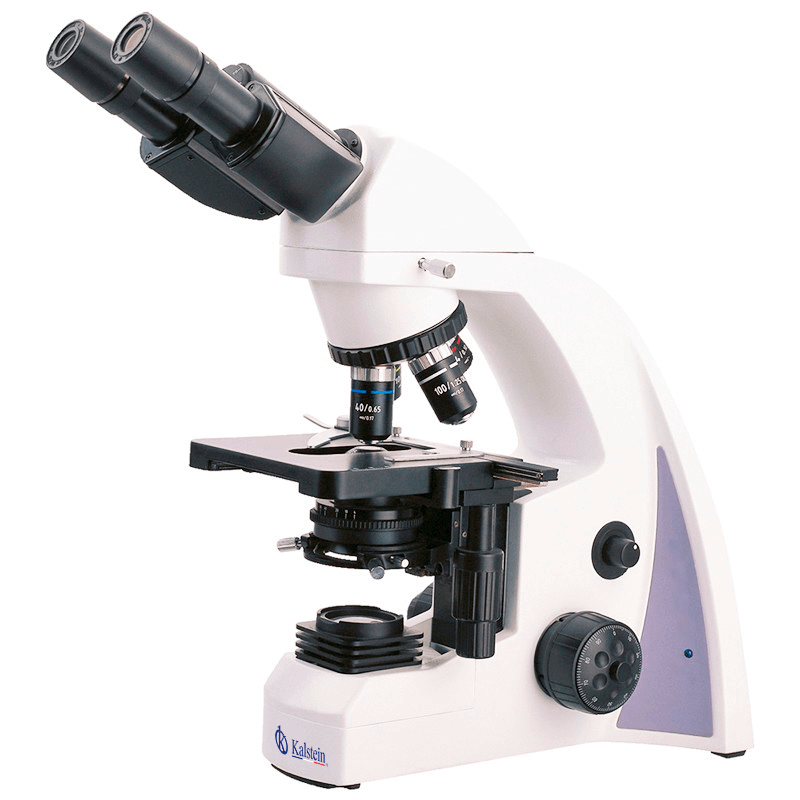
When choosing a portable laboratory microscope, consider models like the YR0237-0-1. This model combines lightweight construction with robust performance, making it suitable for outdoor use. Ensure it has features such as an adjustable condenser and wide-field eyepieces for optimal viewing conditions.
What factors influence the miniaturization of laboratory equipment?
Factors influencing miniaturization include advancements in materials science, integration of smart technology, and the increasing demand for mobile solutions. Equipment like the YR0237-1 is an example of how these advancements allow for compact designs without compromising performance.
What is the standard battery life for portable laboratory instruments?
Battery life for portable laboratory instruments varies by model and use case. For example, devices such as the YR03731 series pipettes are designed for low power consumption, providing sufficient battery life for extended use in the field. Always check specifications for expected operational hours.
How can I ensure the durability of portable laboratory equipment?
To ensure durability, look for equipment that meets ruggedization standards, such as IP ratings for dust and water resistance. Models like the YR0237-1-1 are designed with robust materials to withstand field conditions, enhancing longevity and reliability.
Which portable microscopes are best for educational purposes in the field?
For educational purposes in the field, the YR0237-1-1 microscope is highly recommended due to its ergonomic design and ease of use. It is well-suited for demonstrations and hands-on learning experiences, allowing students to engage effectively with scientific concepts.
How to maintain portable laboratory equipment for optimal performance?
Regular maintenance is crucial for optimal performance of portable laboratory equipment. Cleaning and calibration should be performed according to the manufacturer's guidelines. For example, the YR03731 series pipettes should be routinely checked for accuracy to maintain precision in liquid handling tasks.
What are the capabilities of modern portable laboratory technology?
Modern portable laboratory technology, like the YR0237 series microscopes and YR03731 pipettes, offers capabilities such as high-resolution imaging and accurate liquid handling. These devices are designed for versatility, enabling a wide range of applications from biology to environmental monitoring.
If you are looking for a fusion of innovation and quality, you have come to the right place. At Kalstein, we offer you the luxury of exploring our exclusive catalog of laboratory equipment. We manufacture every device to the highest standards of excellence. Our intuitive and seamless online purchasing channels are designed for your convenience, securing the most competitive prices. Hesitate no longer — we bring science to life, it is time to become part of our community.