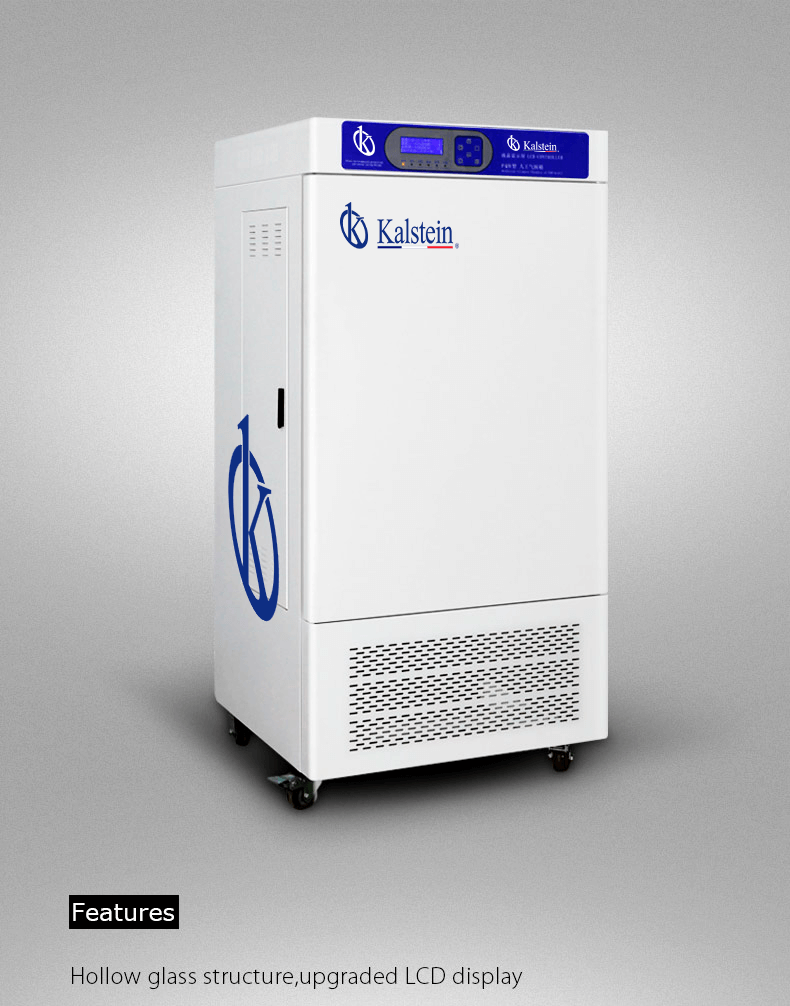
Plant Growth Chambers: Common Mistakes and How to Avoid Them in Daily Operation 2026
What is it used for in 2026
In 2026, plant growth chambers serve an essential role in scientific research and agricultural development. These chambers are designed to create a controlled environment conducive to plant growth, allowing for the manipulation of temperature, humidity, light, and atmospheric conditions. They are crucial for experiments related to plant physiology, genetics, breeding, and more. Labs use these chambers to simulate various climates, study plant responses to environmental changes, and conduct experiments involving seed germination and plant propagation.
History and evolution of the technology
Plant growth chambers have evolved significantly since their inception. Initially, they were simple boxes with minimal environmental controls. Over the decades, advancements in materials, sensors, and automation technology have allowed for more precise control over growth conditions. Modern growth chambers, like the models from the YR series, feature advanced cooling systems, automatic defrosting, and intelligent control systems, enhancing their usability and reliability for researchers.
How to use it step by step
Using a plant growth chamber effectively involves several key steps:
- Familiarize with the equipment: Understand the features of your specific model, including the control panel and settings.
- Prepare your samples: Ensure that your plant samples are ready for testing, which may involve soaking seeds or transplanting seedlings.
- Set the desired conditions: Input the required temperature, light intensity, and humidity levels into the control system.
- Calibrate the equipment: Before starting your experiment, ensure all settings are calibrated correctly to avoid any discrepancies during the test.
- Monitor the environment: Continuously check the chamber conditions throughout the experiment to ensure they remain stable.
- Document findings: Record any observations in real-time for later analysis.
Best techniques and protocols
To maximize the effectiveness of plant growth chambers, follow these best practices:
- Use appropriate lighting tailored to the specific growth stage of the plants.
- Regularly calibrate sensors and instruments to maintain accuracy.
- Implement a systematic method for monitoring environmental conditions.
- Utilize a randomized block design for experiments to reduce bias.
- Ensure proper ventilation to avoid the buildup of excessive humidity or heat.
Practical applications by laboratory type
Different laboratories utilize plant growth chambers for varied purposes, including:
- Research Laboratories: Study gene expression and plant responses to different stressors.
- Agricultural Laboratories: Test new plant varieties and optimize growth conditions for yield improvement.
- Biotechnology Firms: Conduct experiments for genetically modified organisms (GMOs) and tissue culture.
Regulations, standards and certifications
When using plant growth chambers, laboratories must comply with various regulations and certifications. This includes adhering to local environmental laws regarding energy efficiency and emissions, as well as maintaining standards set by organizations such as the International Organization for Standardization (ISO) and the American National Standards Institute (ANSI). Compliance ensures that the equipment operates safely and effectively, contributing to accurate research outcomes.
Comparison with alternative technologies
While plant growth chambers are invaluable, there are alternative technologies worth considering, such as:
- Greenhouses: Provide natural sunlight and are suitable for large-scale applications but lack precise environmental controls.
- Growth Tents: Offer portability and are ideal for small-scale experiments but may not provide uniform conditions.
Comparison of available models
| Model | Best for | Key specs | Recommended use case |
|---|---|---|---|
| YR05331 | Seed germination and small plant growth | Temperature range: 10~50°C, Lighting: 0~10000 LX | Ideal for initial seedling stages and small experiments. |
| YR05332 | Medium scale plant research | Temperature range: 10~50°C, Lighting: 0~15000 LX | Best for breeding experiments and larger plant samples. |
| YR05333 | Large botanical studies | Temperature range: 10~50°C, Lighting: 0~15000 LX | Suitable for extensive agricultural studies and advanced research. |
Common mistakes and how to avoid them
Many users encounter challenges when operating plant growth chambers. Here are common mistakes and how to avoid them:
- Improper temperature settings: Always double-check the temperature range specific to your plant type.
- Poor light management: Adjust light intensity based on the growth stage of your plants.
- Neglecting calibration: Regular calibration of sensors will ensure accuracy and reliability in experiments.
Maintenance, calibration and good practices 2026
To ensure longevity and optimal performance of plant growth chambers, follow these maintenance guidelines:
- Regularly clean the interior surfaces to prevent contamination.
- Inspect and replace worn-out parts promptly.
- Perform monthly calibration checks on temperature and humidity controls.
Cost-benefit analysis 2026
The cost of acquiring and operating a plant growth chamber can be substantial, but the benefits often outweigh these costs. Investing in high-quality equipment leads to better research outcomes, improved plant health, and ultimately, higher profitability. When conducting a cost-benefit analysis, consider factors such as:
- Initial purchase price and ongoing operational costs
- Potential increases in yield from optimized environmental conditions
- Time savings associated with automated features
Frequently asked questions
What factors should I consider when choosing a plant growth chamber?
When selecting a plant growth chamber, consider the size of your plants, the specific environmental conditions required, and the intended research purpose to ensure the chamber meets your needs.
How often should I calibrate my plant growth chamber?
It is recommended to calibrate your plant growth chamber at least once a month or after any major change in usage to maintain accuracy.
Can I use multiple models for different plant species?
Yes, using different models can help cater to the specific environmental needs of various plant species, enhancing your research outcomes.
What maintenance is required for plant growth chambers?
Regular cleaning, monitoring of temperature and humidity levels, and timely replacement of any worn-out components are essential for maintaining your chamber.
How do I ensure the light conditions are optimal for my plants?
Adjust the light intensity according to the specific growth stage of your plants and monitor their response to ensure conditions are suitable.
What are the key advantages of using a plant growth chamber?
Plant growth chambers provide precise control over environmental conditions, allowing for consistent experimental outcomes and enabling researchers to study plant response to a variety of stimuli.
If you are looking for a fusion of innovation and quality, you have come to the right place. At Kalstein, we offer you the luxury of exploring our exclusive catalog of laboratory equipment. We manufacture every device to the highest standards of excellence. Our intuitive and seamless online purchasing channels are designed for your convenience, securing the most competitive prices. Hesitate no longer — we bring science to life, it is time to become part of our community.