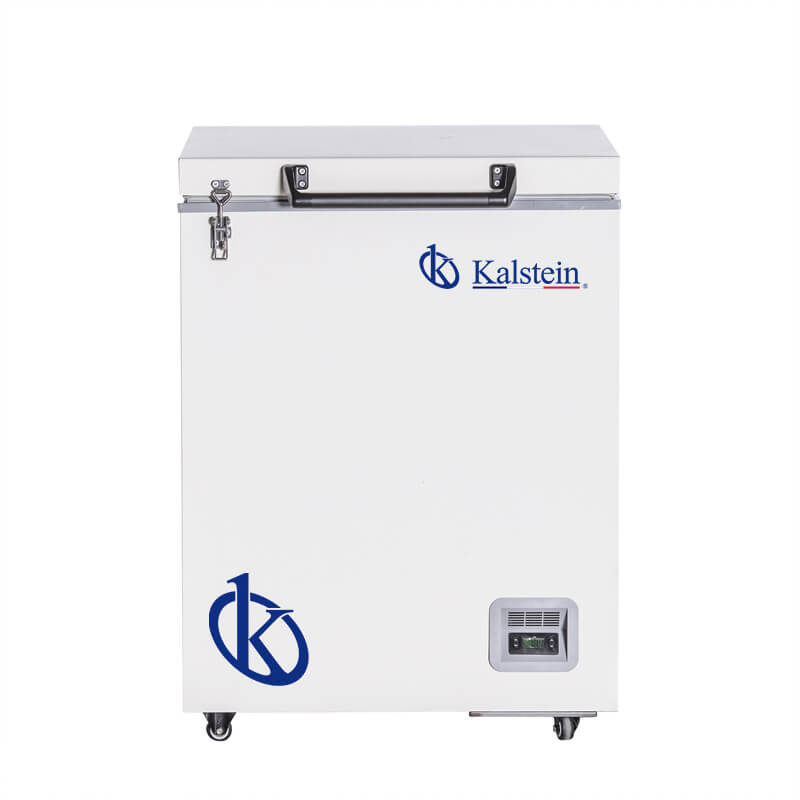
Optimizing ROI and Cost-Benefit Analysis for Laboratory Chest Freezers
In the laboratory environment, the choice of equipment, particularly for storage and preservation, can significantly affect operational efficiency and budget management. Chest freezers play a crucial role in securing samples and maintaining laboratory integrity, making it imperative for laboratory managers and technicians to conduct thorough ROI and cost-benefit analyses before purchasing. This article will delve into several models of chest freezers, comparing them based on their features, energy consumption, and overall value proposition to facilitate informed decision-making.
Understanding the Importance of ROI and Cost-Benefit Analysis
Return on Investment (ROI) is a performance measure used to evaluate the efficiency of an investment. In laboratory settings, it often pertains to the cost-effectiveness of equipment and its ability to generate savings or revenue over time. A cost-benefit analysis complements this by assessing the expected benefits of a purchase against its costs, providing a clear picture of financial viability. For chest freezers, understanding these metrics is essential for optimizing laboratory operations and ensuring long-term sustainability.
Key Factors Influencing ROI for Chest Freezers
When evaluating ROI for chest freezers, several factors come into play:
- Initial Cost: The purchase price of the unit.
- Energy Efficiency: Long-term operational costs related to energy consumption.
- Capacity and Size: The ability to store a larger number of samples can lead to cost savings.
- Maintenance Costs: Ensuring minimal downtime and repairs contributes to ROI.
Comparative Analysis of Chest Freezer Models
Model Comparison Table
| Model | Initial Cost (USD) | Energy Consumption (kWh/24h) | Best for |
|---|---|---|---|
| YR05102 | 450.00 | 1.65 | General laboratory use |
| YR05103 | 885.00 | 1.68 | Standard research applications |
| YR05104 | 1100.00 | 3.45 | High-capacity storage needs |
| YR05314 | 3150.00 | 11.5 | Ultra-low temperature requirements |
| YR05313 | 1825.00 | 3.8 | Laboratories requiring secure storage |
| YR05315 | 1150.00 | 3.2 | Biomedical applications |
Breaking Down the Cost-Benefit Analysis
To effectively measure the cost-benefit ratio, it is important to categorize costs into CAPEX and OPEX. CAPEX refers to capital expenditures for purchasing equipment, while OPEX includes operational expenditures such as energy costs, maintenance, and consumables. For example, the YR05102 model, with a purchase price of $450 and low energy consumption of 1.65 kWh/24h, presents a favorable ROI for smaller labs with moderate storage needs.
Energy Efficiency: A Major Consideration
Energy efficiency not only reduces operational costs but is also a contribution to sustainability practices. The YR05314 model is a prime example of a high-energy consuming unit at 11.5 kWh/24h but is designed for ultra-low temperature storage, which may justify its higher price depending on the specific laboratory requirements. Conducting an energy audit can help quantify savings and reinforce the case for energy-efficient models.
Common Mistakes and How to Avoid Them
Laboratories often fall into traps when evaluating freezer options. Common mistakes include:
- Overlooking energy consumption in cost calculations.
- Focusing solely on initial costs without considering long-term savings.
- Neglecting to compare models based on specific laboratory needs.
To avoid these pitfalls, engage a systematic approach in your evaluation, utilizing tools such as spreadsheets for comparative analysis and seeking insights from peers in laboratory management.
Frequently Asked Questions
How can I determine the best chest freezer model for my laboratory's needs?
Evaluating your laboratory's specific storage requirements, energy consumption, and budget constraints will help in determining the best model. For instance, the YR05103 model priced at $885 offers a balance of capacity and energy efficiency, making it suitable for varied laboratory applications.
What is the average energy consumption for chest freezers used in laboratories?
Energy consumption varies significantly between models. For example, the YR05102 consumes about 1.65 kWh/24h, which is relatively low compared to the YR05314, which uses 11.5 kWh/24h due to its ultra-low-temperature capabilities intended for specialized applications.
Which chest freezer model offers the best ROI for small laboratories?
The YR05102 model, with a modest initial cost of $450 and efficient energy consumption, represents an excellent ROI for small laboratories focusing on cost management while still meeting basic storage needs.
What factors should I consider when evaluating the cost-effectiveness of a chest freezer?
Consider the initial purchase cost, energy consumption rates, maintenance expenses, and how long you expect to utilize the unit. Models like the YR05103 provide a competitive edge in terms of longevity and efficiency for ongoing laboratory operations.
How do energy costs impact the overall ROI of laboratory chest freezers?
Higher energy costs can erode ROI. For example, the YR05314's high energy consumption of 11.5 kWh/24h may necessitate a careful evaluation of its long-term operational costs against its initial investment to ensure favorable returns.
Are there specific certifications for chest freezers that ensure quality and performance?
Yes, look for certifications such as ISO and other regulatory compliance marks. Models like the YR05315, designed for biomedical applications, often adhere to stricter performance standards due to the critical nature of their use.
How can I measure the ROI of a chest freezer over its lifespan?
Calculate ROI by comparing total expected benefits, including longevity and operational efficiency, against the purchase price and ongoing costs. Using the YR05104, which has a higher initial cost but provides extensive storage capabilities, can yield a higher ROI if utilized adequately.
What strategies can I use to maximize the lifespan of a chest freezer?
Regular maintenance, monitoring energy consumption, and ensuring optimal usage conditions can increase the lifespan of your freezer. Choosing dependable models like the YR05313 can also help minimize maintenance costs and ensure reliability.
If you are looking for a fusion of innovation and quality, you have come to the right place. At Kalstein, we offer you the luxury of exploring our exclusive catalog of laboratory equipment. We manufacture every device to the highest standards of excellence. Our intuitive and seamless online purchasing channels are designed for your convenience, securing the most competitive prices. Hesitate no longer — we bring science to life, it is time to become part of our community.