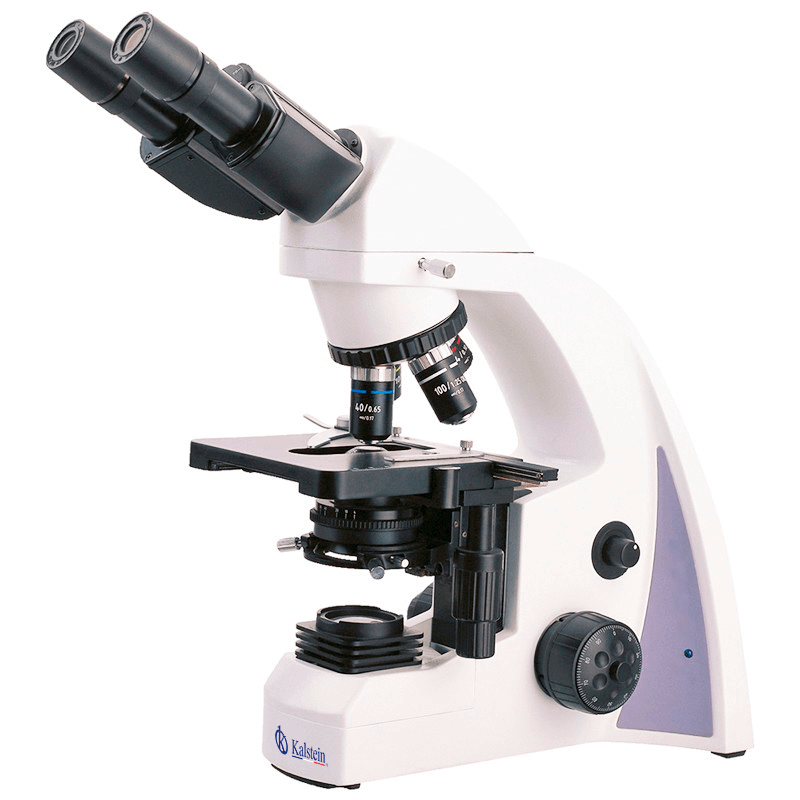
Optimizing Productivity and Reducing Analysis Times in Laboratory Microscopes
In laboratory settings, the efficiency of analysis can significantly impact the overall productivity of operations. Laboratory microscopes play a crucial role in various research and clinical applications, where speed and accuracy are paramount. This article delves into strategies to enhance productivity and minimize analysis times using advanced laboratory microscopes.
Understanding the Importance of Productivity in Laboratory Microscopy
Productivity in laboratory microscopy directly correlates with the ability to perform timely and precise analyses. Efficient use of microscopes can lead to higher throughput, less reagent waste, and improved workflow, all of which are essential in modern laboratories. By optimizing the capabilities of microscopes, professionals can achieve significant time savings and enhance the quality of results.
Key Features to Consider for Productivity Enhancement
When selecting microscopes like the Laboratory Microscope YR0237-0-1 or YR0237-1, it is crucial to consider features that contribute to productivity. These include:
- Optical Quality: High-resolution optics reduces the need for repeated observations.
- Ergonomics: Adjustable heads and easy-to-use controls minimize operator fatigue.
- Automation: Features like motorized stages can increase sample throughput.
- Illumination: LED lighting options provide bright and clear visualization while conserving energy.
Comparative Analysis of Laboratory Microscopes
Understanding how different models compare is essential for making informed decisions. Below is a comparison of key models available in the market, focusing on their productivity features.
| Model | Optical Quality | Ergonomics | Automation | Price (USD) |
|---|---|---|---|---|
| YR0237-0-1 | High-resolution optics | Adjustable head | No automation | 437.00 |
| YR0237-1 | High-resolution optics | Ergonomic design | Basic automation | 491.00 |
| YR0237-1-1 | High-resolution optics | Adjustable head | No automation | 448.10 |
Common Mistakes and How to Avoid Them
Laboratory professionals often encounter pitfalls that can reduce productivity. Common mistakes include:
- Overlooking Ergonomics: Choosing microscopes without considering user comfort can lead to fatigue and decreased efficiency.
- Neglecting Maintenance: Failing to maintain equipment can result in frequent downtimes.
- Inadequate Training: Insufficient training on the use of advanced features can limit productivity gains.
Strategies for Reducing Analysis Times
Several strategies can be implemented to streamline analysis times in laboratory microscopy:
- Batch Processing: Grouping similar samples can expedite the analysis process.
- Pre-set Parameters: Using pre-set microscope settings for common tasks can save time during setup.
- Utilizing Automation: Incorporating automated stages can minimize manual handling and speed up analysis.
Integration of Laboratory Information Management Systems (LIMS)
Integrating laboratory microscopes with LIMS can further enhance productivity by streamlining data management and sample tracking. This integration facilitates:
- Data Entry Automation: Reducing the time spent on manual data entry.
- Real-time Monitoring: Allowing for instant access to analysis results and trends.
- Improved Compliance: Ensuring adherence to regulatory standards through automated reporting.
Comparison of Available Models
| Model | Optical Quality | Ergonomics | Automation | Price (USD) |
|---|---|---|---|---|
| YR0237-0-1 | High-resolution optics | Adjustable head | No automation | 437.00 |
| YR0237-1 | High-resolution optics | Ergonomic design | Basic automation | 491.00 |
| YR0237-1-1 | High-resolution optics | Adjustable head | No automation | 448.10 |
| YR03731-1 | Precision pipetting | Ergonomic design | N/A | 13.00 |
| YR03731-2 | Precision pipetting | Ergonomic design | N/A | 13.00 |
| YR03731-3 | Precision pipetting | Ergonomic design | N/A | 13.00 |
Frequently Asked Questions
How can I optimize my laboratory microscope for better productivity?
Optimizing your laboratory microscope, such as the YR0237-1, can involve using ergonomic designs, ensuring high optical quality, and integrating automation features. These enhancements can lead to reduced analysis times and higher throughput in your laboratory.
What are the best practices for reducing analysis times in microscopy?
Best practices for reducing analysis times include batching samples, using pre-set parameters for common tasks, and incorporating automation in microscopes like the YR0237-0-1. These strategies can significantly enhance the efficiency of laboratory processes.
Which laboratory microscope features are essential for time management?
Essential features for time management in laboratory microscopes include high-resolution optics, ergonomically designed components, and automation capabilities. The Laboratory Microscope YR0237-1 exemplifies these features, enhancing user experience and productivity.
How does LIMS integration improve laboratory productivity?
LIMS integration improves laboratory productivity by automating data entry, enabling real-time monitoring of results, and ensuring compliance with regulatory standards. This can be facilitated by microscopes that support data connectivity and automation.
What role does training play in laboratory microscope efficiency?
Training is crucial for maximizing the efficiency of laboratory microscopes. Proper training ensures that users can effectively utilize advanced features, such as those found in the YR0237-1, thereby reducing analysis times and improving overall productivity.
What common mistakes should I avoid when using laboratory microscopes?
Common mistakes include neglecting ergonomics, failing to maintain equipment regularly, and not providing adequate training for users. Addressing these issues can significantly enhance the productivity of laboratory microscopy.
How can ergonomic microscope designs enhance user productivity?
Ergonomic microscope designs, like those in the YR0237 series, minimize user fatigue and discomfort, allowing laboratory professionals to work more efficiently. This directly contributes to reduced analysis times and increased throughput.
What is the impact of automation on microscopy analysis times?
Automation in microscopy, such as motorized stages in advanced models, can drastically cut down analysis times by reducing manual handling and enabling quicker sample processing. This leads to improved lab productivity.
If you are looking for a fusion of innovation and quality, you have come to the right place. At Kalstein, we offer you the luxury of exploring our exclusive catalog of laboratory equipment. We manufacture every device to the highest standards of excellence. Our intuitive and seamless online purchasing channels are designed for your convenience, securing the most competitive prices. Hesitate no longer — we bring science to life, it is time to become part of our community.