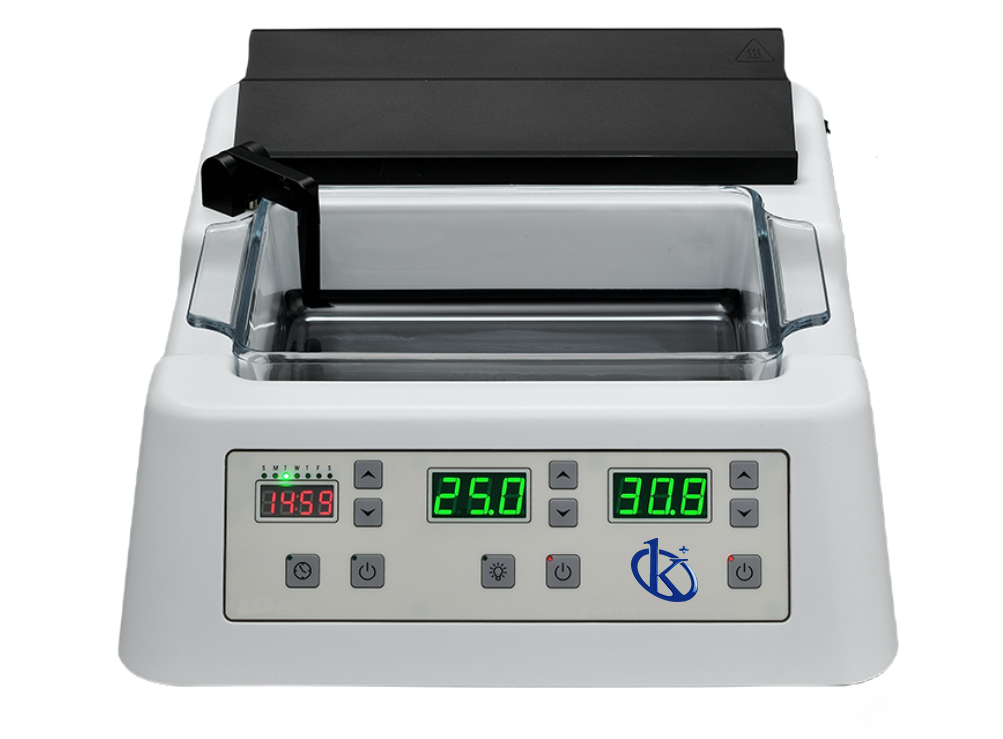
Optimizing Data Workflow in Tissue Flotation: Integrating with LIMS
Tissue flotation plays a crucial role in pathological anatomy, facilitating the preparation of tissue samples for further examination. With the growing emphasis on data digitalization and seamless integration across laboratory systems, adopting Laboratory Information Management Systems (LIMS) has become imperative. This article delves into the integration of tissue flotation workstations with LIMS, emphasizing how such synergy enhances workflow efficiency, data accuracy, and overall productivity in laboratories.
Understanding Tissue Flotation and Its Importance
Tissue flotation involves the careful handling and preparation of tissue specimens, typically using water baths to maintain optimal conditions. The primary purpose is to preserve the morphology of the samples, ensuring accurate diagnostics. As laboratories increasingly transition towards digital solutions, the necessity for robust data management systems becomes evident, making LIMS integration essential.
Advantages of LIMS Integration in Tissue Flotation
Integrating LIMS with tissue flotation workstations streamlines the data workflow, allowing real-time monitoring and data management. Benefits include improved data traceability, automated documentation, and enhanced collaboration among lab personnel. By enabling data centralization, LIMS ensures that all relevant information, such as sample identifiers and processing history, is readily accessible, reducing errors and increasing efficiency.
Comparison of Available Models
| Model | Temperature Control | Best for | Integration Features |
|---|---|---|---|
| YR457-1 | RT - 70℃; ±2℃ precision | High-throughput laboratories | Compatible with various LIMS |
| YR456 | RT - 70℃; ±2℃ precision | Small to medium labs | Easy integration with existing systems |
| YR457 | RT - 70℃; ±2℃ precision | General use in pathology | Supports middleware solutions |
Key Technical Features Supporting LIMS Integration
Each tissue flotation workstation offers unique technical features that facilitate LIMS integration. For instance, the YR457-1 model boasts automatic memory and restoration functions, ensuring that preset temperature data is maintained, which is crucial for labs working under strict protocols. The YR456 model, with its user-friendly interface displaying real-time data, allows easy monitoring and adjustments, making it ideal for operators who require immediate feedback.
Connectivity Protocols for Effective Integration
When integrating tissue flotation workstations with LIMS, understanding the connectivity protocols is essential. Common protocols like HL7, ASTM, and REST API are often employed to enable seamless data communication. For example, the YR457 model supports ASTMs, ensuring compatibility with various laboratory systems and facilitating smoother data transfers.
Common Mistakes and How to Avoid Them
Integrating LIMS with tissue flotation workstations can present challenges. One common mistake is underestimating the complexity of data migration. Laboratories should ensure proper mapping of data fields between the LIMS and the flotation systems to prevent loss of critical information. Additionally, neglecting staff training on the new systems can lead to errors in data entry and sample tracking.
Frequently Asked Questions
How does LIMS integration improve workflow in tissue flotation laboratories?
LIMS integration enhances workflow by offering real-time data management, which minimizes the risk of errors during sample preparation. For instance, the YR457-1 model's automatic temperature control ensures consistent results, while its compatibility with various LIMS systems allows for seamless data flow.
What are the key features to look for in a tissue flotation workstation for LIMS compatibility?
When selecting a workstation like the YR456, look for features such as automatic memory functions and support for middleware solutions to ensure smooth integration with LIMS. These capabilities allow for better data management and traceability, enhancing laboratory efficiency.
Which tissue flotation model offers the best integration capabilities with LIMS?
The YR457 model stands out with its robust integration features, supporting various connectivity protocols such as ASTM and HL7. This makes it an excellent choice for laboratories aiming for efficient data workflows and improved collaboration among staff.
What role does temperature control play in LIMS-integrated tissue flotation?
Temperature control is critical in tissue flotation as it affects sample integrity. Models like YR457-1 maintain a precise temperature range, which is essential for laboratories to meet quality standards and ensure accurate diagnostic outcomes while integrated with LIMS.
How can labs ensure data accuracy when integrating tissue flotation with LIMS?
Labs can ensure data accuracy by implementing proper training for staff on data entry processes and utilizing models such as the YR456, which provide real-time monitoring of critical parameters. This minimizes errors and ensures that all sample data is consistently tracked.
What is the importance of real-time monitoring in tissue flotation processes?
Real-time monitoring allows laboratory personnel to make immediate adjustments to the flotation process, enhancing sample quality. The YR456 model, with its user-friendly interface, enables such monitoring and is essential for efficient LIMS integration.
How does LIMS integration impact the overall productivity of tissue flotation laboratories?
Integrating LIMS significantly boosts productivity by automating data documentation and reducing manual errors. For instance, the YR457 model facilitates this by ensuring that all data is captured in real-time, streamlining laboratory workflows and enhancing output.
Conclusion: The Future of Tissue Flotation in the Digital Age
As laboratories advance towards digitalization, integrating tissue flotation workstations with LIMS is no longer optional but a necessity. The models discussed, including the YR457 and YR456, provide essential features that support this integration, enhancing data management and workflow efficiency. By adopting these technologies, laboratories can significantly improve their operational capabilities, ensuring high-quality diagnostics in pathological anatomy.
If you are looking for a fusion of innovation and quality, you have come to the right place. At Kalstein, we offer you the luxury of exploring our exclusive catalog of laboratory equipment. We manufacture every device to the highest standards of excellence. Our intuitive and seamless online purchasing channels are designed for your convenience, securing the most competitive prices. Hesitate no longer — we bring science to life, it is time to become part of our community.