Optimizing Data Flow in Laboratories: LIMS Integration with Car Refractometers
In today's fast-paced laboratory environments, integrating instruments with Laboratory Information Management Systems (LIMS) has become essential for enhancing data flow, improving accuracy, and ensuring compliance with industry standards. Car refractometers are crucial tools for assessing the concentration of antifreeze solutions and other fluids in automotive applications. This article delves into the LIMS integration of car refractometers, focusing on their capabilities, specifications, and the benefits they offer in laboratory workflows.
Understanding Car Refractometers in the Context of LIMS Integration
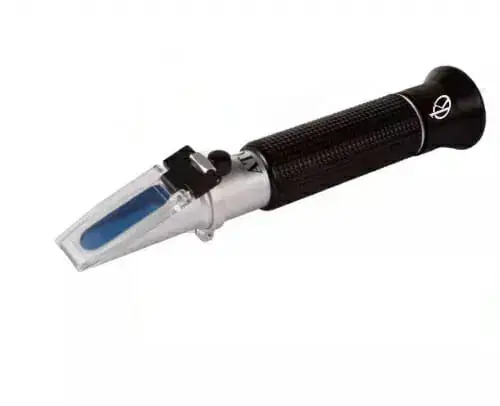
Car refractometers, such as the YR05916, YR05917, YR05918, YR05919, YR05920, and YR05921, are designed to measure the refractive index of liquids, providing critical data on fluid properties. These instruments utilize Automatic Temperature Compensation (ATC) technology, ensuring accurate readings despite temperature fluctuations. Integrating these devices with a LIMS allows for seamless data transfer, which enhances record-keeping, minimizes human error, and promotes real-time access to vital information.
Key Features of Car Refractometers for LIMS Integration
Each model of car refractometer presents unique features that contribute to effective LIMS integration. For instance, the YR05916 and YR05917 are equipped with a range of measurement capabilities from -60°C to 0°C for ethylene glycol and propylene glycol concentrations. The ATC functionality of these models automatically adjusts for temperature variations, facilitating precision which is critical in laboratory settings. This allows laboratories to maintain compliance with standards like ISO 17025 while optimizing their workflows.
Comparison of Available Models
| Model Code | Measurement Range | Min. Division | Accuracy | Best Use Case |
|---|---|---|---|---|
| YR05916 | -60°C to 0°C | 0.01sg | ±0.01sg | Ethylene glycol concentration |
| YR05917 | -60°C to 0°C | 0.01sg | ±0.01sg | Antifreeze testing |
| YR05918 | -60°F to 32°F | 0.01sg | ±0.01sg | Windshield washer fluid testing |
| YR05919 | -60°C to 0°C | 0.01sg | ±0.01sg | Automotive fluid analysis |
| YR05920 | -60°C to 0°C | 0.01sg | ±0.01sg | Concentration checks |
| YR05921 | -60°C to 0°C | 0.01sg | ±0.01sg | Fluid quality assurance |
Enhancing Laboratory Workflows through LIMS Integration
The integration of car refractometers with LIMS streamlines data management processes in laboratories. By automating data entry, laboratories can reduce the chances of human error and ensure that all data is accurately recorded in compliance with industry standards. Moreover, the ability to track and analyze data in real-time provides laboratories with insights into their operations, enabling them to adjust processes for greater efficiency.
Common Mistakes and How to Avoid Them
One common mistake when integrating car refractometers with LIMS is underestimating the importance of proper connectivity protocols. Laboratories must ensure that their refractometers support the necessary protocols, such as ASTM and HL7, for seamless operation. Additionally, failing to train staff on the use of integrated systems can lead to data mismanagement. Implementing comprehensive training sessions can mitigate these issues and enhance the overall efficiency of laboratory workflows.
Data Management Protocols in LIMS Integration
Effective data management is crucial for laboratories utilizing car refractometers. Establishing standard operating procedures (SOPs) for data entry, retrieval, and analysis is essential for compliance with regulatory standards. Moreover, laboratories should consider implementing data validation checks to ensure that all recorded data meets quality control criteria. This proactive approach not only supports compliance but also enhances overall laboratory performance.
Frequently Asked Questions
How do I integrate a car refractometer with LIMS for better data management?
Integrating a car refractometer, such as the YR05916, with LIMS involves ensuring compatibility with data protocols like ASTM. Establishing a bidirectional interface allows for the automatic transfer of measurement data, streamlining your laboratory's data management process and improving accuracy.
What are the key benefits of using LIMS with car refractometers in laboratories?
Using LIMS with car refractometers enhances data accuracy and traceability while reducing manual entry errors. For example, models like YR05917 can automatically log measurements into LIMS, providing real-time insights and supporting compliance with industry standards.
Which LIMS protocols are essential for car refractometer integration?
Essential protocols for integrating car refractometers include ASTM and HL7 standards. This ensures proper data exchange and compliance. Models like YR05918 are particularly suitable for laboratories needing to meet strict data management regulations.
How can a car refractometer improve compliance with ISO 17025?
Car refractometers, such as the YR05919, improve compliance with ISO 17025 by ensuring accurate measurements and data traceability. Their integration with LIMS facilitates automatic recording of results, which enhances overall data integrity and compliance with quality management standards.
What is the role of automatic temperature compensation in car refractometers?
Automatic temperature compensation (ATC) is crucial in car refractometers, like the YR05921, as it corrects for temperature variations, ensuring accurate readings. This feature is vital for maintaining compliance in laboratories that require precision in fluid analysis.
How do car refractometers aid in antifreeze concentration testing?
Car refractometers, including the YR05920, are designed to measure antifreeze concentration effectively. By integrating with LIMS, they facilitate accurate data logging and analysis, helping laboratories ensure that antifreeze solutions meet required specifications.
Why is staff training important for LIMS integration with car refractometers?
Staff training is vital for successful LIMS integration as it ensures that users understand the system's functionalities. Proper training on models like YR05918 can help laboratory personnel leverage LIMS capabilities to maximize data accuracy and efficiency.
What data validation checks should be implemented for car refractometer measurements?
Data validation checks are essential for ensuring accuracy in car refractometer measurements. For instance, laboratories should implement checks for range and consistency, particularly with models like YR05916, to maintain high compliance standards.
If you are looking for a fusion of innovation and quality, you have come to the right place. At Kalstein, we offer you the luxury of exploring our exclusive catalog of laboratory equipment. We manufacture every device to the highest standards of excellence. Our intuitive and seamless online purchasing channels are designed for your convenience, securing the most competitive prices. Hesitate no longer — we bring science to life, it is time to become part of our community.