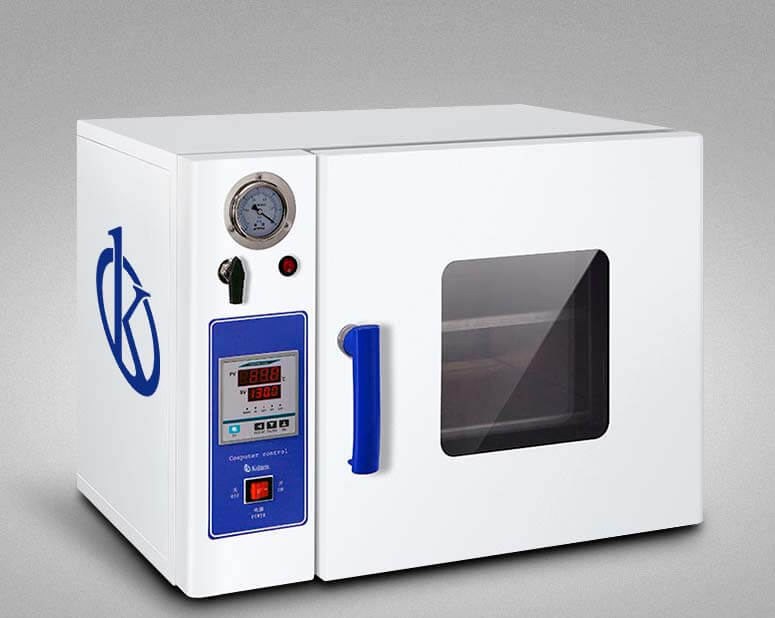
How to Optimize Productivity and Reduce Analysis Times with Vacuum Drying Ovens
In modern laboratories, optimizing productivity and reducing analysis times are paramount for achieving efficient workflows and meeting stringent deadlines. Vacuum drying ovens serve as essential tools in this endeavor, providing rapid drying solutions while ensuring sample integrity. This article explores various strategies for enhancing productivity through the use of vacuum drying ovens, focusing on specific models, operational best practices, and practical applications in different scientific fields.
Understanding the Role of Vacuum Drying Ovens in Productivity
Vacuum drying ovens are designed to remove moisture from materials and samples by creating a vacuum environment, which lowers the boiling point of water and speeds up the drying process. By utilizing these ovens, laboratories can significantly decrease drying times for heat-sensitive samples, increase throughput, and minimize downtime. Additionally, they help in preserving sample integrity, making them ideal for applications across biochemical, pharmaceutical, agricultural research, and environmental studies.
Comparison of Available Models
| Model | Temperature Range (°C) | Power (kW) | Vacuum Level (Pa) | Best For |
|---|---|---|---|---|
| YR05260-A | RT + 5 ~ 250 | 0.9 | < 133 | Rapid drying of heat-sensitive powders |
| YR05261-A | RT + 5 ~ 250 | 0.9 | < 133 | Complex materials drying |
| YR05262-SS | RT + 5 ~ 250 | 1.4 | < 133 | Biochemical and pharmaceutical applications |
| YR05263-SS | RT + 5 ~ 250 | 1.4 | < 133 | Environmental research drying needs |
| YR05264-A | RT + 5 ~ 250 | 0.9 | < 133 | Efficient drying of porous samples |
| YR05265-SS | RT + 5 ~ 250 | 1.4 | < 133 | General laboratory drying |
Maximizing Throughput with Vacuum Drying Ovens
To maximize throughput in laboratory settings, it is essential to utilize vacuum drying ovens effectively. One way to achieve this is by optimizing batch sizes. Larger batches can significantly reduce the time spent loading and unloading samples, allowing for more efficient operation. For example, the YR05263-SS model, with a higher power rating, can handle larger quantities of material, thus reducing overall drying times.
Additionally, automation can further enhance throughput. By integrating vacuum drying ovens with laboratory automation systems, labs can achieve walk-away capabilities, allowing personnel to focus on other tasks while the samples are being processed. This integration aids in streamlining workflows and minimizes bottlenecks.
Reducing Analysis Times Through Effective Protocols
Establishing effective drying protocols is crucial for reducing analysis times. This includes determining optimal temperature settings, vacuum levels, and drying durations based on the specific sample types being processed. For instance, the YR05262-SS model, designed for biochemical applications, offers precise temperature control, which is essential when working with sensitive compounds. Adapting these parameters to the material's characteristics can lead to significant time savings while maintaining quality.
Moreover, conducting routine checks and calibrations helps maintain oven performance, ensuring consistent results and reducing the likelihood of re-running samples due to inadequate drying. Implementing a calibration schedule can also extend the lifespan of the oven, ultimately benefiting productivity.
Common Mistakes and How to Avoid Them
Laboratories often encounter challenges that hinder productivity when using vacuum drying ovens. A common mistake is not pre-heating the oven before loading samples. This can lead to uneven drying and extended analysis times. It is recommended to allow the oven to reach the desired temperature prior to introducing samples, ensuring uniform heat distribution and optimized drying conditions.
Another mistake is overloading the oven. Each model, such as the YR05261-A, has specific load capacities, and exceeding these can result in inefficient drying, longer processing times, and potential damage to the equipment. Always consult the manufacturer's guidelines to ensure optimal loading practices.
Implementing Energy Efficiency in Vacuum Drying Ovens
Energy efficiency is another critical aspect that can impact overall laboratory productivity. Vacuum drying ovens, while effective, can consume significant energy, particularly if not used wisely. Implementing energy-saving techniques, such as using the right insulation materials and minimizing door openings, can lead to lower energy consumption.
For example, the YR05262-SS model features advanced insulation that helps retain heat, reducing the need for continuous power. Conducting a lifecycle assessment of energy consumption can highlight areas for improvement and potentially save on operating costs.
Integration with Laboratory Information Management Systems (LIMS)
Integrating vacuum drying ovens with a Laboratory Information Management System (LIMS) provides not only enhanced data management but also boosts productivity. This integration allows for real-time monitoring of drying parameters and sample tracking, which can streamline workflows and reduce errors.
Protocols such as ASTM and HL7 ensure seamless communication between the oven and LIMS, enabling efficient data collection and analysis. By leveraging technology, laboratories can achieve higher productivity levels and ensure compliance with regulatory standards.
Utilizing Smart Technologies for Enhanced Functionality
With the advent of smart technologies, vacuum drying ovens are becoming increasingly sophisticated. Models like the YR05265-SS are designed to incorporate IoT capabilities, allowing for remote monitoring and control. This functionality enables laboratory personnel to oversee operations from a distance, adjusting settings as needed without disrupting other tasks.
Additionally, predictive maintenance features can alert users to potential malfunctions before they occur, minimizing downtime and improving sample processing speed. Such innovations lead to more efficient use of resources and increased productivity.
Frequently Asked Questions
How can I optimize analysis times using vacuum drying ovens in my lab?
To optimize analysis times, consider using the YR05262-SS vacuum drying oven, which offers precise temperature control and efficient drying capabilities. Establish effective protocols based on sample type and ensure the oven is pre-heated before loading samples to reduce drying times.
What is the best vacuum drying oven for heat-sensitive materials?
The YR05261-A model is particularly well-suited for heat-sensitive materials due to its precise temperature control and ability to maintain low vacuum levels. This ensures rapid drying while preserving the integrity of sensitive samples.
Which vacuum drying oven offers the highest throughput for laboratory applications?
The YR05263-SS vacuum drying oven is designed for high throughput, handling larger batches efficiently. Its higher power rating allows for faster drying times, making it ideal for busy laboratories requiring quick turnaround.
How does integrating LIMS with vacuum drying ovens improve productivity?
Integrating LIMS with vacuum drying ovens, like the YR05262-SS, enhances productivity by enabling real-time monitoring, sample tracking, and data management. This streamlines workflows and reduces the potential for errors during analysis.
What common mistakes should I avoid when using vacuum drying ovens?
Avoid overloading the vacuum drying oven, such as the YR05260-A, as it can lead to inefficient drying and longer processing times. Always refer to the manufacturer’s guidelines for optimal loading practices and pre-heat the oven before use.
Can vacuum drying ovens contribute to energy savings in laboratories?
Yes, vacuum drying ovens, such as the YR05262-SS, can contribute to energy savings by implementing insulation improvements and minimizing door openings. Conducting a lifecycle assessment can help identify energy consumption patterns and areas for efficiency improvements.
What are the benefits of using advanced technology in vacuum drying ovens?
Advanced technologies in vacuum drying ovens, such as IoT capabilities in the YR05265-SS model, provide remote monitoring and predictive maintenance. These features enhance functionality, reduce downtime, and improve overall laboratory productivity.
If you are looking for a fusion of innovation and quality, you have come to the right place. At Kalstein, we offer you the luxury of exploring our exclusive catalog of laboratory equipment. We manufacture every device to the highest standards of excellence. Our intuitive and seamless online purchasing channels are designed for your convenience, securing the most competitive prices. Hesitate no longer — we bring science to life, it is time to become part of our community.