How to Optimize Productivity and Reduce Analysis Times in Your Laboratory
In the fast-paced world of laboratory operations, optimizing productivity and reducing analysis times are critical for success. Laboratories face increasing demands for efficiency, accuracy, and rapid turnaround times. This article will explore various models of laboratory equipment, focusing on their capabilities to enhance productivity and minimize analysis times. By understanding the features and benefits of different instruments, laboratory professionals can make informed decisions that lead to improved workflows and outcomes.
Understanding the Importance of Productivity in Laboratories
Productivity in laboratories relates not only to the speed of analysis but also to the effective use of resources. This includes personnel, equipment, and reagents. High productivity means that a laboratory can handle more samples in less time while maintaining quality and compliance with regulations. In a world where laboratories are expected to deliver results quickly, being able to effectively optimize your processes will lead to greater operational efficiency and profitability.
The reduction of analysis times is achieved through multiple means, including better equipment, streamlined procedures, and effective management of laboratory workflows. By investing in the right laboratory models, facilities can ensure they are equipped to meet both present and future demands.
Key Factors Influencing Productivity and Analysis Time
There are several key factors that influence a laboratory's ability to optimize productivity and reduce analysis time:
- Equipment Efficiency: High-performance instruments can significantly reduce the time taken for various analysis tasks.
- Automation: Integrating automation can minimize manual handling, reduce errors, and speed up processes.
- Training: Well-trained personnel can work more efficiently and effectively handle complex equipment.
- Process Optimization: Continuous review and optimization of laboratory workflows can uncover bottlenecks that slow down operations.
Comparison of Available Models
| Model | Capabilities | Best For | Price (USD) |
|---|---|---|---|
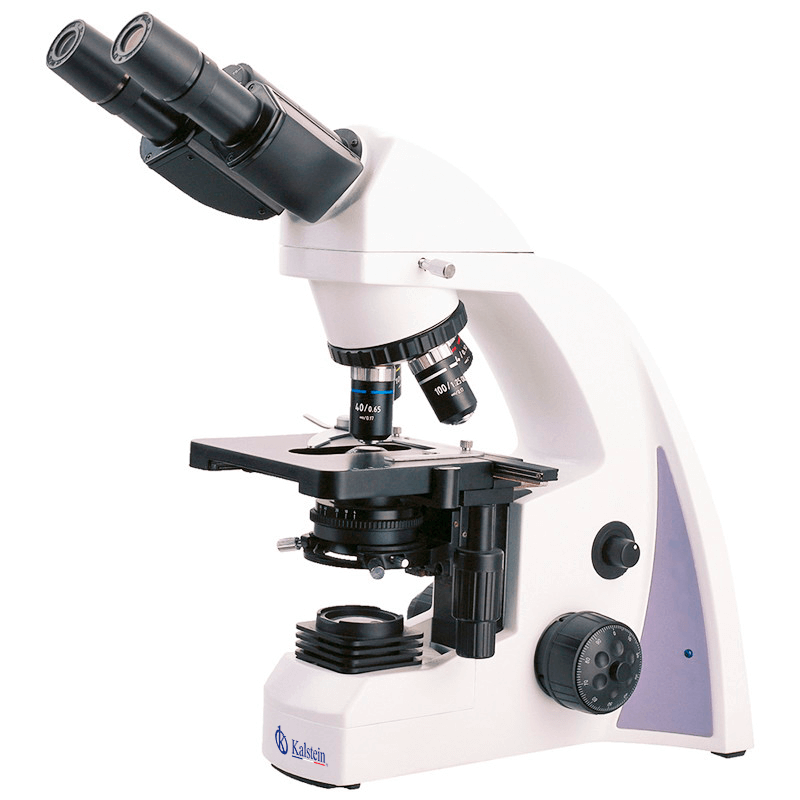
| YR0237-0-1 | Wide field eyepieces, high-quality acromat objectives, adjustable condenser | Routine laboratory analysis | 437.00 |
| YR0237-1 | Enhanced optical system for clarity, ergonomic design | Detailed examinations and research | 491.00 |
| YR0237-1-1 | Similar features to YR0237-1 with additional adjustments | Advanced analysis scenarios | 448.10 |
| YR03731-1 | Precision pipetting with low operational force | Microbiology and genetic analysis | 13.00 |
| YR03731-2 | Fixed volume pipetting with sterilization capability | Routine lab applications | 13.00 |
| YR03731-3 | Robust design with excellent accuracy | General lab use | 13.00 |
Common Mistakes and How to Avoid Them
Laboratory professionals often face challenges that can undermine productivity. Here are some common mistakes and strategies to avoid them:
- Overlooking Calibration: Regular calibration of instruments like the YR0237-1 is crucial. Neglecting this can lead to inaccuracies and increased analysis time.
- Insufficient Training: Ensuring that all staff are adequately trained on models like YR03731-1 can prevent misuse that slows down processes.
- Poor Workflow Management: Implementing lean management techniques can help identify bottlenecks in processes.
- Ignoring Data Management: Utilize LIMS systems to track samples and results efficiently, reducing time spent on administrative tasks.
Strategies for Optimizing Laboratory Productivity
Enhancing laboratory productivity requires a multifaceted approach:
1. Invest in High-Quality Equipment
Choosing models like the YR0237-1 that offer advanced features will undoubtedly yield reductions in analysis time. For instance, wide-field eyepieces improve visual clarity and speed up sample examination.
2. Automate Routine Processes
Integrating automation into workflows can drastically improve throughput. Pipettes such as YR03731-1 are designed for precision, reducing the time needed for manual sample handling.
3. Continuous Training and Development
Regular training sessions on the latest protocols and equipment can help staff stay updated and efficient. Understanding the full capabilities of models ensures that they are utilized optimally.
4. Regularly Review Processes
Conducting audits of laboratory processes can highlight inefficiencies. A focus on lean methodologies can help streamline workflows.
Additional Data Table: Productivity Metrics
| Model | Samples per Hour | Average Analysis Time (minutes) | Best Use Case |
|---|---|---|---|
| YR0237-0-1 | 15 | 4 | Routine microscopy |
| YR0237-1 | 10 | 6 | Research applications |
| YR03731-1 | 20 | 2 | Pipetting accuracy |
Frequently Asked Questions
What features should I look for in a laboratory microscope for productivity?
When assessing models like the YR0237-1, look for features such as wide-field eyepieces, acromat objectives, and ergonomic designs. These enhance user comfort and reduce analysis time by providing clearer visuals and easier adjustments.
How can automation reduce analysis times in laboratories?
Automation, such as using automated pipettes like the YR03731-1, significantly minimizes manual handling. This leads to quicker processing and reduces the chance of human error, thus expediting overall laboratory workflows.
What are the benefits of using high-precision pipettes like YR03731-1?
High-precision pipettes, such as the YR03731-1, ensure accurate liquid handling, essential for reliable results. Their ergonomic design also minimizes operator fatigue, allowing for longer, more efficient work sessions.
Why is regular training important for laboratory staff?
Regular training keeps laboratory staff informed about the latest techniques and equipment handling, such as with the YR0237-1. This knowledge is crucial for maintaining productivity and ensuring compliance with operational standards.
What common mistakes should laboratories avoid to enhance productivity?
Common mistakes include neglecting equipment calibration, poor workflow management, and inadequate staff training. Addressing these issues, particularly with models like YR03731-1, can lead to significant improvements in efficiency.
How does equipment selection impact laboratory analysis times?
The selection of high-quality equipment like the YR0237-0-1 directly impacts analysis times by providing better performance and reliability. Choosing the right instruments can lead to faster processing of samples and reduced turnaround times.
What role does data management play in laboratory productivity?
Effective data management, especially through LIMS systems, streamlines sample tracking and results reporting. This integration allows laboratory personnel to focus more on analysis rather than administrative tasks, thereby enhancing productivity.
How can laboratories ensure they are meeting compliance while optimizing productivity?
By selecting compliant models like YR0237-1 and implementing standard operating procedures, laboratories can ensure compliance without sacrificing productivity. This balance is crucial for maintaining quality and efficiency.
If you are looking for a fusion of innovation and quality, you have come to the right place. At Kalstein, we offer you the luxury of exploring our exclusive catalog of laboratory equipment. We manufacture every device to the highest standards of excellence. Our intuitive and seamless online purchasing channels are designed for your convenience, securing the most competitive prices. Hesitate no longer — we bring science to life, it is time to become part of our community.