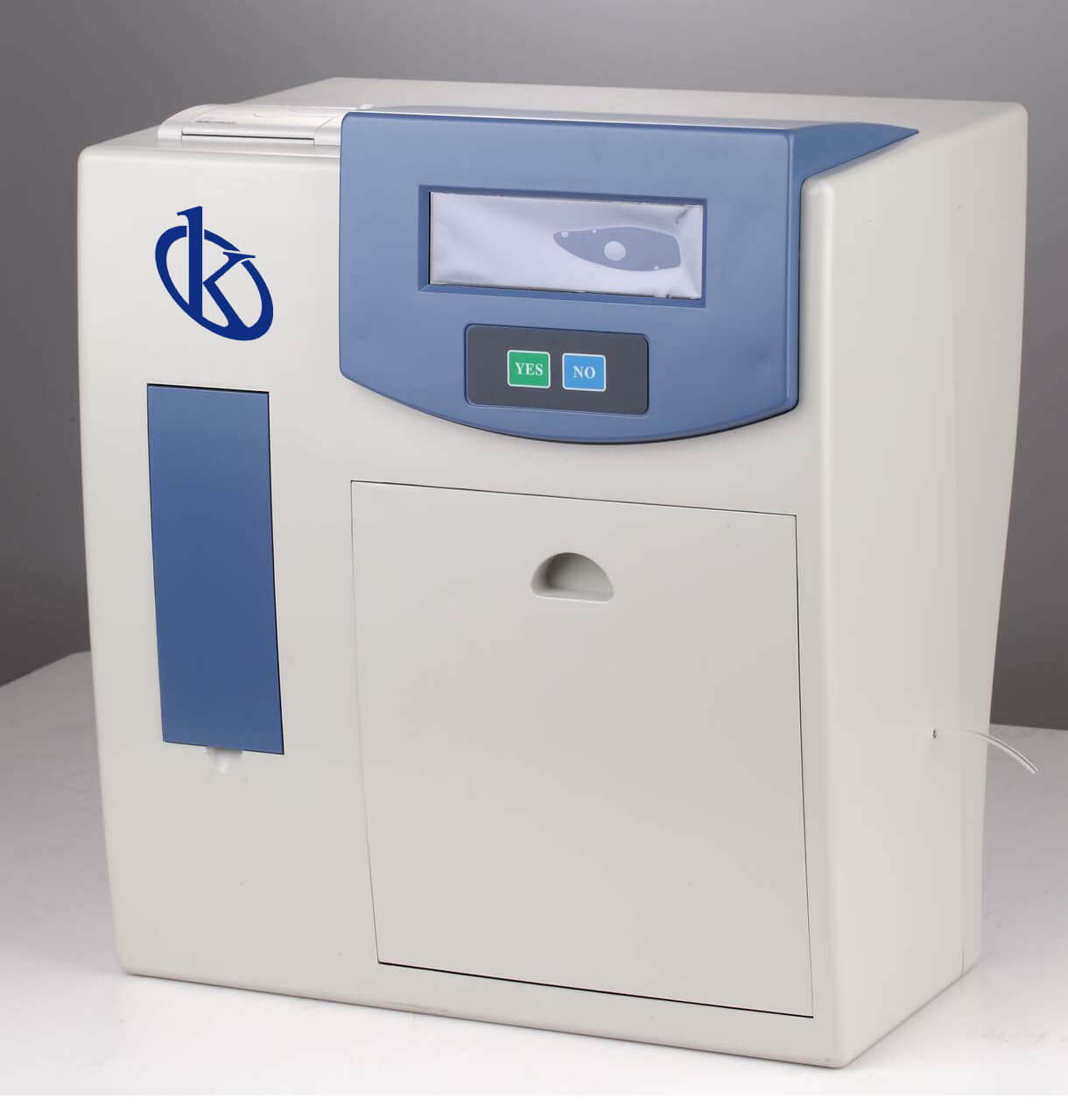
How to Optimize Productivity and Reduce Analysis Times with Electrolyte Analyzers?
Electrolyte analyzers are crucial in clinical and research laboratories for timely and accurate measurements of ions and other electrolytes. With increasing demands for efficiency, these devices must not only provide accurate results but also enhance overall productivity in workflow. This article deep dives into various models of electrolyte analyzers, focusing on optimizing productivity and reducing analysis times.
Understanding the Importance of Electrolyte Analyzers in Modern Laboratories
Electrolyte analyzers play a vital role in clinical diagnostics and patient management. They quickly assess critical parameters such as sodium (Na), potassium (K), and chloride (Cl), necessary for diagnosing conditions like dehydration, renal failure, and electrolyte imbalances. As laboratories strive for efficiency, optimizing the use of these analyzers can result in faster turnaround times, improving patient care and operational effectiveness.
Key Features That Enhance Productivity
Modern electrolyte analyzers are equipped with features that significantly enhance productivity. For instance, automatic calibration and real-time diagnostics can minimize downtime. Moreover, the ability to analyze multiple samples simultaneously helps laboratories handle a larger workload without compromising on accuracy. Understanding these features is crucial for choosing the right equipment.
Automatic Calibration and Correction
Models like the Electrolyte Analyzer YR05169 utilize automatic calibration systems to ensure precise measurements. This feature not only saves time during the setup but also continuously monitors performance, thereby reducing the chances of human error and the need for frequent manual adjustments, leading to faster analysis times.
Real-time Diagnostic Capabilities
Many advanced models, such as the YR06391, offer real-time diagnostics that alert technicians to any potential issues within the system. This proactive approach helps mitigate downtime by addressing problems before they escalate, ensuring consistent operation and maintenance of productivity levels.
Comparison of Available Models
| Model | Key Features | Best for |
|---|---|---|
| YR05169 | Automatic calibration, real-time diagnostics | High-volume labs needing reliable performance |
| YR06391 | Touchscreen interface, low operational costs | Labs focused on user-friendly interfaces |
| YR06392 | Advanced diagnostics, multiple sample types | Research labs needing flexibility |
| YR06393 | Fast analysis speed | Emergency departments requiring quick results |
| YR06394 | Multi-element analysis capability | Comprehensive labs analyzing complex samples |
| YR06395 | Cost-effective consumables | Budget-conscious labs |
Productivity Optimization Techniques
To maximize the effectiveness of electrolyte analyzers, laboratories can implement several strategies. These include staggered sample batching, integrating analyzers with laboratory information management systems (LIMS), and training personnel on efficient operational protocols.
Staggered Sample Batching
Incorporating staggered sample batching allows laboratories to prepare multiple samples for analysis without overwhelming the system. This method can significantly enhance throughput, allowing for more tests to be processed in less time, thereby optimizing productivity.
LIMS Integration
Integrating electrolyte analyzers with LIMS facilitates seamless data flow and minimizes manual entry errors. This integration can streamline workflows, reduce administrative burdens, and ensure that results are readily available for clinical decision-making.
Common Mistakes and How to Avoid Them
Laboratories often encounter pitfalls that hinder productivity and efficiency when using electrolyte analyzers. Some common errors include neglecting routine maintenance, failing to train staff adequately, and not optimizing analyzer settings per sample type.
Neglecting Routine Maintenance
Regular maintenance ensures optimal performance of electrolyte analyzers. Schedule routine checks and calibration to prevent unexpected breakdowns that disrupt workflow.
Insufficient Staff Training
Ensure all personnel are trained in using the analyzers effectively. Familiarity with the equipment leads to more accurate results and quicker troubleshooting when issues arise.
Frequently Asked Questions
What are the key benefits of using advanced electrolyte analyzers in laboratories?
Advanced electrolyte analyzers, such as the YR05169, provide benefits like automatic calibration and real-time diagnostics, which help reduce analysis times and improve accuracy, ultimately enhancing laboratory productivity.
How can LIMS integration improve the efficiency of electrolyte analyzers?
LIMS integration can streamline data management for electrolyte analyzers like the YR06391, reducing manual entry errors and ensuring that results are displayed promptly, thus improving overall workflow efficiency.
What is the average turnaround time for tests using electrolyte analyzers?
Many electrolyte analyzers can deliver results in under 40 seconds, such as the YR06393, which significantly contributes to faster patient management and improves the laboratory's throughput.
How often should electrolyte analyzers be calibrated for optimal performance?
It is recommended that electrolyte analyzers like the YR05169 undergo calibration at least once a week or after a significant number of tests to ensure accuracy and reliability in results.
Which features should I prioritize when selecting an electrolyte analyzer?
When selecting an electrolyte analyzer, prioritize features such as automatic calibration, analysis speed, and the range of tested parameters, as these will directly impact productivity and efficiency in testing.
What factors contribute to the cost-effectiveness of electrolyte analyzers?
Cost-effectiveness in electrolyte analyzers, like the YR06395, is influenced by factors such as the price of consumables, maintenance costs, and the overall speed of analysis, providing significant ROI for laboratories.
How does the design of an electrolyte analyzer impact laboratory workflow?
A well-designed electrolyte analyzer, such as the YR06394, with user-friendly interfaces and efficient sample processing capabilities, can streamline laboratory workflows and reduce potential bottlenecks in analysis.
Conclusion
Optimizing productivity and reducing analysis times with electrolyte analyzers is achievable through the strategic selection of models and understanding their key features. Investing in advanced technology leads to improved laboratory efficiency, benefiting both staff and patients.
If you are looking for a fusion of innovation and quality, you have come to the right place. At Kalstein, we offer you the luxury of exploring our exclusive catalog of laboratory equipment. We manufacture every device to the highest standards of excellence. Our intuitive and seamless online purchasing channels are designed for your convenience, securing the most competitive prices. Hesitate no longer — we bring science to life, it is time to become part of our community.