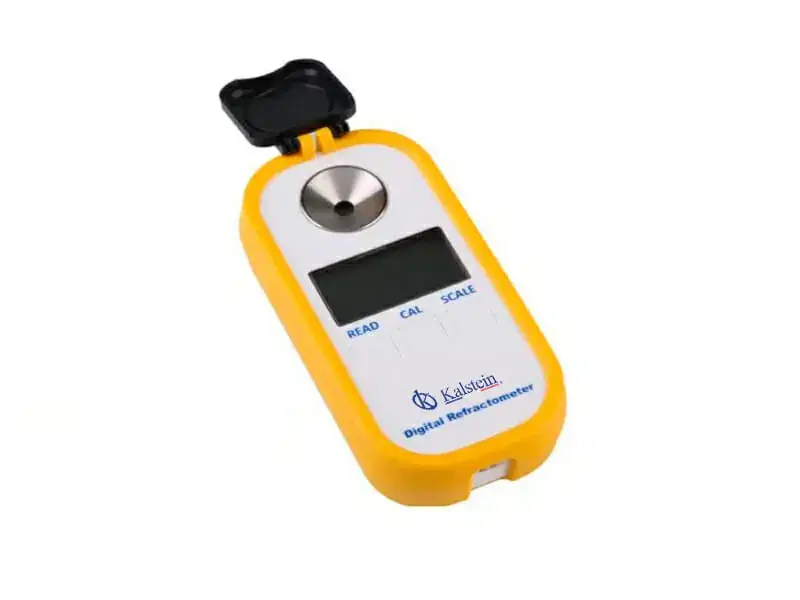
How to Optimize Productivity and Reduce Analysis Times with Digital Salinity Refractometers?
Digital salinity refractometers are essential tools in laboratories that require precise and quick measurement of salinity levels. By leveraging their advanced features, laboratories can enhance productivity and reduce analysis times significantly. This article delves into various models, their applications, and how they contribute to optimization of laboratory workflows.
Understanding the Importance of Optimization in Laboratory Analysis
In today's competitive laboratory environment, efficiency is paramount. Laboratories are constantly under pressure to deliver accurate results quickly. Digital salinity refractometers offer precise measurements with minimal sample requirements. By reducing sample volume and providing rapid results, they help labs streamline their workflow and optimize productivity.
Key Features that Enhance Productivity
Digital salinity refractometers are designed with features aimed at enhancing laboratory efficiency. Automatic Temperature Compensation (ATC) ensures that the readings are accurate without requiring manual adjustments. This feature is particularly beneficial for labs that operate in varying temperature conditions, thereby cutting down on analysis times.
Comparison of Available Models
| Model | Measurement Range | Min. Division | Precision | Best for | Price (USD) |
|---|---|---|---|---|---|
| YR05953 | 0.0-28.0% | 0.10% | ±0.1% | General salinity tests | 76.00 |
| YR05954 | 0-280‰ | 1‰ | ±1‰ | High salinity environments | 76.00 |
| YR05955 | 1.000-1.217 | 0.001 | ±0.002 | Density measurements | 76.00 |
| YR05956 | 1.3330-1.3900nD | 0.0001nD | ±0.0003nD | Refractive index analysis | 76.00 |
| YR05957 | 0-100‰ | 1‰ | ±2‰ | Medium salinity levels | 76.00 |
| YR05958 | 0-57‰ | 1‰ | ±2‰ | Clinicity measurements | 76.00 |
| YR05959 | 1.000-1.070 | 0.001 | ±0.002 | Low density fluids | 76.00 |
| YR05960 | 1.3330-1.3530nD | 0.0001nD | ±0.0003nD | Refraction in laboratory settings | 76.00 |
Common Mistakes and How to Avoid Them
One of the most common mistakes when using digital salinity refractometers is neglecting to calibrate the device regularly. Calibration ensures that the results are accurate and reliable. Labs should establish a calibration schedule based on the frequency of use, ideally performing it before each batch of analysis.
Optimizing Analysis Times with Digital Salinity Refractometers
To fully utilize the capabilities of digital salinity refractometers, laboratories should consider integrating automation where possible. Automating sample loading and data logging can significantly enhance throughput. For example, with models like the YR05954, which has a wide measurement range, labs can efficiently process samples without manual intervention, thus saving time.
Assessing Laboratory Workflows
Before implementing new equipment, labs should assess their current workflows to identify bottlenecks. By mapping out the analysis process, labs can pinpoint where digital salinity refractometers can be utilized most effectively. This targeted approach leads to better integration and productivity gains.
Best Practices for Maximizing Efficiency
To maximize the efficiency of digital salinity refractometers, labs should train staff on optimal usage techniques. Understanding the nuances of each model, such as the YR05955's capability to measure density, allows lab personnel to select the right tool for specific tasks. Furthermore, regular maintenance ensures longevity and consistent performance.
Frequently Asked Questions
What are the benefits of using Digital Salinity Refractometers in a laboratory?
Digital salinity refractometers, such as the YR05954, provide accurate salinity measurements quickly, enhancing workflow efficiency. Their automatic temperature compensation feature also eliminates the need for manual adjustments, further streamlining processes in laboratory settings.
How do Digital Salinity Refractometers improve analysis times?
By requiring only minimal sample sizes and providing instant readings, models like the YR05953 significantly reduce analysis times. This efficiency allows laboratories to handle a higher volume of samples within the same timeframe.
What calibration frequency is recommended for Digital Salinity Refractometers?
It is recommended to calibrate models like the YR05956 at least once a week or before high-precision tests to ensure accuracy in measurements. Regular calibration helps maintain reliability and avoids costly errors in analysis.
Can Digital Salinity Refractometers be integrated into laboratory information management systems?
Yes, some digital salinity refractometers can be integrated into laboratory information management systems (LIMS). This connectivity allows for seamless data transfer and enhances overall data management efficiency within the laboratory.
What is the typical accuracy of Digital Salinity Refractometers?
Models such as the YR05957 offer an accuracy of ±2‰, making them suitable for a variety of salinity measurements. Accuracy is crucial for obtaining reliable data in laboratory applications.
How much space do Digital Salinity Refractometers require in a laboratory setup?
Most digital salinity refractometers, including the YR05958, are compact and designed to fit into tight laboratory spaces, facilitating their use without major adjustments to existing setups.
Which Digital Salinity Refractometer is best for high salinity measurements?
The YR05954 model is best suited for high salinity measurements, with a range of 0-280‰, making it ideal for marine and environmental studies where high salinity solutions are common.
How does the cost of Digital Salinity Refractometers compare to other laboratory equipment?
With a price point of around 76.00 USD, models like the YR05953 are relatively affordable compared to other laboratory equipment, offering a good balance of performance and cost-effectiveness for salinity measurements.
If you are looking for a fusion of innovation and quality, you have come to the right place. At Kalstein, we offer you the luxury of exploring our exclusive catalog of laboratory equipment. We manufacture every device to the highest standards of excellence. Our intuitive and seamless online purchasing channels are designed for your convenience, securing the most competitive prices. Hesitate no longer — we bring science to life, it is time to become part of our community.