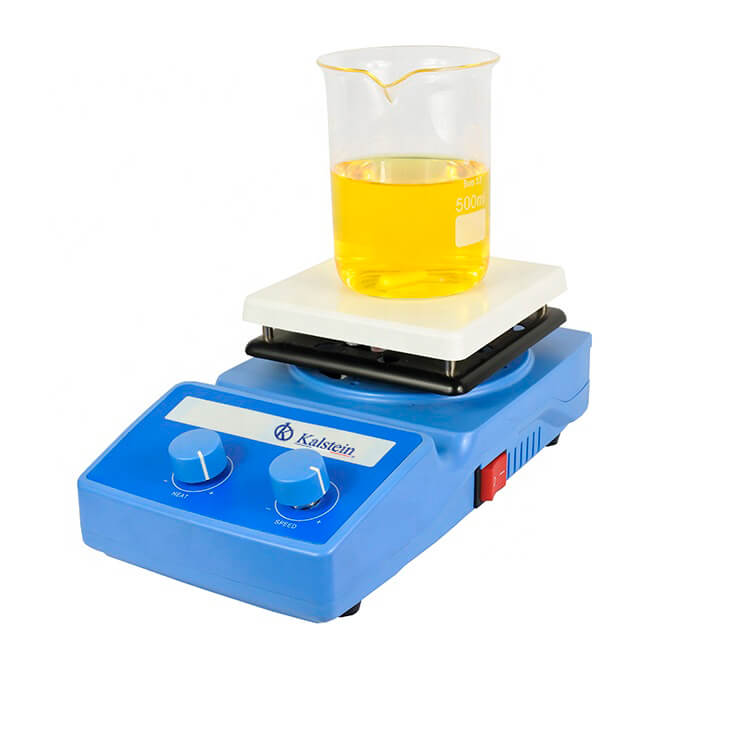
How to Optimize Laboratory Data Flow with Analog Ceramic Top Hotplate Stirrers
In a laboratory setting, efficient data management is paramount. With the increasing reliance on Laboratory Information Management Systems (LIMS), integrating equipment such as Analog Ceramic Top Hotplate Stirrers can significantly enhance workflow optimization. This article explores how these stirrers can be aligned with data systems, ensuring a seamless flow of information necessary for laboratory success.
Understanding LIMS Integration
Laboratories today are transitioning towards digitalization, emphasizing the importance of LIMS integration. These systems help manage samples, associated data, and laboratory processes efficiently. For effective integration, understanding the capabilities of individual devices, such as the Analog Ceramic Top Hotplate Stirrers, is crucial.
Benefits of Using Analog Ceramic Top Hotplate Stirrers
Analog Ceramic Top Hotplate Stirrers, including models such as YR02933, YR02934, YR02935, and YR02936, provide various advantages in laboratory settings. Their efficiency, reliability, and ease of use make them ideal for tasks requiring precise temperature control and consistent stirring. These features are vital when ensuring that data captured aligns with the expected outcomes set within a LIMS.
Model Overview: YR02933
The Analog Ceramic Top Hotplate Stirrer YR02933 is designed for straightforward applications, providing a reliable heating surface with a simple interface. Its integration with LIMS can facilitate easy tracking of heating parameters, ensuring data accuracy.
Model Overview: YR02934
This model features automatic PID temperature control and a workspace of 180 x 180 mm, making it versatile for various laboratory tasks. Efficient integration with LIMS allows for automatic logging of temperature data, enhancing data integrity.
Model Overview: YR02935
The YR02935 model comes equipped with a temperature range from RT to 380 °C and can support a volume of 10 liters. It’s well-suited for complex reactions where precise data management is necessary, and its LIMS integration streamlines the data collection process.
Model Overview: YR02936
Offering a larger heating plate and a higher temperature range, the YR02936 is ideal for extensive laboratory applications. Its compatibility with LIMS ensures that all operational parameters are logged systematically, facilitating compliance and audit readiness.
Comparison of Available Models
| Model | Temperature Range | Heating Plate Size (mm) | Best For |
|---|---|---|---|
| YR02933 | Up to 325 °C | Variable | Basic heating needs |
| YR02934 | Ambient to 380 °C | 180 x 180 | Routine laboratory tasks |
| YR02935 | RT to 380 °C | 230 x 230 | Complex reactions |
| YR02936 | Ambient to 400 °C | 280 x 280 | Large-scale experiments |
Common Mistakes and How to Avoid Them
When integrating Analog Ceramic Top Hotplate Stirrers with LIMS, laboratories often face challenges. Common mistakes include inadequate training on LIMS operation, failure to calibrate devices correctly, and neglecting data security protocols. Ensuring comprehensive training and regular device maintenance can mitigate these issues, leading to improved data accuracy and compliance.
Data Flow Optimization Techniques
Optimizing data flow in laboratory environments involves systematic approaches. Utilizing standard connectivity protocols (like ASTM or HL7) ensures that data from Analog Ceramic Top Hotplate Stirrers can be transferred seamlessly into the LIMS. Moreover, implementing a structured digital workflow can significantly reduce manual data entry errors.
Connectivity Protocols for Seamless Integration
Understanding connectivity protocols is essential for effective LIMS integration. Protocols such as RESTful APIs enable real-time data transfer between devices and software systems, enhancing the laboratory’s operational efficiency. Ensuring that each Analog Ceramic Top Hotplate Stirrer supports these protocols is crucial for a smooth integration process.
Examples of Successful LIMS Integrations
There are numerous case studies that demonstrate successful integration of laboratory devices with LIMS. For instance, laboratories utilizing the YR02934 have reported improved data accuracy and time savings due to automated logging of temperature and stirring data directly into their LIMS, illustrating a best practice model for future integrations.
Frequently Asked Questions
How can I improve data integrity with Analog Ceramic Top Hotplate Stirrers?
Improving data integrity with models like YR02936 involves integrating them with a LIMS that supports automated data logging. This minimizes human error during manual entry and ensures consistent data recording throughout experiments.
What are the key specifications to consider for LIMS integration?
Key specifications include the heating range and connectivity options. Models such as YR02935 provide significant temperature ranges and connectivity features that enhance their compatibility with LIMS, ensuring an efficient workflow.
Which Analog Ceramic Top Hotplate Stirrer is best for large-scale experiments?
The YR02936 is the best choice for large-scale experiments, offering a heating range up to 400 °C and a sizable heating plate. Its integration with LIMS allows for efficient data management across extensive sample sets.
How does LIMS integration benefit laboratory workflows?
LIMS integration streamlines laboratory workflows by automating data collection and reducing manual input. This efficiency is exemplified in laboratories using models like the YR02934, which ensure prompt data entry and analysis.
What maintenance practices are necessary for Analog Ceramic Top Hotplate Stirrers?
Regular calibration and cleaning are essential maintenance practices. For example, the YR02935 requires periodic calibration to maintain accuracy, especially when integrated with a LIMS to ensure compliance with standards.
Can I integrate multiple hotplate stirrers with a single LIMS?
Yes, multiple models such as YR02933 and YR02934 can be integrated with a single LIMS. This integration allows for centralized data management and monitoring across different laboratory equipment.
What connectivity options enhance LIMS integration?
Connectivity options such as Ethernet and Wi-Fi support LIMS integration. Models like YR02934 often feature robust connectivity, making them suitable for real-time data exchange necessary for effective laboratory operations.
How much does it cost to implement LIMS integration with hotplate stirrers?
The costs vary based on the system and integration complexity. Basic models like YR02933 might have lower integration costs, while advanced systems like YR02936 may require more comprehensive setup and support, impacting overall budgeting.
If you are looking for a fusion of innovation and quality, you have come to the right place. At Kalstein, we offer you the luxury of exploring our exclusive catalog of laboratory equipment. We manufacture every device to the highest standards of excellence. Our intuitive and seamless online purchasing channels are designed for your convenience, securing the most competitive prices. Hesitate no longer — we bring science to life, it is time to become part of our community.