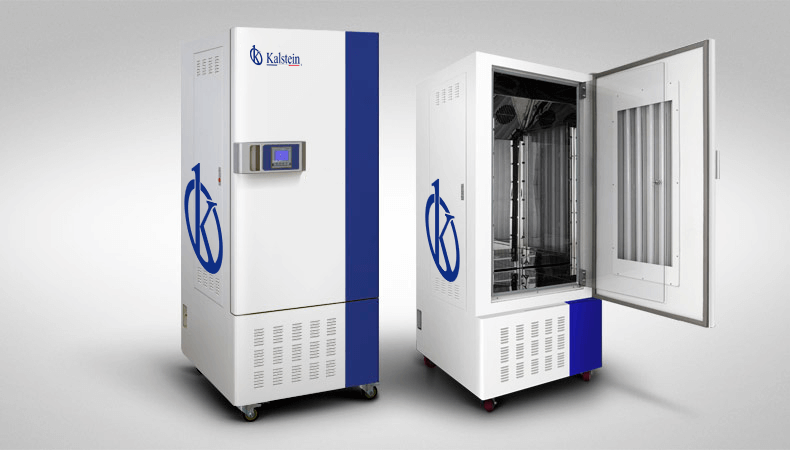
How to Optimize Integration with LIMS in Artificial Climate Chambers?
In the rapidly evolving landscape of laboratory technology, the integration of Artificial Climate Chambers with Laboratory Information Management Systems (LIMS) is becoming increasingly vital. These chambers, such as the Climate Simulation Cameras (YR05347, YR05348, YR05349), are essential for simulating environmental conditions for various applications, including biological tissue experiments and plant growth studies. This article delves deep into the strategies for optimizing this integration, ensuring seamless data flow and improved operational efficiency.
Understanding LIMS Integration in Artificial Climate Chambers
Integrating LIMS with Artificial Climate Chambers enhances data traceability, analysis efficiency, and regulatory compliance. The process ensures that data generated from experiments is directly captured and stored within the LIMS, allowing for real-time monitoring and deeper insights into experimental outcomes. The performances of models like YR05347, YR05348, and YR05349 can be significantly improved through effective integration protocols, ensuring that temperature, humidity, and lighting data is accurately logged.
Key Features of Artificial Climate Chambers Relevant to LIMS Integration
To maximize LIMS integration, it's crucial to understand the features of the Artificial Climate Chambers. For instance, all models offer a temperature range of 10~65 ℃ with illumination and a humidity range of 50~90% RH. This data can be automatically logged in the LIMS for compliance with standards such as ISO 17025.
Comparison of Available Models
| Model | Temperature Range | Humidity Range | Price (USD) | Best for |
|---|---|---|---|---|
| YR05347 | 10~65 ℃ (with lighting) | 50~90% RH | 2745.00 | Cell culture and plant growth experiments |
| YR05348 | 10~65 ℃ (with lighting) | 50~90% RH | 3060.00 | Long-term biological experiments |
| YR05349 | 10~65 ℃ (with lighting) | 50~90% RH | 3420.00 | Insect feeding studies |
Connectivity Protocols for LIMS Integration
Successful integration of Artificial Climate Chambers with LIMS requires the use of standard connectivity protocols like HL7 and ASTM. These protocols facilitate the exchange of information and ensure that data collected during experiments is accurately transmitted to the LIMS. By establishing a bidirectional interface, laboratory professionals can automate data entry, minimizing the risk of human error and enhancing productivity.
Common Mistakes and How to Avoid Them
One common mistake in LIMS integration is neglecting to validate the data pathways. Ensuring that data from the Climate Chambers is accurately reflected in the LIMS is crucial for compliance and operational efficiency. Regular audits and validation checks can help identify discrepancies early, ensuring that the integration remains smooth and effective.
Best Practices for Data Management in Climate Chambers
Adopting best practices in data management includes setting up predefined data formats and ensuring that data synchronization between the Climate Chambers and the LIMS is automatic. Utilizing advanced data management tools within the LIMS can help categorize and analyze the data produced by models like YR05347 efficiently.
Enhancing Efficiency Through Automation
Automation plays a significant role in optimizing LIMS integration with Artificial Climate Chambers. By automating temperature and humidity adjustments based on predefined experimentation parameters, laboratories can save time and reduce errors. This level of automation allows for more reliable experimental outcomes and accelerates the research process.
Regulatory Compliance and LIMS Integration
Compliance with regulatory standards such as ISO 17025 is essential for laboratories. Integrating LIMS with Artificial Climate Chambers ensures that all records are maintained accurately, meeting traceability requirements. This integration can streamline the audit process, making it easier for laboratories to demonstrate compliance during inspections.
Frequently Asked Questions
How can LIMS integration improve data accuracy in Artificial Climate Chambers?
LIMS integration enhances data accuracy by automating the logging of environmental conditions from models like YR05348, ensuring that information is captured in real-time, which minimizes manual entry errors.
What are the main connectivity protocols for integrating LIMS with climate chambers?
Main connectivity protocols for effective integration include HL7 and ASTM, which allow data exchange between the Artificial Climate Chambers and LIMS, ensuring seamless data flow.
How does proper data management affect compliance in climate chamber experiments?
Proper data management through LIMS helps maintain accurate records necessary for compliance with standards like ISO 17025, ensuring traceability and reliability of experimental results from models such as YR05349.
What are the benefits of automating temperature adjustments in climate chambers?
Automating temperature adjustments enhances efficiency and reliability in experiments conducted in Artificial Climate Chambers, such as the YR05347, leading to more consistent results and time savings.
Which model is best for long-term biological experiments and LIMS integration?
The Climate Simulation Camera YR05348 is ideal for long-term biological experiments and facilitates LIMS integration through its robust data logging capabilities, helping ensure compliance and accuracy.
How often should LIMS integration be audited for accuracy?
LIMS integration should be audited regularly, ideally every six months, to ensure accuracy and efficiency, particularly in laboratories using Artificial Climate Chambers to meet stringent regulatory standards.
What role does automation play in reducing operational errors?
Automation significantly reduces operational errors by eliminating manual data entry in LIMS integrated with Artificial Climate Chambers, such as the YR05349, which ensures more reliable and consistent experimental data.
How can laboratories ensure data traceability in their climate chamber experiments?
By integrating LIMS with Artificial Climate Chambers and utilizing standard protocols, laboratories can ensure data traceability, which is crucial for compliance with regulations like ISO 17025.
If you are looking for a fusion of innovation and quality, you have come to the right place. At Kalstein, we offer you the luxury of exploring our exclusive catalog of laboratory equipment. We manufacture every device to the highest standards of excellence. Our intuitive and seamless online purchasing channels are designed for your convenience, securing the most competitive prices. Hesitate no longer — we bring science to life, it is time to become part of our community.