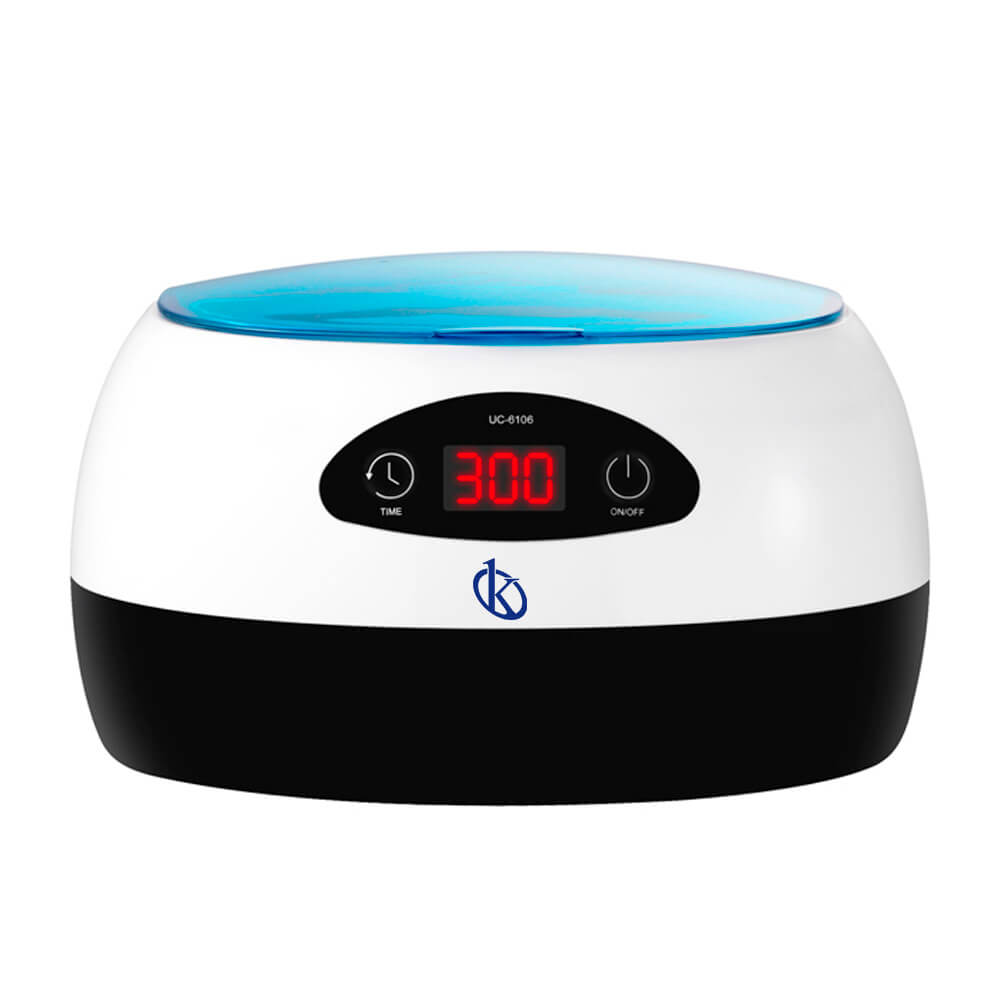
How to Optimize Energy Sustainability with Digital Desktop Ultrasonic Cleaners
Energy sustainability has become a critical focus for laboratories worldwide, as professionals seek to minimize environmental impact while maintaining operational efficiency. Digital desktop ultrasonic cleaners, known for their versatility and effectiveness, can play a vital role in achieving these sustainability objectives. This article explores how various models, including YR05231, YR05232, YR05229, and YR05230, contribute to energy efficiency and reduced environmental footprints.
Understanding Energy Sustainability in Laboratory Settings
Energy sustainability refers to the ability to meet current energy needs without compromising the ability of future generations to meet theirs. In laboratory settings, this involves using equipment that consumes less power, utilizes resources efficiently, and minimizes waste. Digital desktop ultrasonic cleaners are designed to provide effective cleaning while consuming less energy compared to traditional cleaning methods.
Impact of Ultrasonic Cleaning on Environmental Footprint
The environmental footprint of lab equipment includes energy consumption, water usage, and the waste generated from cleaning processes. Ultrasonic cleaners, such as the YR05230, are engineered to operate with lower energy requirements while delivering superior cleaning capabilities. This means less electricity consumption and reduced reliance on harsh chemicals, contributing to lower overall environmental impact.
Key Features Supporting Sustainability
Digital desktop ultrasonic cleaners incorporate several features to enhance sustainability:
- Energy-efficient design: Models like YR05231 utilize industrial-grade components that minimize energy use.
- Programmable settings: Adjustable cleaning cycles allow users to optimize energy consumption based on the specific cleaning task.
- Reduced water consumption: Ultrasonic cleaning processes require minimal water, reducing waste and saving resources.
Comparison of Available Models
| Model | Energy Consumption (W) | Tank Capacity (L) | Best Use Case |
|---|---|---|---|
| YR05231 | 50 | 0.75 | Jewelry Cleaning |
| YR05232 | 60 | 1.4 | Jewelry and Delicate Items |
| YR05229 | 50 | 0.6 | Lens and Small Parts |
| YR05230 | 60 | 2.5 | Dental and Clinical Use |
Common Mistakes and How to Avoid Them
When implementing digital desktop ultrasonic cleaners, laboratories often make common mistakes that hinder their sustainability efforts:
- Overloading the cleaner: This can lead to inefficient cleaning and increased energy consumption. Always adhere to the manufacturer’s guidelines on load capacity.
- Ignoring maintenance: Regular maintenance ensures optimal performance and energy efficiency. Clean and check the equipment regularly to prevent energy loss.
- Inadequate training: Staff should be trained on the proper use of ultrasonic cleaners to maximize their energy efficiency and cleaning capabilities.
Frequently Asked Questions
How can I reduce energy consumption with digital desktop ultrasonic cleaners?
To reduce energy consumption, choose models like YR05231, which operate at 50W and have adjustable cleaning cycles. This allows you to customize cleaning times to the specific needs of your items, optimizing energy use.
What is the environmental impact of using ultrasonic cleaners in laboratories?
Ultrasonic cleaners significantly minimize environmental impact by reducing water usage and chemical waste. For instance, the YR05230 model ensures effective cleaning with less than 2.5 liters of water, promoting a sustainable cleaning process.
Which ultrasonic cleaner is best for energy efficiency in jewelry cleaning?
The YR05231 is particularly effective for jewelry cleaning, operating at just 50W while maintaining a 750ml tank capacity. Its energy-efficient design allows for thorough cleaning with minimal power usage.
How do I determine the right ultrasonic cleaner for my laboratory needs?
Assess your cleaning requirements, including tank capacity and energy consumption. Models such as YR05232 and YR05230 provide specific features tailored for different applications, helping you select the best ultrasonic cleaner.
What maintenance is required for digital desktop ultrasonic cleaners?
Regular maintenance includes cleaning the tank, checking for wear and tear, and ensuring proper settings are used. This practice is crucial to maintain energy efficiency and prolong the lifespan of models like YR05229.
Are there any certifications for energy-efficient ultrasonic cleaners?
Yes, many ultrasonic cleaners comply with environmental standards and certifications for energy efficiency. Ensure the model you select, such as the YR05232, has relevant certifications to guarantee sustainable operation.
What role do ultrasonic cleaners play in reducing chemical waste?
Ultrasonic cleaners, like the YR05230, reduce the need for harsh cleaning chemicals by using ultrasonic waves to break down dirt and debris, leading to lower chemical waste and a more sustainable cleaning process.
How do ultrasonic cleaners compare to traditional cleaning methods?
Ultrasonic cleaners are more efficient than traditional cleaning methods, using less energy and water while providing superior cleaning results. The YR05231 model exemplifies this with its energy-efficient operation and effective cleaning capabilities.
For laboratories committed to enhancing sustainability and reducing their environmental footprint, digital desktop ultrasonic cleaners present a viable solution. Their energy-efficient designs, effective cleaning processes, and minimal resource requirements make them an ideal choice for modern laboratories. If you are looking for a fusion of innovation and quality, you have come to the right place. At Kalstein, we offer you the luxury of exploring our exclusive catalog of laboratory equipment. We manufacture every device to the highest standards of excellence. Our intuitive and seamless online purchasing channels are designed for your convenience, securing the most competitive prices. Hesitate no longer — we bring science to life, it is time to become part of our community.