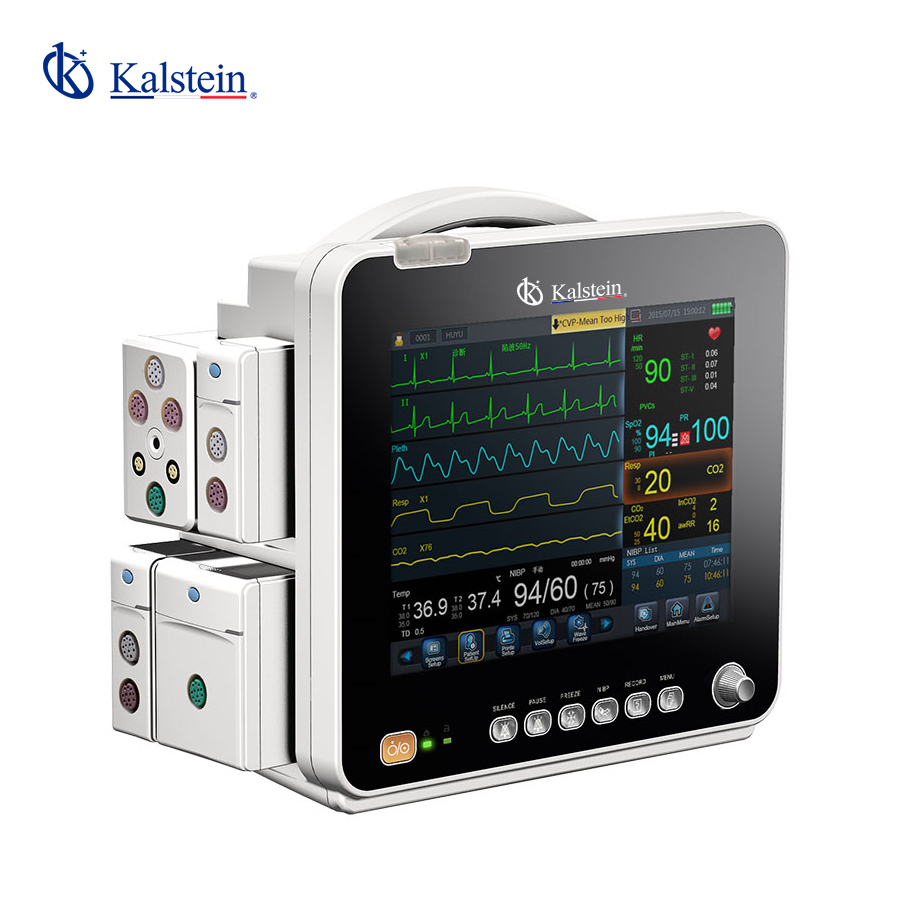
Understanding the Operating Principle and Scientific Fundamentals of the YR02175 Bedside Monitor
The YR02175 Bedside Monitor is a cutting-edge device tailored for patient monitoring in critical care environments. This article delves into the scientific fundamentals behind its operation, exploring the technologies and principles that make it effective in clinical settings.
Overview of the YR02175 Bedside Monitor
The YR02175 Bedside Monitor features a 12.1-inch LCD screen and offers fully modular parameters suitable for use in operating rooms and intensive care units (ICUs). Standard parameters include ECG, SpO2, TEMP, NIBP, RESP, and PR/HR. It is essential for healthcare professionals to understand the operating principles of this monitor to utilize it effectively.
Key Operating Principles of the YR02175
The YR02175 operates on several key scientific principles, which include electrocardiography (ECG), pulse oximetry (SpO2), non-invasive blood pressure (NIBP), respiration monitoring, and temperature monitoring. Each of these functions relies on different physical and physiological principles.
Electrocardiography (ECG)
ECG measures the electrical activity of the heart using electrodes placed on the skin. The YR02175 employs a five-lead system (RA, LA, LL, RL, V) to capture the heart's electrical signals. The primary lead mode enables continuous monitoring, while the system can detect arrhythmias, heart rate variability, and other cardiac abnormalities.
Pulse Oximetry (SpO2)
SpO2 monitoring is based on the principle of light absorption by oxygenated and deoxygenated hemoglobin. The YR02175 utilizes infrared light to measure the percentage of oxygen saturation in the blood, providing critical information about the patient's respiratory status.
Non-Invasive Blood Pressure (NIBP)
The NIBP feature of the YR02175 uses oscillometric measurement techniques to determine blood pressure. An inflatable cuff is placed around the patient's arm, and as it deflates, the monitor detects oscillations in the arterial wall, calculating systolic and diastolic pressures.
Respiration Monitoring
Respiration rates are determined by measuring the impedance changes as the patient breathes. The YR02175 monitors these changes through a configuration that assesses the impedance between electrodes placed on the patient’s body.
Temperature Monitoring
Temperature is measured using a dual-temperature probe that provides accurate readings of the patient’s core body temperature. Understanding normal temperature ranges is critical for identifying potential health issues.
Technical Specifications of the YR02175
| Model | YR02175 |
|---|---|
| Category | Patient Monitor |
| Weight | 6kg |
| Dimensions | 39 x 33.5 x 44.5 cm |
| Price (USD) | $1748.00 |
Scientific Concepts in Monitoring
Understanding the scientific concepts behind each monitoring function enhances the operator's ability to interpret the data accurately. For instance, recognizing how body temperature affects metabolic processes can aid in quick diagnosis and treatment adjustments.
Frequency of Calibration and Maintenance
Regular calibration and maintenance of the YR02175 ensure accurate measurements and prolonged device lifespan. It is recommended to schedule routine checks, including recalibration of the ECG and temperature sensors, to maintain optimal accuracy.
Frequently Asked Questions
What are the standard parameters monitored by the YR02175 Bedside Monitor?
The standard parameters include ECG, SpO2, TEMP, NIBP, RESP, and PR/HR, which provide a comprehensive overview of patient health.
How does the ECG monitoring work in the YR02175?
The ECG function uses electrodes to detect electrical signals from the heart, which are displayed on the monitor for real-time analysis and interpretation.
What is the significance of SpO2 readings?
SpO2 readings indicate the percentage of oxygen saturation in the blood, crucial for assessing respiratory function and oxygen delivery to tissues.
How can one troubleshoot common issues with the YR02175?
Common troubleshooting steps include checking connections, ensuring proper electrode placement, and verifying that the device is calibrated correctly. Refer to the user manual for specific error codes and solutions.
What maintenance is needed for the YR02175 Bedside Monitor?
Regular maintenance includes cleaning, calibration, and software updates to ensure the monitor operates effectively and accurately.
Can the YR02175 be used in a home care setting?
While primarily designed for clinical use, the YR02175 can be utilized in home care settings under specific conditions, depending on patient needs and monitoring requirements.
How do I request a quote for the YR02175?
You can request a quote by contacting our sales team, who will provide you with pricing and purchasing information.
If you are looking for a fusion of innovation and quality, you have come to the right place. At Kalstein, we offer you the luxury of exploring our exclusive catalog of laboratory equipment. We manufacture every device to the highest standards of excellence. Our intuitive and seamless online purchasing channels are designed for your convenience, securing the most competitive prices. Hesitate no longer — we bring science to life, it is time to become part of our community.