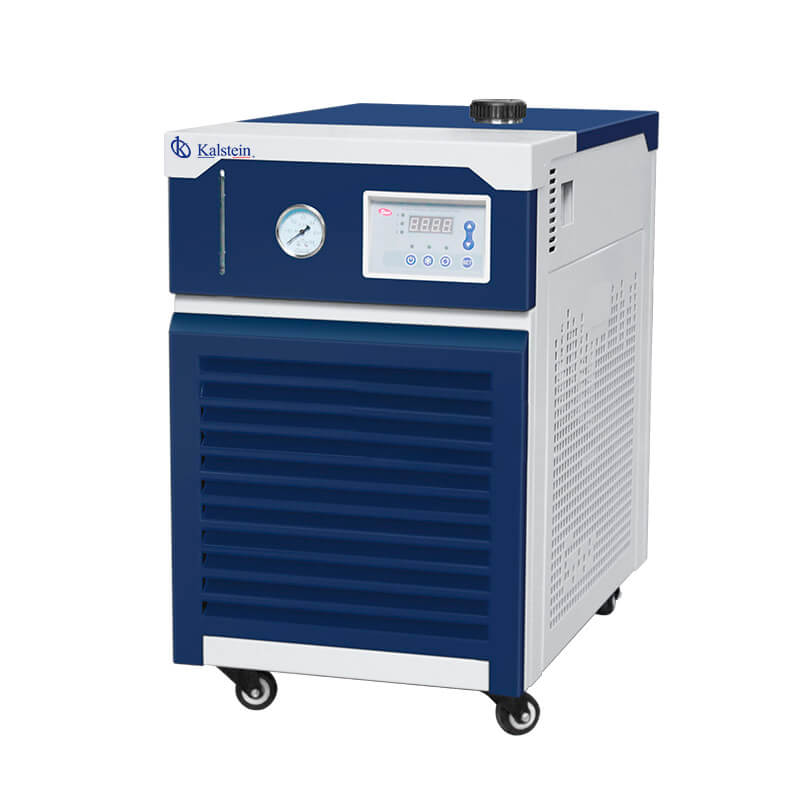
Understanding the Operating Principle and Scientific Foundations of the YR02304 Recirculation Chiller
The YR02304 Recirculation Chiller is a compact and efficient solution for cooling purposes in laboratory environments. Understanding its operating principles and scientific foundations is essential for optimal use and maintenance. This article delves into the critical aspects of how the YR02304 functions, its design considerations, and the underlying scientific theories that drive its performance.
Overview of the YR02304 Recirculation Chiller
The YR02304 is specifically designed for use with rotary evaporators and other laboratory equipment requiring precise temperature control. Its compact design allows it to occupy minimal space while still providing efficient cooling. This section introduces the key features and benefits of the YR02304, highlighting why it is an essential tool in laboratories.
Operating Principle of the YR02304 Chiller
The YR02304 operates based on the principles of thermodynamics and fluid mechanics. At its core, the chiller uses refrigerant R134a to absorb heat from the medium being cooled. The essential cycle involves multiple stages: compression, condensation, expansion, and evaporation.
1. Compression: The refrigerant gas is compressed in the compressor, which raises its pressure and temperature. 2. Condensation: The high-pressure gas then passes through the condenser where it releases heat to the surroundings and transforms into a liquid. 3. Expansion: The liquid refrigerant undergoes a pressure drop as it moves through the expansion valve. 4. Evaporation: Finally, the low-pressure liquid evaporates in the evaporator, absorbing heat from the laboratory equipment, thus achieving the cooling effect.
Key Scientific Foundations
The scientific principles behind the YR02304's operation are rooted in the laws of thermodynamics, particularly the first and second laws. The first law, or the law of energy conservation, states that energy cannot be created or destroyed but can only change forms. In the cooling process, thermal energy is transformed through the refrigerant cycle.
The second law of thermodynamics asserts that heat naturally flows from hot to cold bodies. The YR02304 harnesses this principle by moving the heat away from the equipment to maintain optimal operating conditions.
Technical Specifications of the YR02304
| Model | YR02304 | Brand | Kalstein | Category | Recirculation Chiller |
| Operating Temperature Range | -10 to 25°C | ||||
| Temperature Stability | ± 2°C | ||||
| Power Supply | 220-240V, 50Hz | 3-, 380V, 50Hz | |||
| Filling Volume (L) | 30 | Cooling Capacity (W) | 3000 @ 15°C | Refrigerant | R134a |
| Pumping Flow Rate | 16 L/min | Pressure (bar) | 1-10 | ||
| Pipeline Connection Size | 1/2” | ||||
| Dimensions (mm) | 495 x 760 x 860 | ||||
| Net Weight (kg) | 108 | ||||
Design Considerations of the YR02304
The YR02304 is designed with several important considerations in mind. The compact form factor allows it to fit in various lab environments while providing adequate cooling capacities. The choice of stainless steel and anti-corrosive materials ensures durability and longevity.
Additionally, the 360-degree rotating nozzle enhances usability by allowing easy connections with other equipment, minimizing the risk of leaks and enhancing operational efficiency. These thoughtful design elements contribute significantly to the overall functionality of the YR02304.
Applications in Laboratory Settings
The YR02304 Recirculation Chiller finds extensive applications in a variety of laboratory settings. Primarily, it is used in conjunction with rotary evaporators, where precise temperature control is crucial for efficient solvent evaporation.
Moreover, it can be employed in scenarios requiring consistent temperature maintenance for other laboratory equipment, including spectrometers and analytical instruments. This versatility makes the YR02304 a vital component across various research and industrial applications.
Frequently Asked Questions
What is the cooling capacity of the YR02304 Recirculation Chiller?
The YR02304 has a cooling capacity of 3000 watts at a temperature of 15°C, making it suitable for various laboratory cooling applications.
What refrigerant is used in the YR02304 and why?
The YR02304 uses R134a refrigerant, which is known for its efficiency and lower environmental impact compared to other refrigerants, making it a preferred choice in many laboratory settings.
How does the temperature stability of the YR02304 affect laboratory operations?
The YR02304 offers a temperature stability of ± 2°C, which is crucial for experiments that require precise temperature maintenance to ensure accurate results.
What materials are used in the construction of the YR02304?
The YR02304 is constructed with stainless steel and anti-corrosive macromolecular materials, increasing its durability and resistance to various laboratory conditions.
How does the design of the YR02304 enhance its usability?
The 360-degree rotating nozzle improves accessibility for connecting with other laboratory equipment, thus enhancing operational efficiency and ease of use.
Can the YR02304 be used with different laboratory equipment?
Yes, the YR02304 is versatile and can be effectively used with various laboratory instruments, including rotary evaporators, spectrometers, and other analytical devices requiring temperature control.
What maintenance is required for the YR02304 Recirculation Chiller?
Regular maintenance for the YR02304 includes checking refrigerant levels, inspecting connections for leaks, and ensuring that the condenser is clean for optimal performance.
If you are looking for a fusion of innovation and quality, you have come to the right place. At Kalstein, we offer you the luxury of exploring our exclusive catalog of laboratory equipment. We manufacture every device to the highest standards of excellence. Our intuitive and seamless online purchasing channels are designed for your convenience, securing the most competitive prices. Hesitate no longer — we bring science to life, it is time to become part of our community.