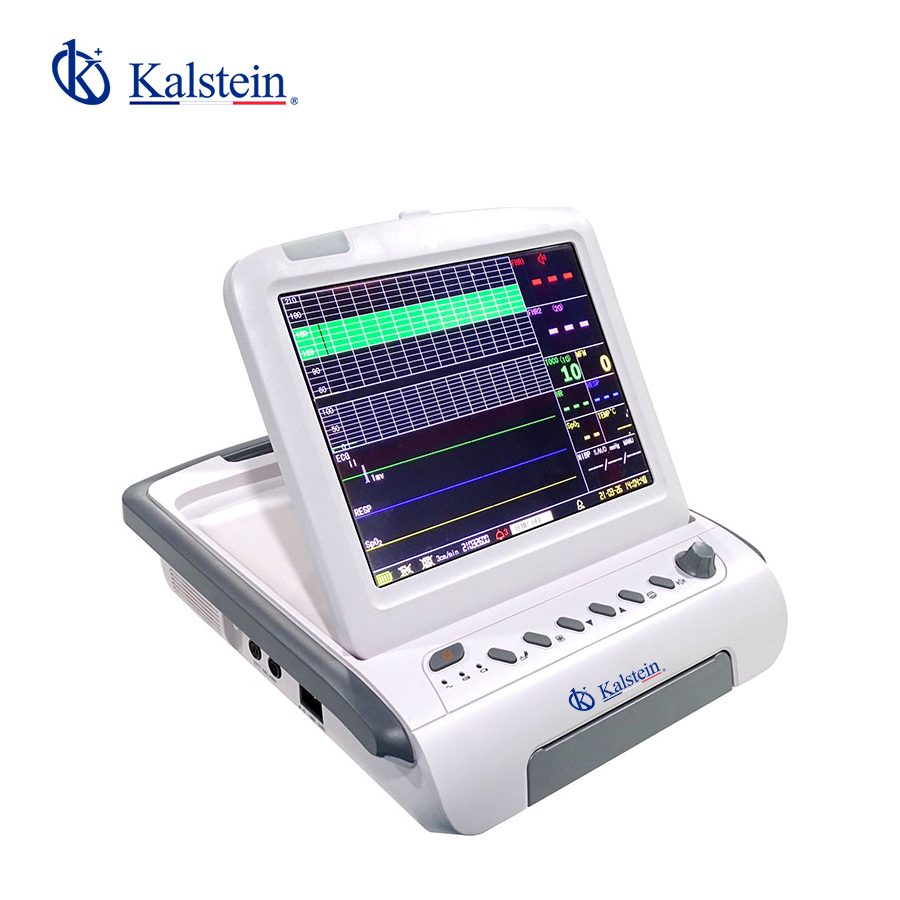
Understanding the Operating Principle and Scientific Foundations of the YR02181 Fetal Doppler Ultrasound Monitor
The YR02181 Fetal Doppler Ultrasound Monitor is a sophisticated medical device designed to monitor fetal heart rates (FHR) and other vital signs during pregnancy. This article delves into the operating principles and scientific foundations that underpin this essential piece of equipment, ensuring that medical professionals can utilize it effectively.
Operating Principle of the YR02181
The YR02181 operates on the principles of Doppler ultrasound technology. This method uses high-frequency sound waves to detect the motion of the fetal heart. When emitted from the monitor, these sound waves reflect off moving objects (in this case, the fetal heart) and return to the device. The frequency shift in the returning sound waves is analyzed to calculate the fetal heart rate.
Key components of the YR02181 include a transducer that emits and receives the ultrasound waves and a display unit that presents the measurements. The technology is non-invasive and provides real-time data, allowing healthcare professionals to monitor fetal well-being continuously.
Scientific Foundations Behind Doppler Ultrasound
Doppler ultrasound is based on the Doppler effect, a principle discovered by physicist Christian Doppler in 1842. The Doppler effect explains how the frequency of waves changes in relation to an observer moving relative to the source of the waves. In medical applications, this effect enables the monitoring of blood flow and heart rates through the changes in pitch of the sound waves detected by the transducer.
For fetal monitoring, the ultrasound waves are emitted at frequencies typically between 1 MHz to 3 MHz. The choice of frequency is crucial; higher frequencies provide better resolution but may have limited penetration, while lower frequencies penetrate deeper but with a lower resolution. The YR02181 achieves a balance with its specific operating frequency, ensuring accurate readings of fetal heart rates.
Technical Specifications of the YR02181
| Model | YR02181 |
|---|---|
| Display | 12.1-inch color TFT screen, 90-degree adjustable |
| Resolution | 800 x 600 |
| Trace Modes | Up to 6 waveform types |
| Standard Configuration | FHR1, TOCO, FM, Recorder |
| Optional Configuration | Fetal Stimulator, FHR2, Cart |
Applications of the YR02181 in Clinical Settings
The YR02181 is invaluable in various clinical settings, particularly in obstetrics and gynecology. It is used to monitor fetal heart rates during routine check-ups, labor, and delivery. The device's ability to provide real-time data helps medical professionals assess fetal well-being and make informed decisions during childbirth.
Moreover, the YR02181 can be integrated with other monitoring equipment, enhancing its utility in complex cases where continuous monitoring is necessary. Its portability also makes it suitable for use in different medical environments, including clinics and hospitals.
Common Issues and Troubleshooting the YR02181
While the YR02181 is designed for reliability, users may occasionally encounter issues. Common problems include inconsistent readings, device not powering on, or error messages. Understanding how to troubleshoot these issues can ensure uninterrupted clinical operations.
| Symptom | Probable Causes | Diagnostic Steps | Solution |
|---|---|---|---|
| Device does not power on | Faulty power supply, dead battery | Check power connections | Replace battery or power supply |
| Inconsistent readings | Improper positioning, low battery | Reposition the transducer | Replace battery and recalibrate |
| Error code E-03 | Transducer malfunction | Inspect the transducer | Replace transducer if necessary |
Frequently Asked Questions
What is the function of the TOCO measurement in the YR02181?
The TOCO measurement in the YR02181 monitors uterine contractions. This data is crucial for assessing labor progression and ensuring fetal well-being during childbirth.
How does the YR02181 ensure accuracy in fetal heart rate monitoring?
The YR02181 utilizes advanced Doppler ultrasound technology, which provides real-time and accurate measurements by analyzing the frequency shifts of ultrasound waves reflected from the fetal heart.
Can the YR02181 record and playback data?
Yes, the YR02181 is equipped to store and playback data, which allows healthcare professionals to review previous measurements and trends over time.
What are the standard and optional configurations for the YR02181?
The standard configuration includes FHR1, TOCO, FM, and recorder settings. Optional configurations may include a fetal stimulator, FHR2, and a mobile cart for enhanced portability.
How can I troubleshoot inconsistent readings on the YR02181?
To troubleshoot inconsistent readings, check the positioning of the transducer and ensure the battery is charged. Repositioning the device may also help achieve more stable readings.
What environment is the YR02181 designed for?
The YR02181 is designed for use in clinical settings, including hospitals and clinics. It operates optimally under standard medical environmental conditions.
What measures should be taken for the maintenance of the YR02181?
Regular maintenance includes checking the transducer for damage, ensuring the device is calibrated correctly, and replacing batteries as needed to maintain optimal performance.
If you are looking for a fusion of innovation and quality, you have come to the right place. At Kalstein, we offer you the luxury of exploring our exclusive catalog of laboratory equipment. We manufacture every device to the highest standards of excellence. Our intuitive and seamless online purchasing channels are designed for your convenience, securing the most competitive prices. Hesitate no longer — we bring science to life, it is time to become part of our community.