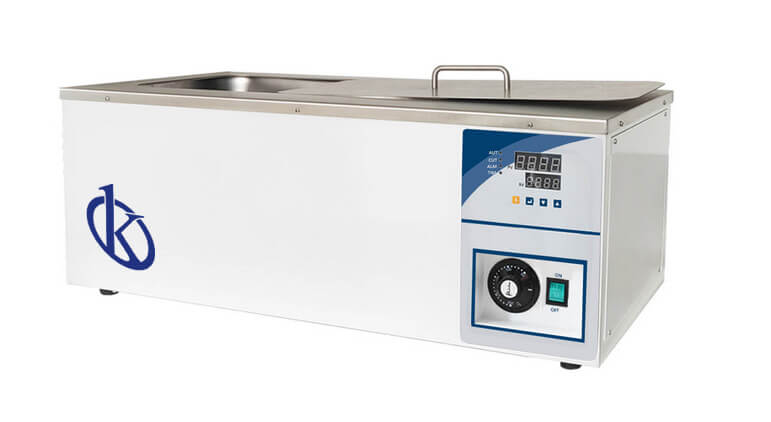
Oil Baths: ROI and Cost-Benefit Analysis for the Lab 2026
In a laboratory setting, the choice of equipment often hinges on return on investment (ROI) and cost-benefit analysis. Oil baths are essential for maintaining precise temperature control in various applications, including bioengineering and chemical industries. Understanding the ROI of different oil bath models can significantly impact lab operations in 2026.
Understanding ROI in Laboratory Oil Baths
Return on investment (ROI) measures the gain or loss generated relative to the investment cost. In laboratory settings, an oil bath's efficiency and capabilities can lead to productivity improvements, thus enhancing ROI. To accurately assess the ROI for oil baths, consider factors like purchase price, operational costs, and the longevity of the equipment.
Key Features of Oil Baths Affecting Cost-Benefit
Oil baths come equipped with various features, including temperature stability, rapid heating, and user-friendliness. These attributes play a crucial role in determining their effectiveness and, consequently, the overall laboratory efficiency. A higher initial investment in advanced models can lead to better performance and reduced operational costs over time.
Case Study of Oil Bath Applications
Consider a laboratory that frequently conducts heating processes for experiments. By using oil baths, they can achieve precise thermal control, leading to improved experiment accuracy. Analyzing the cost of consumables versus the reduced rate of experimental failures can paint a clearer picture of cost-effectiveness and ROI.
Comparison of Available Models
| Model | CAPEX (USD) | Cost per Test (USD) | Payback Period (Months) | Recommended Scenario |
|---|---|---|---|---|
| YR04973 | 150.00 | 3.00 | 5 | Bioengineering labs |
| YR04974 | 165.00 | 2.80 | 4 | Food testing applications |
| YR04975 | 192.00 | 3.20 | 6 | Chemical industries |
| YR04976 | 250.00 | 2.50 | 3 | Gold treatment processes |
Common Mistakes and How to Avoid Them
Laboratories often overlook the importance of assessing total cost of ownership (TCO) versus the initial acquisition cost of equipment. Failing to account for energy consumption, maintenance, and consumables can lead to a skewed ROI analysis. When selecting an oil bath, ensure a comprehensive review of all associated costs to avoid financial pitfalls.
Comparative Cost Analysis of Oil Baths
Energy consumption is another crucial factor in cost-benefit analysis. For instance, the YR04976 may have a higher upfront cost but offers lower energy consumption, which can translate to savings over time. Create a cost matrix to visualize and compare the long-term expenses associated with each model.
FAQ
What is the average payback period for an oil bath in a laboratory?
The average payback period for an oil bath like the YR04974 is approximately four months. This model's efficient heating capabilities facilitate quick returns, making it ideal for food testing applications.
How does energy consumption affect the ROI of oil baths in 2026?
Energy consumption plays a significant role in the ROI of oil baths. Models like the YR04976, which consume less energy, can lead to substantial savings in long-term operational costs, improving the overall ROI.
Which oil bath model is best for bioengineering applications in 2026?
The YR04973 is highly recommended for bioengineering applications due to its precise temperature control and fast heating features, making it suitable for sensitive experiments.
How can I determine the cost per test for my oil bath?
To calculate the cost per test for your oil bath, consider the total operational costs, including energy, maintenance, and consumables, divided by the number of tests conducted. For example, the YR04975 has a cost per test of approximately $3.20.
What factors should I consider for oil bath maintenance costs?
When assessing maintenance costs, consider factors such as the frequency of use, the model's reliability, and the availability of spare parts. For instance, models like the YR04976 are designed for easy maintenance, which can reduce long-term costs.
How does the oil bath's temperature range influence its ROI?
The temperature range significantly influences an oil bath's ROI. For example, the YR04973 has a range of RT +5 to 250°C, catering to various lab needs, thereby enhancing its utility and potential return.
What common mistakes should laboratories avoid when choosing an oil bath?
Common mistakes include neglecting the total cost of ownership and comparing models solely based on initial costs. A comprehensive analysis, including energy efficiency and maintenance, is essential for making an informed decision.
What is the best scenario for using the YR04976 oil bath?
The YR04976 is best suited for gold treatment processes in industries where precise temperature control is crucial for successful outcomes.
If you are looking for a fusion of innovation and quality, you have come to the right place. At Kalstein, we offer you the luxury of exploring our exclusive catalog of laboratory equipment. We manufacture every device to the highest standards of excellence. Our intuitive and seamless online purchasing channels are designed for your convenience, securing the most competitive prices. Hesitate no longer — we bring science to life, it is time to become part of our community.