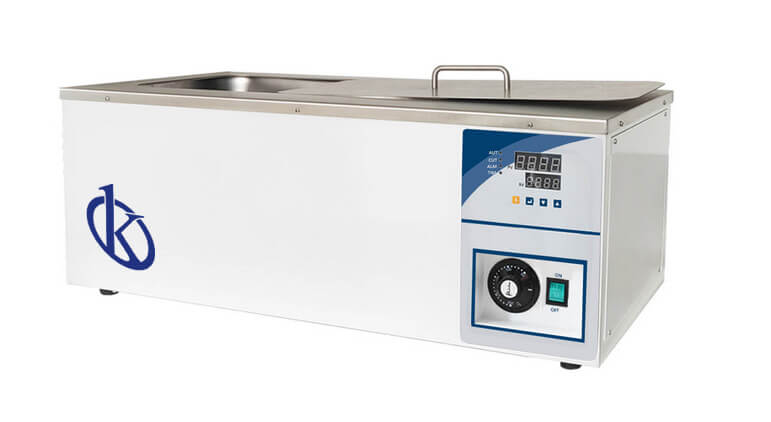
Oil Baths: Practical Applications and Techniques 2026
Oil baths are an essential piece of equipment in various laboratory settings, offering precise temperature control for a variety of applications. In 2026, understanding their use, evolution, and best practices is crucial for laboratory professionals striving for efficiency and accuracy.
What is it used for in 2026
Oil baths are primarily used in laboratories for heating substances to specific temperatures. They are particularly useful in processes requiring stable temperature conditions, such as chemical reactions, distillations, and hot-melt applications. Their dual capability to use both oil and water allows for versatility in temperature control. In industries such as bioengineering, medicine, food technology, and chemical research, oil baths provide the necessary environment for experiments and manufacturing processes.
History and evolution of the technology
The concept of controlled heating in laboratories has evolved significantly since its inception. Initially, water baths were the standard for temperature control, but they often lacked the ability to maintain higher temperatures effectively. The introduction of oil baths addressed this limitation, allowing for a broader range of applications and higher temperature thresholds. Over the years, advancements in digital temperature controls and safety features have made modern oil baths more precise and user-friendly, adapting to the increasing demands of laboratory work.
How to use it step by step
- Set up the device: Place the oil bath on a stable surface, ensuring it is away from flammable materials.
- Fill with oil: Pour the appropriate type of oil into the bath, following the manufacturer's recommendations for the maximum fill level.
- Adjust temperature settings: Use the digital controls to set the desired temperature, allowing the device to reach the set point before placing samples inside.
- Insert samples: Carefully place the samples into the oil bath using appropriate tools to avoid burns and contamination.
- Monitor the process: Regularly check the temperature and stability of the bath throughout the experiment.
- Shutdown: After completing the experiment, turn off the device and allow it to cool down before cleaning and storing.
Best techniques and protocols
When utilizing oil baths, adhering to best practices is crucial for ensuring safety and accuracy:
- Always calibrate the temperature settings before use to ensure accurate readings.
- Utilize a thermometer to monitor the actual temperature inside the bath regularly.
- Use appropriate personal protective equipment (PPE) to prevent burns or spills.
- Ensure that the oil is changed regularly to maintain efficiency and safety.
Practical applications by laboratory type
Oil baths find diverse applications across various laboratory types:
- Bioscience laboratories: For maintaining cell cultures at specific temperatures.
- Chemical labs: In chemical reactions where precise temperature control is crucial.
- Food technology: For testing the properties of oils and fats at various temperatures.
- Educational institutions: Used for teaching laboratory techniques that involve heating chemicals.
Regulations, standards and certifications
Laboratories using oil baths must adhere to safety regulations to prevent accidents. This includes ensuring that devices meet the required standards for electrical equipment, temperature control, and safety features. Regular inspections and certifications from recognized bodies ensure compliance with safety protocols.
Comparison with alternative technologies
While oil baths are versatile, alternatives such as water baths and heating mantles are also popular. Water baths are best for lower temperatures but lack the capability of oil baths for higher temperature applications. Heating mantles offer more focused heating but may not provide the steady temperature range that oil baths offer.
Comparison of available models
| Model | Best for | Key specs | Recommended use case |
|---|---|---|---|
| YR04973 | General heating in various fields | 1000W, 220V, 5~250°C | Biochemical reactions requiring stability |
| YR04974 | Higher volume applications | 1200W, 220V, 5~250°C | Food technology experiments |
| YR04975 | Medium to high temperature applications | 1600W, 220V, 5~250°C | Chemical synthesis processes |
| YR04976 | Industrial applications requiring precision | 2000W, 220V, 5~250°C | Large scale laboratory experiments |
Common mistakes and how to avoid them
Some frequent mistakes include:
- Overfilling the oil bath, which can lead to spills and safety hazards.
- Not allowing the bath to stabilize at the desired temperature before use.
- Ignoring maintenance schedules, leading to equipment malfunction.
Maintenance, calibration and good practices 2026
Regular maintenance is vital for the longevity of oil baths:
- Calibrate the temperature control settings regularly.
- Change the oil based on usage and contamination levels.
- Inspect electrical components for any signs of wear or damage.
Cost-benefit analysis 2026
Investing in an oil bath can be justified through the precision and efficiency it brings to laboratory processes. The initial cost can be mitigated by the improved yield and accuracy in experiments, leading to better overall results. Evaluating the return on investment in terms of increased productivity is essential for decision-making.
Frequently asked questions
What type of oil is best for use in an oil bath?
Using mineral oil is generally recommended due to its high boiling point and stability at elevated temperatures. Always follow manufacturer guidelines for the best type of oil.
How can I ensure the temperature accuracy of my oil bath?
Regular calibration of the internal temperature control and using an external thermometer can enhance accuracy. It's advisable to check the temperature at various points within the bath.
Can oil baths be used for all types of experiments?
While oil baths are versatile, they may not be suitable for experiments requiring specific environments or those involving volatile substances that may react adversely with oil.
How often should I change the oil in my oil bath?
This depends on the frequency of use and the level of contamination. Regular inspections will help determine when the oil should be replaced.
What safety precautions should I take when using an oil bath?
Always wear appropriate PPE, ensure proper ventilation, and keep flammable materials away from the oil bath. It's also crucial to regularly check for leaks.
Is it possible to use an oil bath for solidifying materials?
Yes, oil baths can be used in processes that require solidification under controlled temperatures, such as in certain polymers and waxes.
How do I choose the right model for my laboratory needs?
Assess your specific requirements based on temperature range, capacity, and application type. Comparing models and their specifications will ensure you choose the right one for your needs.
If you are looking for a fusion of innovation and quality, you have come to the right place. At Kalstein, we offer you the luxury of exploring our exclusive catalog of laboratory equipment. We manufacture every device to the highest standards of excellence. Our intuitive and seamless online purchasing channels are designed for your convenience, securing the most competitive prices. Hesitate no longer — we bring science to life, it is time to become part of our community.