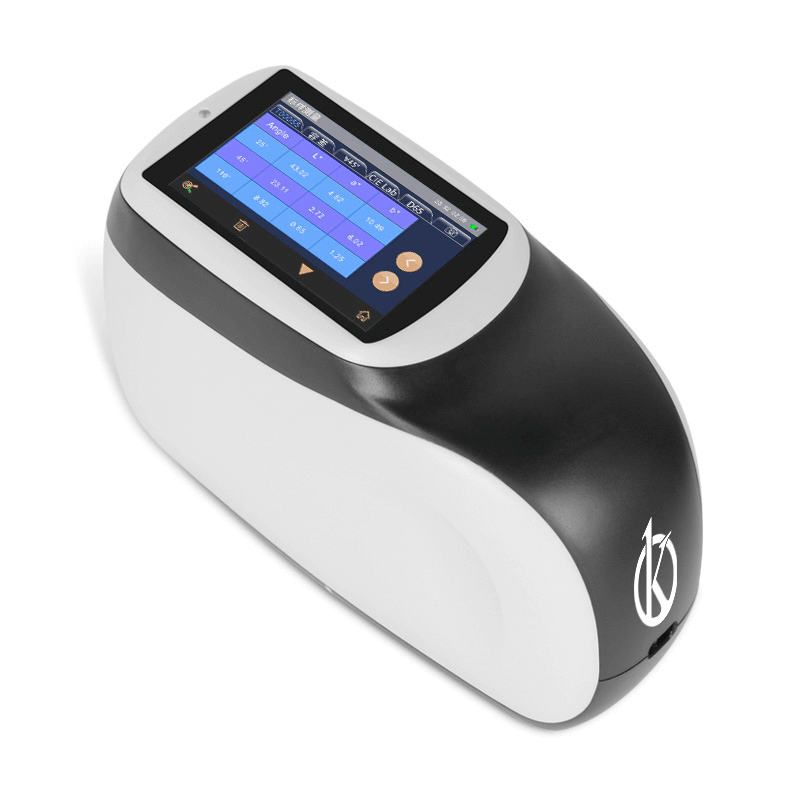
Multiangle Spectrophotometers: Practical Applications and Techniques 2026
Multiangle spectrophotometers play a vital role in modern laboratory settings. Their advanced capabilities allow professionals to perform detailed color measurements from various surfaces, aiding in quality control and analysis.
What is it used for in 2026
In 2026, multiangle spectrophotometers are primarily used in industries such as coatings, textiles, plastics, and printing. They provide accurate color measurement by evaluating how light interacts with surfaces at multiple angles. This capability is essential for assessing color differences that may not be visible under standard measurement conditions. The devices assist laboratories in ensuring that products meet strict color standards, improving quality control processes.
History and evolution of the technology
The development of spectrophotometry dates back to the 19th century, with early instruments focusing on single-angle measurements. The introduction of multiangle technology began in the late 20th century, enhancing measurement accuracy and providing more comprehensive data on color variations. Over the years, advancements in optical systems, light sources, and data analysis have transformed multiangle spectrophotometers into essential tools in laboratory settings.
How to use it step by step
- Preparation: Ensure the multiangle spectrophotometer is calibrated and in good working condition.
- Sample Placement: Position the sample according to the manufacturer's specifications, ensuring it is clean and free from dust.
- Select Measurement Angles: Choose the appropriate angles for measurement based on the sample type.
- Perform Measurement: Activate the device and let it take measurements from the selected angles.
- Data Analysis: Use the software to analyze the collected data and compare it with reference values.
- Documentation: Record the results for quality control documentation and future reference.
Best techniques and protocols
When using multiangle spectrophotometers, some best practices include:
- Consistent sample preparation to avoid contamination.
- Regular calibration of the instrument to maintain measurement integrity.
- Using appropriate measurement angles based on the material properties.
- Implementing a standardized data analysis protocol to ensure uniformity in results.
Practical applications by laboratory type
Multiangle spectrophotometers find practical applications across various laboratory types:
- Clinical Laboratories: Assess color differences in blood samples or urine tests.
- Coatings Laboratories: Monitor color consistency in paint and coatings.
- Textile Laboratories: Evaluate fabric color for dyeing processes.
- Plastics Laboratories: Measure color variations in plastic materials for product quality assurance.
Regulations, standards and certifications
Multiangle spectrophotometers must comply with various international standards to ensure accuracy and reliability. Key standards include ASTM D 2244, E 308, E 1164, and ISO 7724. Laboratories must ensure their devices meet these regulations to maintain certification and trust in their results.
Comparison with alternative technologies
While multiangle spectrophotometers provide detailed color measurements, alternative technologies like single-angle spectrophotometers and colorimeters are also used in laboratories. However, they may lack the ability to analyze complex color variations effectively. Multiangle devices are preferred for their comprehensive measurement capabilities in quality control environments.
Comparison of available models
| Model | Best for | Key specs | Recommended use case |
|---|---|---|---|
| YR05491 | Advanced color measurement | Price: $8730.00, Dimensions: x x | Ideal for coatings and paints with complex color requirements. |
| YR05492 | High precision applications | Price: $13492.00, Dimensions: x x | Best suited for research laboratories needing detailed analysis. |
| YR05488 | Basic color comparison | Price: $2857.00, Dimensions: x x | Useful for small-scale operations in textile color matching. |
| YR05489 | Cost-effective solutions | Price: $4762.00, Dimensions: x x | Suitable for general laboratory applications requiring moderate precision. |
| YR05490 | Versatile measurements | Price: $6032.00, Dimensions: x x | Ideal for industries needing detailed surface analysis. |
Common mistakes and how to avoid them
Common mistakes in using multiangle spectrophotometers include:
- Not calibrating the device regularly, leading to inaccurate results.
- Improper sample handling causing contamination or damage.
- Using incorrect angles that do not represent the sample accurately.
- Failing to document measurements consistently for future reference.
To avoid these issues, ensure regular maintenance, train staff adequately, and establish clear protocols for sample preparation and measurement.
Maintenance, calibration and good practices 2026
To maintain a multiangle spectrophotometer in 2026:
- Conduct regular calibration checks using certified color standards.
- Clean the optical components regularly to prevent dust buildup.
- Ensure that the software is up-to-date for optimal performance.
- Train laboratory personnel on the correct usage and maintenance practices.
Cost-benefit analysis 2026
Investing in a multiangle spectrophotometer can yield significant benefits:
- Enhanced accuracy in color measurement can lead to improved product quality.
- Reduction in waste by ensuring color consistency from batch to batch.
- Long-term savings through increased efficiency in quality control processes.
Though the initial investment may be high, the benefits often outweigh the costs in a well-functioning laboratory environment.
Frequently asked questions
What should I consider when choosing a multiangle spectrophotometer?
Consider factors such as measurement accuracy, the number of angles, and the specific applications your laboratory will focus on. Also, assess the software capabilities for data analysis.
How often should I calibrate my multiangle spectrophotometer?
Calibration should be conducted regularly, ideally before each use or at least once a week, depending on the frequency of usage.
Can I use a multiangle spectrophotometer for all types of materials?
While multiangle spectrophotometers are versatile, the measurement effectiveness may vary with different materials. Always consult the manufacturer's guidelines for the best practices for specific materials.
What are the common applications for multiangle spectrophotometers?
Common applications include color matching in coatings, textiles, plastics, and quality control in various manufacturing processes.
How do I ensure accurate measurements with a multiangle spectrophotometer?
Ensure that samples are clean, calibrated regularly, and measured according to standardized protocols to achieve accurate results.
Is there any software required for data analysis?
Yes, multiangle spectrophotometers typically come with proprietary software for data analysis, which is crucial for interpreting the measurements effectively.
How can I request a quote for these devices?
You can easily request a quote by visiting our dedicated contact page or contacting our sales team directly for assistance.
If you are looking for a fusion of innovation and quality, you have come to the right place. At Kalstein, we offer you the luxury of exploring our exclusive catalog of laboratory equipment. We manufacture every device to the highest standards of excellence. Our intuitive and seamless online purchasing channels are designed for your convenience, securing the most competitive prices. Hesitate no longer — we bring science to life, it is time to become part of our community.