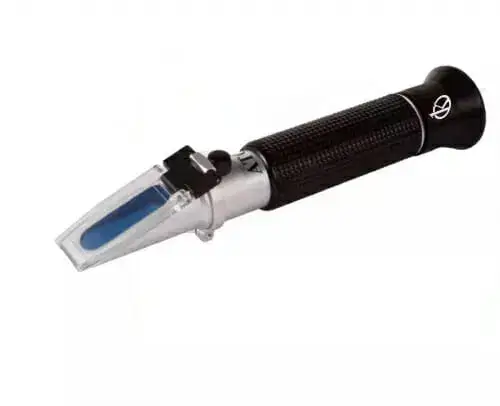
How Miniaturization and Portability Are Transforming Field Laboratory Equipment: A Focus on Car Refractometers
The push towards miniaturization and portability in laboratory equipment is a critical trend influencing the design and functionality of tools like car refractometers. These instruments, essential for analyzing coolant and windshield washer fluid concentrations, are now being designed to be lightweight, compact, and user-friendly, making them indispensable for field applications. This article delves into the advancements, advantages, and considerations of using car refractometers in various environments.
Understanding the Impact of Miniaturization and Portability
Miniaturization refers to the trend of making instruments smaller and more efficient without compromising performance. In the case of car refractometers, this means developing devices that are not only portable but also capable of delivering accurate readings in field conditions. This transition is driven by the increasing need for flexibility and efficiency in laboratory assays performed outside traditional lab settings.
As laboratory professionals face pressures to conduct analyses in situ, the portability of equipment becomes crucial. This portability allows professionals to easily carry instruments to different locations, thus saving time and resources by eliminating the need for transporting samples to lab facilities.
Key Advantages of Miniaturized Car Refractometers
Miniaturized car refractometers offer several advantages, which include:
- Ease of Use: Compact design often allows for simplified operation, enabling less experienced personnel to achieve reliable results.
- Time Efficiency: Performing tests on-site reduces analysis time, allowing quicker decision-making based on real-time data.
- Cost-Effectiveness: Reduces the costs associated with transporting samples back to a lab, streamlining workflow.
Comparative Analysis of Car Refractometer Models
In this section, we will compare several car refractometers, focusing on their specifications and performance metrics relevant to miniaturization and portability.
| Model Code | Measurement Range | Precision | Automatic Temperature Compensation (ATC) | Material | Best for |
|---|---|---|---|---|---|
| YR05916 | E:-60°C--0°C P:-50°C-0°C B:1.100-1.400sg | ±0.01sg ±5°C | Yes | Aluminum | Field analysis of coolant concentrations |
| YR05917 | E:-60°C--0°C P:-50°C-0°C B:1.100-1.400sg | ±0.01sg ±5°C | Yes | Aluminum | Field analysis of windshield washer fluid |
| YR05918 | E:-60°F-32°F P:-50°F-32°F B:1.15-1.30sg | ±0.01sg ±5°F | Yes | Aluminum | Quick checks of antifreeze solutions |
| YR05919 | E:-60°C--0°C P:-50°C-0°C B:1.100-1.400sg | ±0.01sg ±5°C | Yes | Aluminum | Analyzing concentration in cooling systems |
| YR05920 | E:-60°C--0°C P:-50°C-0°C B:1.100-1.400sg | ±0.01sg ±5°C | Yes | Aluminum | Field diagnostics of coolant mixtures |
| YR05921 | E:-60°C--0°C P:-50°C-0°C B:1.100-1.400sg | ±0.01sg ±5°C | Yes | Aluminum | Testing windshield washer solutions |
Common Mistakes and How to Avoid Them
When working with car refractometers, users often encounter several common pitfalls. A frequent mistake involves improper calibration, which can lead to inaccurate readings. To avoid this, regular calibration using appropriate standards is crucial. Additionally, ensuring that the device is cleaned properly after each use will prevent cross-contamination and ensure accurate readings. Users should also be mindful of temperature influences, as using the device outside of its specified temperature range can result in faulty data.
Frequently Asked Questions
What are the benefits of using car refractometers in field analysis?
Car refractometers, such as the YR05916, are designed for portability and ease of use, providing reliable measurements of coolant concentrations on-site, saving both time and resources.
How accurate are car refractometers compared to traditional methods?
Models like the YR05917 offer precision of ±0.01sg, which is comparable to traditional methods, making them ideal for field use without sacrificing accuracy.
Which model of car refractometer is best for analyzing windshield washer fluid?
The YR05918 model is excellent for analyzing windshield washer fluid as it provides reliable readings in varying conditions, ensuring field effectiveness.
How should I maintain my car refractometer for optimal performance?
Regular calibration and cleaning after each use are essential for models like the YR05919 to maintain performance and ensure precise measurements in field conditions.
Can car refractometers be used in extreme temperatures?
Models such as the YR05920 are designed with ATC, making them suitable for use in extreme temperatures, facilitating accurate readings in various environments.
What is the typical lifespan of a car refractometer?
The lifespan of car refractometers like the YR05921 generally ranges from 5 to 10 years, depending on usage, maintenance, and environmental conditions.
How do I choose the right car refractometer for my needs?
Identifying your specific field applications, such as the need for ATC, precision, and measurement range, will help you choose the right model, such as the YR05916 for automotive coolant analysis.
What is the cost range for car refractometers?
Car refractometers typically range from $9.50 for basic models to higher prices for advanced features, ensuring options for various budgets and needs.
If you are looking for a fusion of innovation and quality, you have come to the right place. At Kalstein, we offer you the luxury of exploring our exclusive catalog of laboratory equipment. We manufacture every device to the highest standards of excellence. Our intuitive and seamless online purchasing channels are designed for your convenience, securing the most competitive prices. Hesitate no longer — we bring science to life, it is time to become part of our community.