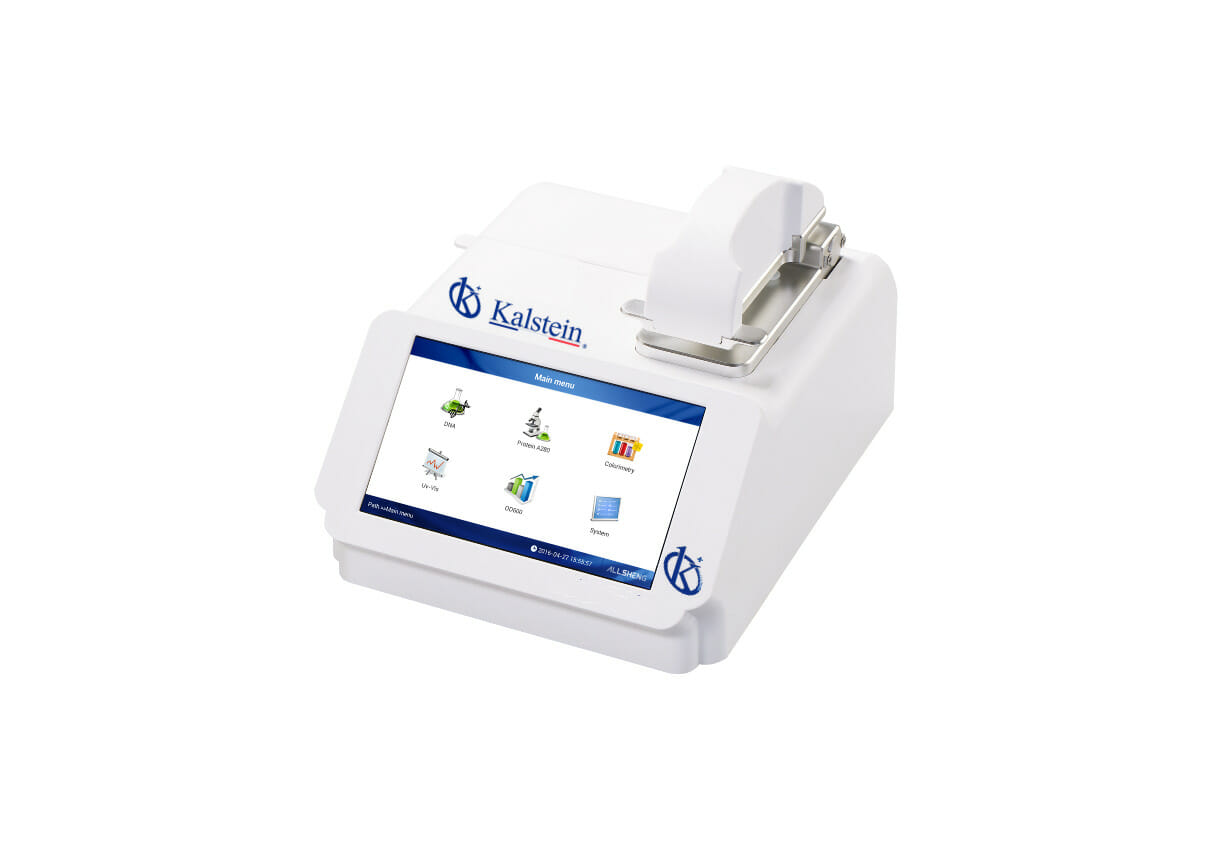
Micro-Spectrophotometers: Practical Applications and Techniques 2026
What is it used for in 2026
Micro-spectrophotometers are essential tools in modern laboratories, primarily utilized for analyzing the concentration and purity of nucleic acids and proteins. In 2026, their application extends beyond traditional uses, encompassing advanced techniques for real-time monitoring of samples in various fields such as molecular biology, biochemistry, and environmental science. They are particularly valuable for measuring small sample volumes, often as low as 0.5 microliters, making them ideal for high-throughput settings where sample availability is limited.
History and evolution of the technology
The evolution of micro-spectrophotometry can be traced back to the advent of spectrophotometric techniques in the late 19th century. Initial models required large sample volumes and were cumbersome, primarily serving academic and industrial research. With advancements in optical technology, the transition to micro-spectrophotometers began in the early 2000s, showcasing the ability to analyze micro-volumes efficiently. Improvements in detection technologies, such as CCD and photodiode sensors, have further refined precision and accuracy, leading to widespread adoption in laboratories by 2026.
How to use it step by step
Using a micro-spectrophotometer typically involves the following steps:
- Preparation: Ensure the device is calibrated and functioning correctly. Clean the sample area to avoid contamination.
- Sample Collection: Collect the required sample volume (usually between 0.5 and 2 μl) using appropriate pipetting techniques.
- Sample Placement: Place the sample on the measurement pedestal, ensuring even distribution to avoid bubbles.
- Data Input: Select the analysis mode on the touchscreen interface, such as nucleic acid concentration or protein absorbance.
- Measurement: Initiate the measurement process, allowing the device to process the sample and display results.
- Data Analysis: Interpret the output data, often visible on the LCD screen, and save or export the results as needed.
- Clean-up: Clean the measurement area after use to maintain device integrity and accuracy for future measurements.
Best techniques and protocols
For optimal performance, follow these best practices when using micro-spectrophotometers:
- Regular calibration to ensure measurement accuracy.
- Always use fresh, high-quality reagents and samples.
- Implement standardized protocols for sample handling to minimize variability.
- Use appropriate dilution strategies for samples that exceed the device’s absorbance range.
- Document all measurements and conditions meticulously for reproducibility.
Practical applications by laboratory type
Micro-spectrophotometers find varied applications across different laboratory settings:
- Academic Research: Used for quantifying nucleic acids and proteins in molecular biology experiments.
- Clinical Laboratories: Essential for analyzing samples in diagnostics, particularly for genetic testing.
- Environmental Testing: Applied in monitoring pollutants and other substances in water or soil samples.
- Biotechnology: Facilitates the development of pharmaceuticals through accurate measurement of biomolecules.
Regulations, standards and certifications
Micro-spectrophotometers must comply with various industry regulations to ensure reliability and safety. In 2026, laboratories are typically required to adhere to:
- ISO/IEC 17025: Standard for testing and calibration laboratories.
- Good Laboratory Practice (GLP) guidelines to maintain quality assurance in research.
- CE marking for compliance with European health and safety standards.
Comparison with alternative technologies
While micro-spectrophotometers excel in measuring small sample volumes, alternative technologies exist:
- Nanodrop: Offers a similar micro-volume analysis but may lack the precision of high-end micro-spectrophotometers.
- Fluorometers: Used for specific fluorescent assays, but require larger volumes and may not directly measure absorbance.
- Traditional Spectrophotometers: Can handle larger samples but are less efficient for micro-volume analysis due to higher sample requirements.
Comparison of available models
| Model | Best for | Key specs | Recommended use case |
|---|---|---|---|
| YR06033-1 | Comprehensive nucleic acid and protein analysis | 200-800 nm, 0.5-2.0 μl sample size, USB output | Ideal for rapid sample analysis in research laboratories. |
| YR06034 | Basic nucleic acid measurement | 260 nm, 1-2.0 μl sample size, USB output | Best for educational settings and basic research. |
| YR06035 | Advanced nucleic acid and bacterial analysis | 200-800 nm, 0.5-2.0 μl sample size, USB output | Suitable for microbiology labs needing bacterial concentration measurements. |
| YR06033 | Comprehensive measurement versatility | 190-1100 nm, 1 μl minimum sample size | Perfect for labs requiring a wide range of analysis capabilities. |
Common mistakes and how to avoid them
Many users may encounter errors while operating micro-spectrophotometers. Here are common mistakes and prevention strategies:
- Incorrect Sample Volume: Always adhere to the minimum and maximum sample volume requirements to prevent erroneous readings.
- Ignoring Calibration: Regularly calibrate the device to maintain accuracy.
- Overloading the Sample Area: Avoid placing too large a sample on the measurement pedestal; this can lead to inaccurate results.
- Neglecting Maintenance: Follow maintenance guidelines to keep the device functioning optimally.
Maintenance, calibration and good practices 2026
To ensure longevity and performance of micro-spectrophotometers, follow these guidelines:
- Perform daily cleaning of the sample area and exterior surfaces.
- Calibrate the device at regular intervals, ideally before critical measurements.
- Store the device in a controlled environment free from extreme temperatures and humidity.
- Keep detailed logs of maintenance and calibration activities.
Cost-benefit analysis 2026
Investing in a micro-spectrophotometer requires careful consideration of costs versus benefits:
- Initial Investment: Prices vary based on features, with basic models starting around $2,520 and advanced models reaching up to $7,500.
- Operational Cost Savings: Reduced reagent usage and sample volumes lead to lower ongoing costs.
- Improved Efficiency: Faster analysis times enhance lab throughput, justifying initial investments.
- Versatility: The ability to conduct multiple analyses on a single device maximizes laboratory resource utilization.
Frequently asked questions
What sample volume is needed for a micro-spectrophotometer?
Most micro-spectrophotometers require a sample volume between 0.5 to 2 microliters, depending on the model and the specific analysis being conducted.
How often should I calibrate my micro-spectrophotometer?
It is recommended to calibrate your micro-spectrophotometer before critical measurements and at regular intervals to ensure accuracy.
Can I measure both DNA and proteins with the same device?
Yes, most modern micro-spectrophotometers are designed to measure both nucleic acids and proteins, making them versatile for various laboratory applications.
What are common errors when using micro-spectrophotometers?
Common errors include using incorrect sample volumes, neglecting calibration, and overloading the measurement area, all of which can result in inaccurate readings.
Is maintenance required for micro-spectrophotometers?
Yes, regular maintenance such as cleaning the sample area and performing calibration is crucial for the longevity and accuracy of the device.
What is the cost range for micro-spectrophotometers?
The cost for micro-spectrophotometers ranges from approximately $2,520 for basic models to around $7,500 for advanced models, depending on their features and capabilities.
Where can I request a quote for micro-spectrophotometers?
To obtain a quote for micro-spectrophotometers or to explore our product offerings, please contact our sales team at Kalstein for assistance.
If you are looking for a fusion of innovation and quality, you have come to the right place. At Kalstein, we offer you the luxury of exploring our exclusive catalog of laboratory equipment. We manufacture every device to the highest standards of excellence. Our intuitive and seamless online purchasing channels are designed for your convenience, securing the most competitive prices. Hesitate no longer — we bring science to life, it is time to become part of our community.