How Can Micro-Spectrophotometers Contribute to Energy Sustainability and Environmental Impact Reduction?
In the landscape of modern laboratories, the role of energy sustainability and minimizing environmental impact has become paramount. Micro-spectrophotometers, through their innovative technologies, are at the forefront of this movement, providing the precision needed for biochemical analysis while adhering to sustainability practices. This article aims to delve into how these devices can play a crucial role in promoting energy efficiency and minimizing ecological footprints in laboratory environments.
Understanding Micro-Spectrophotometers and Their Role in Energy Sustainability
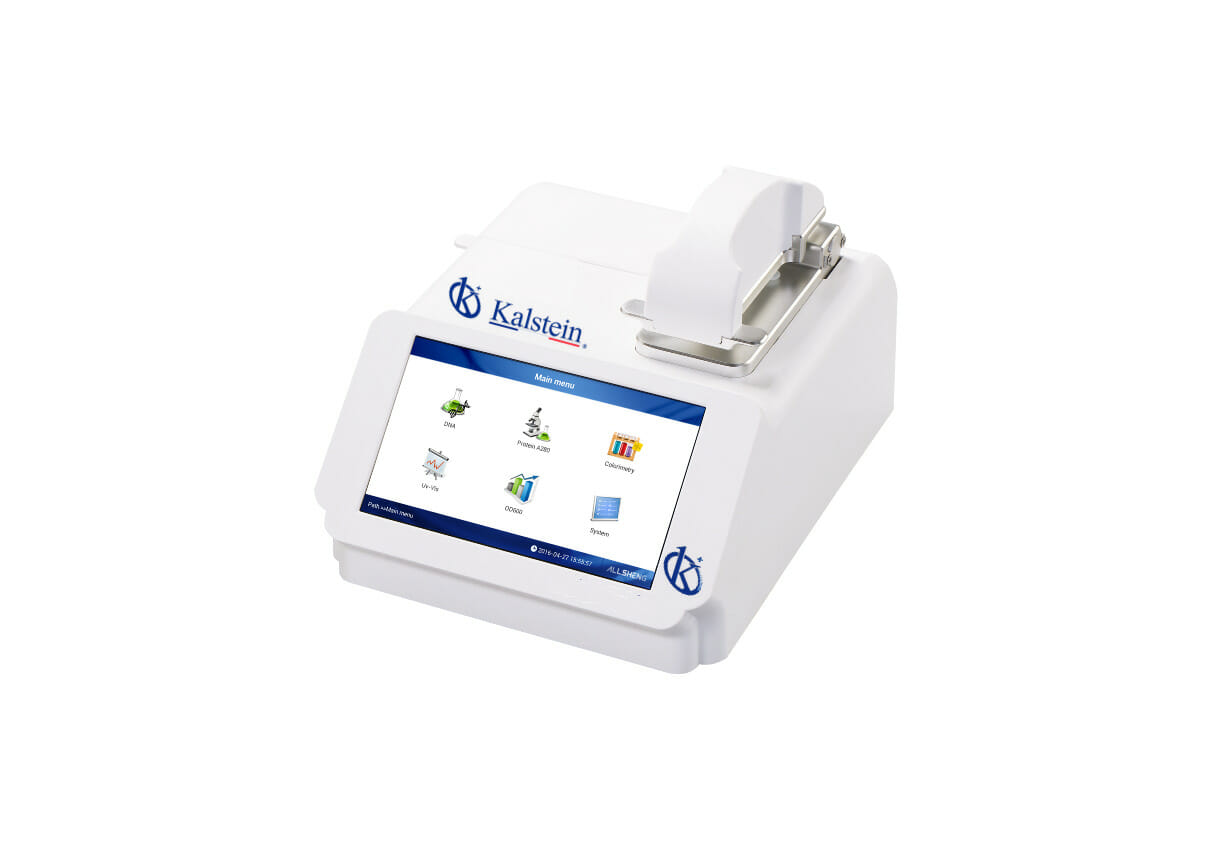
Micro-spectrophotometers are versatile instruments designed for the analysis of samples with very small volumes, typically between 0.5 and 2 μl. Their primary function is to measure the absorbance of light by a sample at various wavelengths, allowing researchers to determine concentrations of nucleic acids and proteins. As laboratories increasingly focus on reducing their environmental impact, the choice of equipment, such as micro-spectrophotometers, has significant implications for energy use and sustainability.
These devices generally require less sample material than traditional spectrophotometers, promoting sustainability by minimizing the consumption of reagents and biological materials. Furthermore, many modern micro-spectrophotometers are designed with energy-efficient components, including LED and xenon flash lamps, which consume less power compared to conventional light sources. This reduction in energy consumption directly correlates with lower carbon footprints associated with laboratory operations.
Comparative Analysis of Energy Efficiency in Micro-Spectrophotometers
| Model | Power Source | Energy Consumption | Advantages in Sustainability |
|---|---|---|---|
| YR06033-1 | Xenon flash lamp | 80-100W | High-speed measurements with minimal sample waste |
| YR06034 | LED | Lower than traditional lamps | Minimal energy consumption with rapid results |
| YR06035 | Xenon flash lamp | 80-100W | Full spectrum analysis with reduced reagents |
| YR06033 | Xenon lamp | 80-100W | Compact design enhancing mobility and use efficiency |
The table above provides a comparison of various micro-spectrophotometer models, highlighting their power sources, energy consumption, and advantages in sustainability. For instance, the YR06034 model utilizes LEDs, which are known for their energy efficiency, thus representing a significant step towards reducing laboratory energy consumption.
Reagent and Waste Reduction Through Micro-Spectrophotometer Use
One of the most significant benefits of micro-spectrophotometers is their ability to analyze samples with minimal reagent requirements. As laboratories strive for greener practices, reducing the volume of reagents used not only lowers costs but also decreases the environmental burden associated with waste disposal. For example, the YR06034 model requires only 1-2 μl of sample, which significantly lessens the chemical footprint in experiments.
Additionally, by utilizing micro-spectrophotometers, laboratories can adopt more sustainable practices that lead to less hazardous waste generation. This is critical in fields where the disposal of biohazardous materials is regulated and costly. By minimizing sample size, these instruments help labs align with sustainability protocols and regulations.
Lifecycle Assessment of Micro-Spectrophotometers
Conducting a lifecycle assessment (LCA) of laboratory equipment is essential for understanding their environmental impact. This assessment evaluates the energy and resource demand throughout the product's lifecycle, from manufacturing and operation to disposal or recycling. Micro-spectrophotometers typically have a longer operational life compared to traditional spectrophotometers, reducing the frequency of replacements and thus minimizing waste.
Devices like the YR06035, with enhanced durability and efficiency, contribute to a lower LCA by not only requiring less energy during operation but also by being designed for longevity and reliability. This life extension directly supports sustainable practices within laboratory settings.
Implementing Energy-Efficient Protocols in Laboratory Settings
To maximize the energy efficiency of micro-spectrophotometers, laboratories should implement protocols designed to reduce energy consumption further. This can include scheduling maintenance to ensure optimal performance, utilizing energy-efficient settings when available, and training laboratory staff on best practices for using these devices.
Moreover, by integrating these instruments into a broader strategy of energy management, labs can track energy use, set targets for reduction, and foster a culture of sustainability. This approach not only enhances operational efficiency but also contributes to compliance with energy sustainability standards and regulations.
Comparison of Available Models
| Model | Wavelength Range | Minimum Sample Size | Price (USD) | Best Use Case |
|---|---|---|---|---|
| YR06033-1 | 200-800 nm | 0.5-2.0 μl | 5040.00 | General analysis of nucleic acids and proteins |
| YR06034 | 260, 280 nm | 1-2.0 μl | 2520.00 | Basic nucleic acid concentration measurement |
| YR06035 | 200-800 nm | 0.5-2.0 μl | 6090.00 | Research applications requiring full spectrum analysis |
| YR06033 | 190-1100 nm | 1.0 μl | 7500.00 | Advanced biochemical analysis |
This comparison of the available micro-spectrophotometer models details their respective capabilities and price points, allowing laboratory professionals to select the most appropriate model for their energy sustainability goals.
Common Mistakes and How to Avoid Them
In the quest for energy efficiency and sustainability, laboratories may overlook some critical factors when selecting micro-spectrophotometers. A common mistake is failing to consider the total cost of ownership, which includes not only the initial purchase price but also operational energy costs and reagent consumption.
Another frequent oversight is neglecting to implement proper calibration and maintenance schedules. Regular checks ensure that instruments operate at peak efficiency, which is essential for minimizing energy consumption and extending the life of the device. Training staff on sustainable practices related to the use and maintenance of these instruments is also vital.
Frequently Asked Questions
How can micro-spectrophotometers reduce energy consumption in labs?
Micro-spectrophotometers, like the YR06034 model, utilize energy-efficient LEDs which significantly lower power consumption compared to traditional spectrophotometers. This contributes directly to reducing the overall energy footprint of laboratory operations.
What is the environmental impact of using conventional spectrophotometers versus micro-spectrophotometers?
Conventional spectrophotometers often require larger sample volumes and more reagents, leading to higher waste generation and energy consumption. In contrast, micro-spectrophotometers, such as the YR06035, are designed for minimal sample use and energy-efficient operation, which helps in lowering environmental impacts.
Which micro-spectrophotometer is best for sustainable laboratory practices?
The YR06034 model is particularly well-suited for sustainable laboratory practices due to its low energy requirements and ability to analyze small sample sizes, thereby reducing reagent waste and overall environmental footprint.
How do I calculate the energy efficiency of my laboratory equipment?
To calculate the energy efficiency of laboratory equipment, you can measure the power consumption during operation against the output performance. For models like the YR06033-1, monitoring energy usage during standard tests can provide valuable data for assessing overall efficiency.
What are the best practices for maintaining energy-efficient micro-spectrophotometers?
Best practices include regular maintenance checks, ensuring proper calibration, and using energy-saving modes. Models such as YR06035 often feature settings that optimize energy consumption without compromising performance.
How does reagent usage impact environmental sustainability in spectroscopy?
Reagent usage directly impacts sustainability as less reagent not only reduces costs but also minimizes hazardous waste. Micro-spectrophotometers like the YR06034 require minimal sample volumes, thus supporting greener lab practices.
What features should I look for in a micro-spectrophotometer for energy sustainability?
Look for features such as low power consumption, sample volume requirements, and energy-efficient light sources. The YR06035, for example, provides excellent energy efficiency while offering high-performance analysis capabilities.
Where can I find the most energy-efficient micro-spectrophotometers?
You can find the most energy-efficient micro-spectrophotometers in specialized laboratory equipment catalogs or by consulting with manufacturers like Kalstein, which focus on sustainability and innovative technologies in their product range.
If you are looking for a fusion of innovation and quality, you have come to the right place. At Kalstein, we offer you the luxury of exploring our exclusive catalog of laboratory equipment. We manufacture every device to the highest standards of excellence. Our intuitive and seamless online purchasing channels are designed for your convenience, securing the most competitive prices. Hesitate no longer — we bring science to life, it is time to become part of our community.