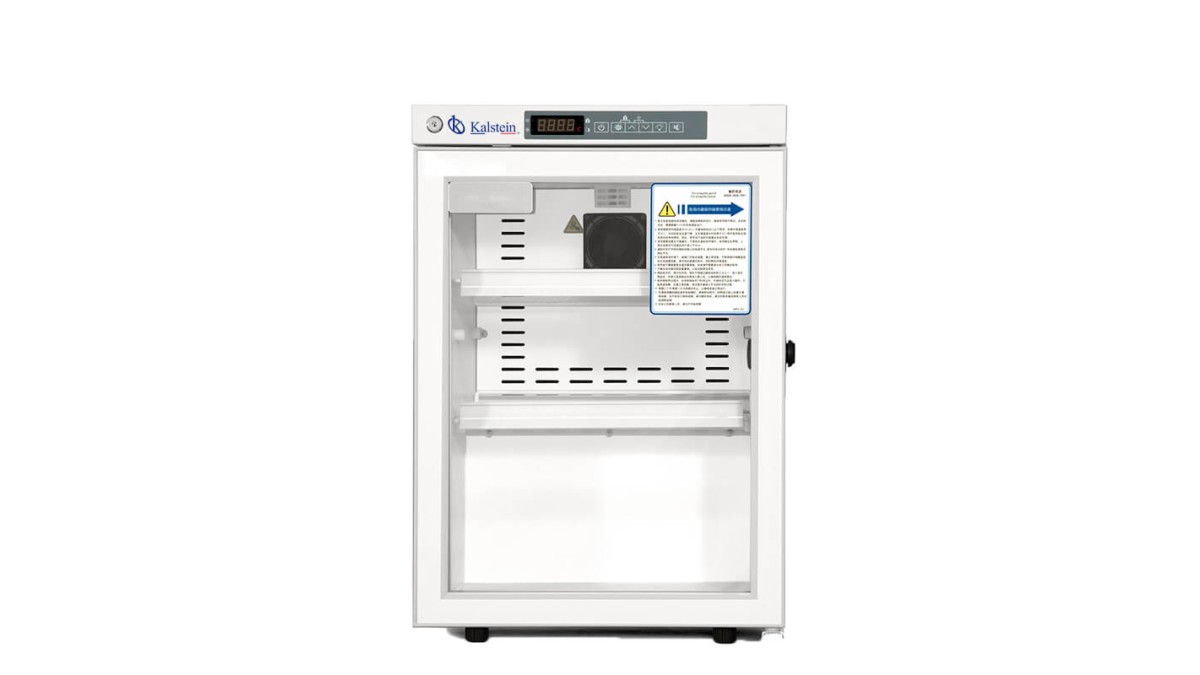
Medical Refrigerators: Applications in Research, Biotechnology, and Academia 2026
Medical refrigerators are critical in maintaining the integrity of temperature-sensitive materials in research, biotechnology, and academic settings. This article aims to provide laboratory professionals with a comprehensive understanding of the applications, techniques, and best practices related to medical refrigerators in 2026.
What is it used for in 2026
Medical refrigerators are primarily used to store biological samples, pharmaceuticals, vaccines, and other temperature-sensitive materials. In 2026, the increasing need for precise temperature control in laboratories highlights the importance of these devices. They ensure that samples remain viable and effective by preventing degradation caused by improper storage conditions. Laboratories utilize medical refrigerators to securely store materials that require a temperature range of 2°C to 8°C, thereby supporting advancements in research and healthcare.
History and evolution of the technology
The evolution of refrigeration technology dates back to the mid-18th century, with the development of the first artificial refrigerants. Over the years, advancements in compressor designs, insulation materials, and temperature monitoring systems have significantly improved the efficiency and reliability of medical refrigerators. In recent years, the focus has shifted towards energy efficiency and enhanced safety features, such as alarm systems for temperature fluctuations and power failures, making modern medical refrigerators indispensable in laboratory environments.
How to use it step by step
Using a medical refrigerator effectively involves several key steps:
- Installation: Position the refrigerator in a well-ventilated area away from direct sunlight and heat sources.
- Temperature Setting: Adjust the temperature settings according to the requirements of the materials being stored.
- Loading Samples: Ensure that samples are placed in the refrigerator without overcrowding to allow proper air circulation.
- Monitoring: Regularly check the temperature using the built-in digital display and ensure alarm systems are functional.
- Documentation: Maintain a log of temperature readings and any incidents that occur during storage.
- Regular Maintenance: Schedule periodic maintenance checks to ensure optimal functionality.
Best techniques and protocols
To maximize the effectiveness of medical refrigerators, laboratories should adopt the following techniques and protocols:
- Temperature Calibration: Regularly calibrate the temperature sensors to ensure accuracy.
- Minimize Door Openings: Reduce the frequency and duration of door openings to maintain stable internal temperatures.
- Organized Storage: Use clear labeling and organization methods to easily locate samples and prevent unnecessary handling.
- Backup Power Systems: Implement backup power solutions to protect stored materials during power outages.
- Regular Audits: Conduct audits to ensure compliance with storage protocols and regulations.
Practical applications by laboratory type
Different types of laboratories utilize medical refrigerators for various applications:
- Research Laboratories: Storing biological specimens and reagents for experiments.
- Biotechnology Laboratories: Preserving genetically modified organisms and other sensitive materials.
- Academic Institutions: Maintaining samples for student research projects and educational purposes.
- Pharmaceutical Companies: Safeguarding vaccines and medications requiring strict temperature control.
Regulations, standards and certifications
Medical refrigerators must comply with various regulations and standards to ensure safety and reliability. Key certifications to consider include:
- ISO 13485 for quality management systems in medical devices.
- FDA regulations for devices used in healthcare settings.
- CE marking for products sold in European markets, indicating conformity with health and safety standards.
Comparison with alternative technologies
When comparing medical refrigerators to alternative technologies, such as conventional refrigerators and freezers, the following points are notable:
- Temperature Range: Medical refrigerators provide precise temperature control (2°C to 8°C) specifically designed for sensitive materials, whereas conventional refrigerators may not maintain this range consistently.
- Alarm Systems: Medical refrigerators are equipped with advanced alarm systems that alert users to any temperature deviations or power failures, unlike standard units.
- Energy Efficiency: Modern medical refrigerators are engineered for low energy consumption, making them more cost-effective for long-term use.
Comparison of available models
| Model | Best for | Key specs | Recommended use case |
|---|---|---|---|
| YR05083 | General laboratory use | 220V, 72W, R600a, 2-8°C | Storing biological samples and reagents |
| YR05085 | Pharmaceutical storage | 220V, 280W, R134a, 2-8°C | Preserving vaccines and medications |
| YR05086 | Research applications | 220V, 385W, R600a, 2-8°C | Storing samples for experiments |
| YR05087 | Biotechnology labs | 220V, 425W, R600a, 2-8°C | Holding genetically modified organisms |
| YR05286-1 | Pharmacy storage | 220V, 480W, R600a, 2-8°C | Storing pharmaceuticals safely |
| YR05288 | Medical applications | 220V, 260W, R290/R600a, 2-8°C | Maintaining vaccines and cold chain products |
Common mistakes and how to avoid them
Laboratories often encounter several common mistakes when utilizing medical refrigerators. To avoid these pitfalls, consider the following:
- Overloading: Do not overcrowd the refrigerator, as this can obstruct airflow and affect temperature stability.
- Ignoring Alarms: Always respond promptly to alarm notifications to prevent temperature excursions.
- Neglecting Maintenance: Schedule regular maintenance to ensure optimal operation and compliance with safety standards.
- Improper Temperature Settings: Verify and set the correct temperature range before placing items inside the refrigerator.
Maintenance, calibration and good practices 2026
Effective maintenance and calibration practices include:
- Routine Calibration: Perform calibration of the temperature monitoring system every 6 months.
- Regular Cleaning: Keep the interior and exterior of the refrigerator clean to prevent contamination.
- Temperature Mapping: Conduct temperature mapping studies to verify uniformity across the storage space.
- Training Personnel: Ensure that all staff are trained in proper usage and emergency procedures of the refrigerator.
Cost-benefit analysis 2026
When evaluating the cost-benefit of medical refrigerators, consider the following factors:
- Initial Investment: Assess the upfront costs of purchasing a medical refrigerator against the potential for loss due to spoilage without one.
- Operational Costs: Calculate energy consumption, maintenance, and calibration expenses over time.
- Long-term Benefits: Factor in the increase in sample viability and the reduction in waste due to proper storage.
Frequently asked questions
What is the ideal temperature range for medical refrigerators?
The ideal temperature range for medical refrigerators is typically between 2°C and 8°C, ensuring that sensitive materials are stored under optimal conditions.
How often should I calibrate my medical refrigerator?
Medical refrigerators should be calibrated at least every six months to ensure accurate temperature readings and compliance with safety regulations.
What should I do if the temperature alarm goes off?
If the temperature alarm activates, immediately check the internal temperature, assess the cause of the alarm, and take corrective action to restore proper conditions.
Can I store vaccines and biological samples in the same refrigerator?
It is recommended to store vaccines and biological samples separately to avoid cross-contamination and to ensure that the storage conditions are suitable for each type of material.
What maintenance is required for medical refrigerators?
Regular maintenance should include cleaning, calibration, and checking the alarm systems. It is essential to schedule these tasks to ensure optimal performance.
How can I ensure my samples remain viable during a power outage?
Consider using backup power solutions like UPS systems to maintain temperature stability during power outages and ensure sample viability.
Where can I find reliable medical refrigerators for my laboratory?
Reliable medical refrigerators can be sourced from reputable manufacturers and suppliers specializing in laboratory equipment.
If you are looking for a fusion of innovation and quality, you have come to the right place. At Kalstein, we offer you the luxury of exploring our exclusive catalog of laboratory equipment. We manufacture every device to the highest standards of excellence. Our intuitive and seamless online purchasing channels are designed for your convenience, securing the most competitive prices. Hesitate no longer — we bring science to life, it is time to become part of our community.