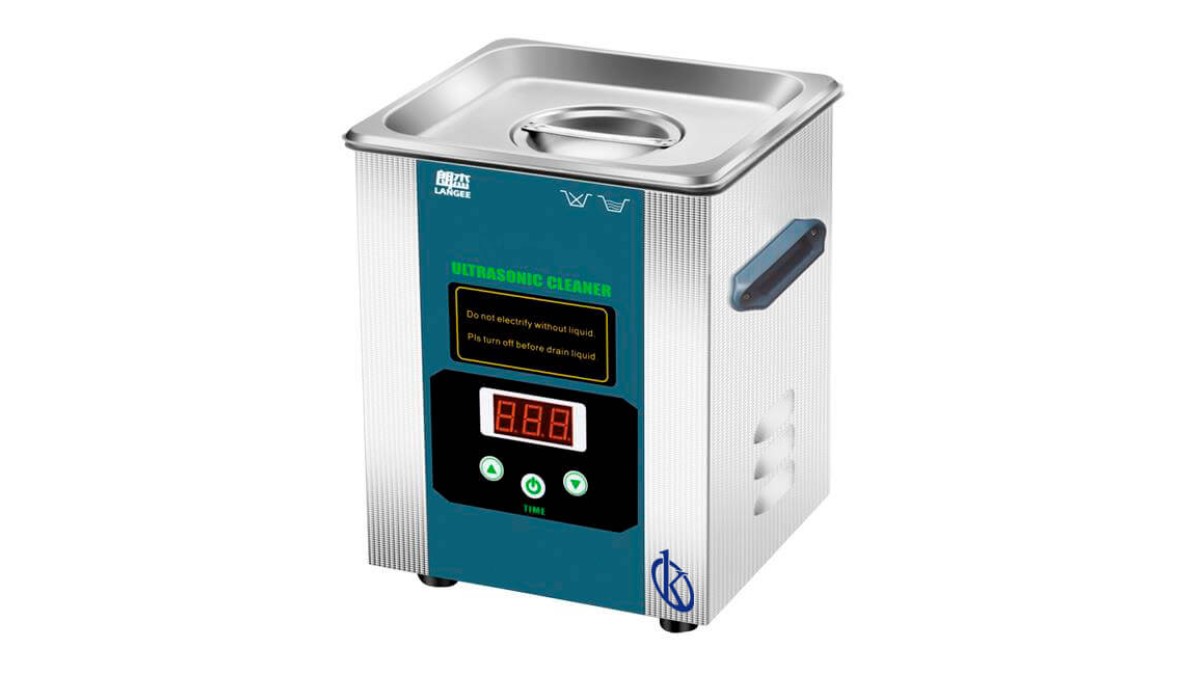
Mechanical Desktop Ultrasonic Cleanser: Best Techniques and Protocols 2026
In 2026, Mechanical Desktop Ultrasonic Cleansers have become a staple in laboratory environments, known for their ability to clean a wide variety of delicate items including jewelry, laboratory instruments, and other small components. These devices leverage ultrasonic waves to create cavitation bubbles in a cleaning solution, efficiently removing dirt and contaminants. Knowing how to effectively use and apply these devices is crucial for laboratory professionals.
What is it used for in 2026
In 2026, Mechanical Desktop Ultrasonic Cleansers are utilized in various applications including:
- Cleaning jewelry and watches
- Cleaning delicate laboratory instruments
- Removing contaminants from optical components
- Cleaning automotive parts and small machine components
- Preparing samples in life sciences and analytical laboratories
History and evolution of the technology
The origins of ultrasonic cleaning date back to the 1950s, when the technology was primarily used in industrial applications. Over the decades, advancements in microprocessor technology have enabled the development of more compact and efficient models, leading to the creation of desktop ultrasonic cleaners specifically designed for laboratory use. By 2026, these devices have seen improvements in frequency control, heating capabilities, and tank design, enhancing their cleaning efficiency and versatility.
How to use it step by step
- Select the appropriate cleaning solution: Choose a solution compatible with the items you are cleaning.
- Fill the tank: Fill the ultrasonic cleaner tank with the cleaning solution, ensuring it covers the items completely.
- Set the temperature: Adjust the heater setting to the recommended temperature for the cleaning solution.
- Set the frequency and time: Choose the appropriate frequency settings (if applicable) and set the cleaning time based on the level of contamination.
- Place items in the basket: Use the provided basket to hold the items securely in the tank.
- Start the cleaning cycle: Turn on the device and monitor the cleaning process.
- Rinse and dry: After the cycle is complete, rinse the items with distilled water and dry them properly.
Best techniques and protocols
To achieve optimal cleaning results with Mechanical Desktop Ultrasonic Cleansers in 2026, consider the following techniques:
- Use the correct cleaning solution based on the material of the items being cleaned.
- Maintain a consistent temperature to catalyze the cleaning process effectively.
- Ensure that items are not overcrowded in the tank to allow for free movement of the cleaning solution.
- Regularly clean the tank to prevent cross-contamination between cleaning cycles.
- Conduct trials to determine the optimal frequency and time settings for different materials.
Practical applications by laboratory type
Mechanical Desktop Ultrasonic Cleansers find applications across various laboratory settings:
- Research Laboratories: Used for cleaning delicate glassware and equipment.
- Medical Laboratories: Essential for disinfecting surgical instruments and lab tools.
- Jewelry and Gemology: Preferred for effectively cleaning and maintaining jewelry pieces.
- Automotive Repair Shops: Ideal for cleaning engine parts and carburetors.
Regulations, standards and certifications
When utilizing Mechanical Desktop Ultrasonic Cleansers, laboratories must adhere to various regulations and standards, including:
- ISO 9001 for quality management systems
- ANSI/AAMI ST79 for sterilization and cleaning of medical devices
- CE marking for conformity with health, safety, and environmental protection standards
Comparison with alternative technologies
Compared to alternative cleaning technologies such as steam cleaning and chemical cleaning, ultrasonic cleaning offers distinct advantages:
- Efficiency: Ultrasonic cleaners can reach intricate areas that traditional methods cannot.
- Safety: Reduced risk of damaging delicate items compared to abrasive cleaning methods.
- Environmentally friendly: Many ultrasonic cleaning processes can utilize biodegradable cleaning solutions.
Comparison of available models
| Model | Best for | Key specs | Recommended use case |
|---|---|---|---|
| YR05207 | Jewelry, glasses | 1.3L, 70W, 40kHz | Small items and delicate cleaning |
| YR05202 | Laboratory applications | 11L, 240W, 40/80/120kHz | General lab cleaning |
| YR05203 | Laboratory applications | 15L, 360W, 40/80/120kHz | General lab cleaning |
| YR05204 | Laboratory applications | 20L, 360W, 40/80/120kHz | General lab cleaning |
| YR05205 | Laboratory and industrial | 22L, 480W, 40/80/120kHz | Heavy-duty cleaning |
| YR05206 | Laboratory and industrial | 30L, 600W, 40/80/120kHz | Heavy-duty cleaning |
Common mistakes and how to avoid them
To optimize the use of Mechanical Desktop Ultrasonic Cleansers, avoid common mistakes such as:
- Using the wrong cleaning solution: Ensure the solution is compatible with the items.
- Overloading the tank: This can hinder effective cleaning; always allow space for movement.
- Neglecting maintenance: Regularly check and clean the unit to prolong its lifespan.
Maintenance, calibration and good practices 2026
Proper maintenance of ultrasonic cleaners includes:
- Regularly emptying and cleaning the tank after each use.
- Calibrating the device according to the manufacturer's instructions.
- Checking for wear and tear on components regularly.
Cost-benefit analysis 2026
Investing in Mechanical Desktop Ultrasonic Cleansers is justified by:
- Reduction in labor costs due to faster cleaning times.
- Minimized risk of damage to sensitive items versus manual cleaning.
- Improved cleaning efficiency, leading to better results.
Frequently asked questions
How do I choose the right ultrasonic cleaner for my lab?
Consider the types of items you will be cleaning, the volume of cleaning needed, and the specific features that align with your cleaning requirements, such as frequency settings and tank size.
Can I use tap water in my ultrasonic cleaner?
While it is possible, distilled water is recommended for optimal results as it minimizes mineral deposits and improves cleaning efficiency.
How often should I clean my ultrasonic cleaner?
It is best to clean the tank after every use, and perform a more thorough maintenance check weekly or monthly depending on usage.
What types of materials can be cleaned with ultrasonic cleaners?
Ultrasonic cleaners are suitable for a wide range of materials including metals, plastics, glass, and ceramics, though it's important to ensure compatibility with the cleaning solution.
What is the ideal cleaning solution for detailed laboratory equipment?
A mild, biodegradable detergent is typically effective for cleaning laboratory equipment, but you should confirm compatibility with the specific items being cleaned.
Are ultrasonic cleaners noisy?
While they can produce some noise during operation, modern ultrasonic cleaners are designed to minimize noise levels. However, they are generally louder than other cleaning methods.
How do I request a quote for an ultrasonic cleaner?
You can easily request a quote on our platform, ensuring you find a model that fits your budget and needs.
If you are looking for a fusion of innovation and quality, you have come to the right place. At Kalstein, we offer you the luxury of exploring our exclusive catalog of laboratory equipment. We manufacture every device to the highest standards of excellence. Our intuitive and seamless online purchasing channels are designed for your convenience, securing the most competitive prices. Hesitate no longer — we bring science to life, it is time to become part of our community.