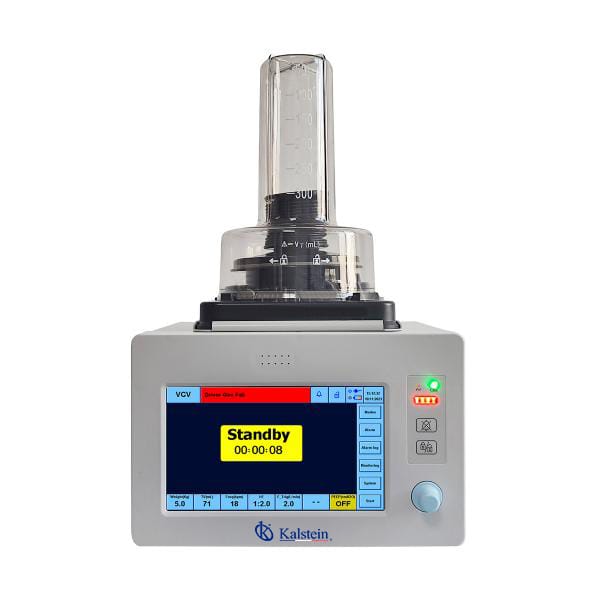
Understanding Measurement Interpretation with the YR06104 Turbo-driven Veterinary Anesthesia Ventilator
The YR06104 Turbo-driven Veterinary Anesthesia Ventilator is a crucial tool in modern veterinary practices, providing precise control over anesthesia delivery during surgical procedures. This article will delve into the interpretation of results and reading measurements from the YR06104, focusing on how to enhance clinical decision-making and improve patient outcomes.
Framing the YR06104 in Measurement Interpretation
Understanding how to accurately read and interpret the measurements from the YR06104 is essential for veterinarians and technicians. The ventilator automates ventilation parameters based on the weight of the animal, making it vital to comprehend these metrics for effective anesthesia management.
Technical Specifications of the YR06104
| Specification | Details |
|---|---|
| Model | YR06104 |
| Tidal Volume (TV) | 20-1500 ml |
| Breathing Rate (Freq) | 1-150 bpm |
| Spontaneous Breathing Rate (Freq_Spont) | 0-150 lpm |
| Inspiratory Pressure (P_Insp) | 0-60 cmH2O |
| Mean Pressure (P_mean) | 0-80 cmH2O |
| Inhaled Oxygen Concentration (FiO2) | 15-100% |
| Weight | 12 kg |
Interpreting the Breathing Parameters
The YR06104 allows users to adjust various breathing parameters to suit different species and sizes of animals. Understanding these parameters is crucial for evaluating the adequacy of ventilation:
- Tidal Volume (TV): The volume of air delivered to the lungs with each breath. It varies based on the animal's size and should be adjusted according to the recommended ranges.
- Breathing Rate: The frequency of breaths delivered per minute. This should be monitored continuously to ensure the animal's needs are met.
- FiO2 Levels: The concentration of oxygen delivered. Monitoring this helps ensure the animal is receiving adequate oxygen during sedation.
Common Measurement Misinterpretations
Veterinarians often face challenges in interpreting the data from the YR06104. Common errors include:
- Misreading Tidal Volume: Assuming that a higher tidal volume benefits all animals can lead to complications. Always consult species-specific guidelines.
- Ignoring Spontaneous Breathing: The ventilator can support spontaneous breathing, but reliance solely on mechanical ventilation without assessing the animal's respiratory efforts can be detrimental.
- Misunderstanding Pressure Levels: Elevated pressure readings may indicate resistance in the airway or need for adjustments. Always correlate pressure readings with the clinical state of the animal.
Examples of Measurement Interpretation
Real-life scenarios can shed light on how to interpret measurements:
- Scenario 1: An animal exhibits increased respiratory effort. Check the spontaneous breathing rate and adjust settings if the animal is not breathing adequately on its own.
- Scenario 2: If tidal volume is consistently low, consider a recalibration of the device or reassessment of the set weight for the anesthetized animal.
FAQs about the YR06104 and Measurement Interpretation
What are the key parameters to monitor when using the YR06104?
The key parameters include tidal volume, breathing rate, inhaled oxygen concentration, and pressure readings. Each contributes to effective anesthesia management.
How can I ensure accurate settings for different species?
Consult species-specific guidelines to set appropriate tidal volumes and rates according to the size and physiology of the animal being treated.
What should I do if the machine displays an error code?
Refer to the YR06104's manual for the specific error code, as it will provide troubleshooting steps tailored to the issue at hand.
How often should I recalibrate the YR06104?
Calibration should be performed regularly as per the manufacturer's recommendations and whenever there is a noticeable change in performance or after maintenance.
Can I use the YR06104 for all types of animals?
Yes, the YR06104 is suitable for various animal types, including pets and larger veterinary patients, as long as the parameters are appropriately set for each specific animal.
What should I do if I notice irregular readings?
Investigate potential causes such as equipment malfunction, patient positioning, or airway obstruction, and address those issues before proceeding.
Are there any specific training requirements for using the YR06104?
Yes, users should undergo proper training in interpreting results, operating the ventilator, and understanding the implications of different measurements in a clinical setting.
If you are looking for a fusion of innovation and quality, you have come to the right place. At Kalstein, we offer you the luxury of exploring our exclusive catalog of laboratory equipment. We manufacture every device to the highest standards of excellence. Our intuitive and seamless online purchasing channels are designed for your convenience, securing the most competitive prices. Hesitate no longer — we bring science to life, it is time to become part of our community.