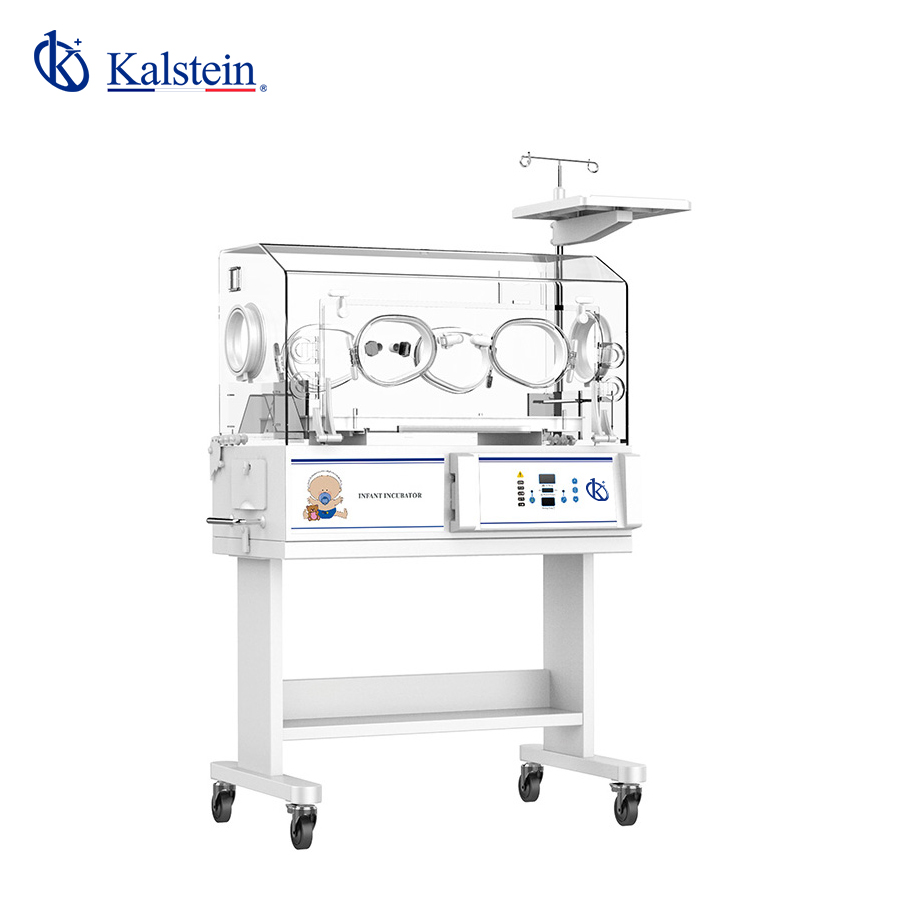
Understanding Measurement Interpretation and Result Reading for the YR02182 Infant Phototherapy Incubator
The YR02182 Infant Phototherapy Incubator is a crucial tool for managing jaundice in newborns. Accurate interpretation of its measurements and results is vital for ensuring the well-being of infants undergoing phototherapy. This article will delve into the technical specifications, operation principles, and best practices for reading and interpreting results from the YR02182, equipping healthcare professionals with the knowledge necessary for effective patient care.
Technical Specifications of the YR02182
| Model | YR02182 |
|---|---|
| Temperature Control | Air and skin temperature control |
| Phototherapy Unit | Upper and lower units available |
| Humidity Control | Humidity levels monitored |
| Alarm System | Multiple failure alarms with priority levels |
| Weight Capacity | Compatible with standard neonatal weights |
| Power Supply | Standard voltage and frequency requirements |
Principles of Measurement and Result Interpretation
The YR02182 operates based on the physics of light absorption, where phototherapy aims to reduce bilirubin levels through the skin. Understanding the implications of the readings displayed is essential. The incubator offers precise air temperature and skin temperature measurements that must be interpreted correctly to ensure the infant's safety and comfort. Generally, the air temperature is best maintained between 36°C and 37°C for optimal conditions.
The phototherapy light intensity is adjustable, which is crucial as higher intensities can lead to faster bilirubin breakdown. However, it is also important to monitor the infant's skin temperature closely to avoid overheating. The balance between these variables is key to successful treatment.
How to Read the Display and Understand Measurements
The display of the YR02182 presents various parameters including air temperature, skin temperature, and light intensity level. Each reading should be evaluated according to established medical standards. For instance, skin temperature readings that exceed 37.5°C should trigger a review of the heating settings. Consistent monitoring allows for quick adjustments to maintain optimal conditions.
It is also essential to understand how to interpret alarm signals. The YR02182 features audible and visible alarms for multiple failures, which vary based on priority levels. Knowing how to respond to these alarms is crucial in ensuring continuous patient safety.
Common Misinterpretations in Measurement
One common misinterpretation is assuming light intensity directly correlates with treatment efficacy. While higher intensities can be beneficial, they must be assessed in conjunction with infant temperature and comfort levels. Additionally, caregivers might misread temperature fluctuations as a sign of equipment failure rather than natural variations that can occur during treatment.
Understanding and addressing these interpretations can enhance treatment efficiency and reduce the risk of complications. Continuous education and training for staff on the YR02182's functions will greatly decrease the likelihood of such errors.
Best Practices for Effective Measurement Interpretation
- Regularly calibrate the incubator to ensure accurate readings.
- Maintain a log of temperature and light intensity changes to track treatment progress.
- Utilize a systematic approach to respond to alarm signals based on established protocols.
- Engage in training sessions focused on common measurement challenges and solutions related to the YR02182.
Frequently Asked Questions
What temperature range is ideal for the YR02182 during treatment?
The ideal temperature range for the YR02182 during treatment is between 36°C and 37°C. This range helps avoid overheating while providing a safe environment for the infant.
How can I adjust the light intensity for phototherapy?
The YR02182 allows for continuous adjustment of light intensity. Monitor the infant's temperature and bilirubin levels to determine the appropriate intensity.
What should I do if the alarm goes off?
Immediately assess the nature of the alarm based on the priority level. Follow the troubleshooting guide to identify the issue, which may involve checking temperatures or light settings.
How can I ensure optimal conditions for the infant?
Regular monitoring of temperature, humidity, and light intensity, along with proper equipment calibration, will help ensure optimal conditions are maintained.
What are the consequences of incorrect measurement interpretations?
Incorrect interpretations can lead to improper treatment, which can cause harm to the infant, including overheating or inadequate phototherapy exposure.
What optional accessories enhance the YR02182's functionality?
Optional accessories include additional humidity monitors, adjustable height bases, and enhanced phototherapy units to improve care quality.
How often should the YR02182 be serviced?
Regular maintenance should occur at least every six months to ensure reliability and accurate measurements throughout its use.
For a detailed inquiry or to request a quote regarding the YR02182, please reach out to us for personalized assistance.
If you are looking for a fusion of innovation and quality, you have come to the right place. At Kalstein, we offer you the luxury of exploring our exclusive catalog of laboratory equipment. We manufacture every device to the highest standards of excellence. Our intuitive and seamless online purchasing channels are designed for your convenience, securing the most competitive prices. Hesitate no longer — we bring science to life, it is time to become part of our community.