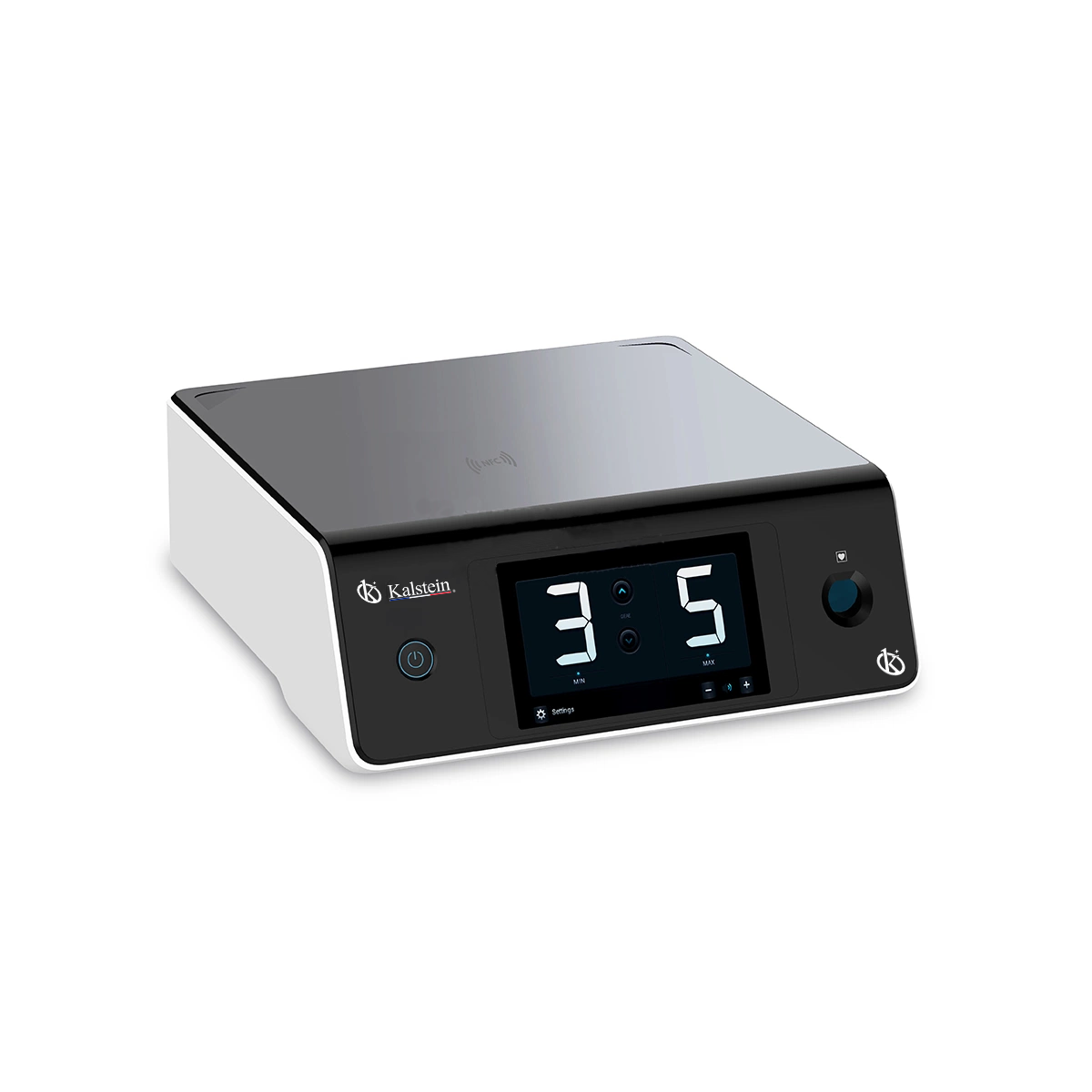
Maximizing ROI in Veterinary Electrosurgical Units: A Cost-Benefit Analysis
In the competitive field of veterinary medicine, investing in the right surgical equipment is crucial. Veterinary Electrosurgical Units (ESUs) can significantly enhance surgical efficiency and patient outcomes. This article delves into how veterinarians can maximize their return on investment (ROI) and perform a detailed cost-benefit analysis of different models of veterinary electrosurgical units available.
Understanding Return on Investment (ROI) in Veterinary Electrosurgical Units
ROI is a key metric that helps veterinary practices assess the profitability of their investments. Calculating the ROI of veterinary electrosurgical units involves evaluating the initial capital expenditure (CAPEX), operational expenses (OPEX), downtime, and the value generated from the procedures performed. The goal is to ensure that these advanced instruments not only improve surgical outcomes but also contribute positively to the practice’s financial health.
Factors Influencing ROI in Veterinary Electrosurgical Units
Several factors influence the ROI of veterinary electrosurgical units. The initial cost of the unit, maintenance expenses, and the efficiency of procedures performed with these units play a significant role. Additionally, understanding the case mix of the practice, including the types of surgeries performed and the frequency with which the unit is used, is critical in projecting accurate ROI figures.
Comparative Cost Analysis of Veterinary Electrosurgical Units
When considering the investment in veterinary electrosurgical units, a comparative analysis of different models can provide clarity on which unit offers the best financial value. Below is a comparison of several models based on their costs, features, and projected ROI.
Comparison of Available Models
| Model | CAPEX (USD) | Cost per Procedure (USD) | Payback Period (Months) | Recommended Scenario |
|---|---|---|---|---|
| YR06129 | 2500.00 | 150.00 | 16.67 | Small Clinics |
| YR06130 | 2700.00 | 140.00 | 17.50 | General Surgery |
| YR06131 | 3000.00 | 160.00 | 18.75 | Laparoscopic Procedures |
| YR06132 | 1600.00 | 120.00 | 13.33 | Routine Surgeries |
| YR06133 | 5600.00 | 200.00 | 28.00 | Specialized Cases |
| YR06134 | 5600.00 | 200.00 | 28.00 | Specialized Cases |
Assessing Operational Costs
A thorough cost-benefit analysis should include all operational costs associated with running veterinary electrosurgical units. These costs often consist of consumables, maintenance, staffing, and training expenses. By understanding the total cost of ownership (TCO), practices can make informed decisions about which units will deliver the best long-term financial benefits.
Evaluating Technical Features for Better ROI
Each veterinary electrosurgical unit comes with specific technical features that can impact both performance and cost efficiency. For instance, the YR06129 comes equipped with stable amplitude control, which enhances precision in surgeries, potentially leading to lower complication rates and quicker recovery times. This can significantly influence both the cost per procedure and overall patient throughput.
Common Mistakes and How to Avoid Them
Investing in new surgical technology can lead to costly mistakes if not approached thoughtfully. Common pitfalls include underestimating the total cost of ownership, failing to train staff adequately, and neglecting to assess the volume of procedures that justify the investment. To avoid these mistakes, practices should conduct a detailed analysis of their needs and ensure staff are well-trained and comfortable using the equipment.
Frequently Asked Questions
How can I determine the ROI for the YR06129 Veterinary Ultrasonic Scalpel?
The ROI for the YR06129 can be determined by calculating the total cost of ownership versus the revenue generated from procedures performed. Given its cost of $2500 and a cost per procedure of around $150, it can pay off in approximately 16.67 months based on usage.
What operational expenses should I consider for the YR06130 Blood Vessel Sealing Generator?
When evaluating the YR06130, consider expenses like consumables, regular maintenance, and training for staff. With a CAPEX of $2700, these factors can influence the overall cost efficiency and long-term ROI.
Which veterinary electrosurgical unit is best for laparoscopic procedures?
The YR06131 Vascular Blood Vessel Sealing Generator is ideal for laparoscopic surgeries, providing effective sealing for vessels between 7-15 mm, thus enhancing surgical precision and reducing operational costs.
What is the main benefit of using the YR06132 Veterinary Electrosurgical Unit?
The YR06132 offers multiple output modes, including pure cutting and complete coagulation. This versatility can lead to improved surgical outcomes, ultimately enhancing patient throughput and ROI for the practice.
How does the cost of the YR06133 Portable Diode Laser System impact its ROI?
The YR06133 has a higher initial investment of $5600, but its advanced features and dual wavelength capability can justify this cost through increased surgical versatility and potentially better patient outcomes.
What factors should I evaluate when selecting an electrosurgical unit for my practice?
Consider factors such as the unit's features, cost per procedure, payback period, and how well it meets the specific surgical needs of your practice. This evaluation will significantly impact your investment's ROI.
How often should I evaluate the performance of my electrosurgical unit?
Regular evaluations should be conducted quarterly to ensure the electrosurgical unit is operating efficiently and to assess its impact on surgical outcomes and practice profitability.
What is the typical payback period for veterinary electrosurgical units?
The payback period varies by model, with units like the YR06132 offering a payback period of approximately 13.33 months, making it a cost-effective choice for many practices.
If you are looking for a fusion of innovation and quality, you have come to the right place. At Kalstein, we offer you the luxury of exploring our exclusive catalog of laboratory equipment. We manufacture every device to the highest standards of excellence. Our intuitive and seamless online purchasing channels are designed for your convenience, securing the most competitive prices. Hesitate no longer — we bring science to life, it is time to become part of our community.