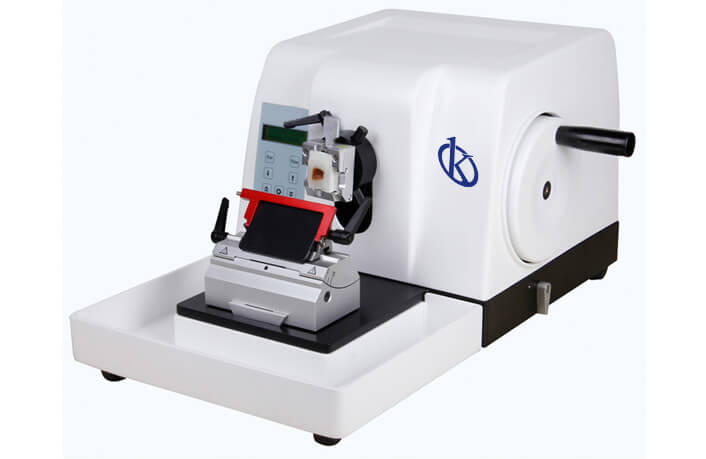
Maximizing ROI in Laboratory Microtome Usage: A Cost-Benefit Analysis
Microtomes are essential instruments in histology and pathology laboratories, playing a crucial role in the preparation of tissue samples for analysis. However, as laboratories aim to optimize their operational efficiencies and budget constraints, understanding the return on investment (ROI) and conducting a thorough cost-benefit analysis for microtomes becomes increasingly important. This article delves into various models within the microtome series, comparing their features and benefits, and providing insights into how to maximize ROI.
Understanding ROI in Laboratory Microtome Usage
The ROI for microtomes can be assessed through various metrics including initial costs, operating expenses, and the efficiency gains associated with each model. Evaluating both capital expenditure (CAPEX) and operational expenditure (OPEX) is vital in determining the overall profitability of investing in a specific microtome.
Comparison of Available Models
| Model | CAPEX (USD) | Cost per test | Payback (months) | Recommended scenario |
|---|---|---|---|---|
| YR417-1 | 5200.00 | N/A | 0 | Ideal for high-volume laboratories needing semi-automatic capabilities. |
| YR416 | 3600.00 | N/A | 0 | Best for multi-purpose high-demand applications in pathology. |
| YR417 | 4000.00 | N/A | 0 | Suitable for histology labs with a focus on flexibility and quality. |
| YR420 | 2400.00 | N/A | 0 | Great for histological applications requiring high-quality continuous sections. |
| YR421 | 2400.00 | N/A | 0 | Effective in high-precision applications in histology. |
| YR422 | 1200.00 | N/A | 0 | Perfect for laboratories requiring reliable and safe operation. |
Cost-Benefit Analysis of Microtomes
A comprehensive cost-benefit analysis involves quantifying both direct and indirect costs associated with the use of microtomes. This includes not only the purchase price and maintenance costs but also the potential revenue generated from improved efficiency and high-quality outputs. Each model can contribute differently based on its features and suitability for specific laboratory environments.
Direct Costs
Direct costs encompass the purchase price of the microtome and the operational costs associated with consumables and maintenance. For instance, the YR417-1 model, priced at $5200, may offer advanced features that could reduce operational downtime and improve throughput, leading to potential savings on labor costs.
Indirect Benefits
Indirect benefits can include enhanced reliability in sample processing and improved accuracy in results. These factors can lead to better outcomes, reduced repetitions, and increased satisfaction among clients or stakeholders, ultimately resulting in higher revenue for the laboratory.
Common Mistakes and How to Avoid Them
Laboratories often overlook certain aspects of the ROI analysis for microtomes. One common mistake is focusing solely on the initial purchase cost rather than considering total ownership costs, which include maintenance and operational expenses. To avoid this, laboratories should conduct a holistic evaluation considering all costs and benefits associated with each microtome model.
Neglecting Maintenance Costs
Many laboratories fail to account for maintenance costs in their ROI calculations. It's crucial to factor in these costs when determining the total cost of ownership for each model. For example, the YR420 may require less maintenance due to its high-quality build, ultimately leading to lower long-term costs.
Inadequate Training
Inadequate training on microtome operation can lead to inefficiencies and increased waste. Investing in proper training for staff ensures that they can utilize the equipment effectively, thereby maximizing the potential ROI for the laboratory.
Frequently Asked Questions
How can I calculate the ROI for a microtome in my laboratory?
To calculate the ROI for a microtome like the YR416, consider your initial investment, ongoing operating costs, and the expected gains from improved efficiency and quality of work. This analysis helps you to assess the payback period and overall profitability.
What are the operational costs associated with using a YR422 microtome?
Operational costs for the YR422 microtome include maintenance fees, the cost of consumables, and potential downtimes. Evaluating these costs against the savings from efficiency can provide insights into its overall financial impact.
Which microtome model offers the best ROI for high-volume labs?
The YR417-1 model offers advanced features suitable for high-volume laboratories, making it an excellent choice for maximizing ROI through efficiency and reliability in processing.
How do maintenance costs influence the cost-benefit analysis for microtomes?
Maintenance costs significantly influence the total cost of ownership for microtomes. Models like the YR420, known for their durability, may reduce maintenance frequency and thus lower operational costs, enhancing their overall cost-benefit ratio.
What should I consider when evaluating different microtome models?
When evaluating microtome models, consider factors such as initial costs, operational expenses, user-friendliness, and specific needs of your laboratory operations. This holistic view will aid in ensuring you make a financially sound decision.
How can proper training affect the ROI of a microtome?
Proper training enables lab personnel to maximize the microtome's capabilities and reduce errors, leading to increased throughput and less waste, thus positively impacting the ROI of models like the YR421.
What is the expected lifespan of a microtome like the YR420?
The expected lifespan of a microtome such as the YR420 can vary based on usage and maintenance but typically ranges from 5 to 10 years, providing substantial return on investment when appropriately utilized.
How do I determine the best microtome for my laboratory's needs?
To determine the best microtome, assess your laboratory's specific requirements, including sample volume, types of specimens processed, and the desired level of precision. Models such as the YR416 and YR422 cater to diverse needs in histology.
If you are looking for a fusion of innovation and quality, you have come to the right place. At Kalstein, we offer you the luxury of exploring our exclusive catalog of laboratory equipment. We manufacture every device to the highest standards of excellence. Our intuitive and seamless online purchasing channels are designed for your convenience, securing the most competitive prices. Hesitate no longer — we bring science to life, it is time to become part of our community.