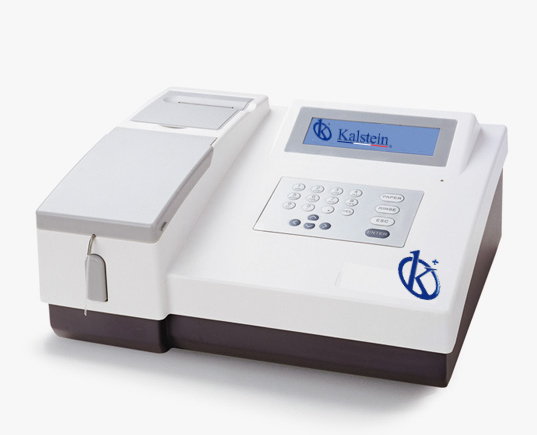
Maximizing ROI in Laboratory Chemical Analyzers: A Comprehensive Guide
In a laboratory setting, the choice of chemical analyzers significantly impacts both operational efficiency and financial performance. Understanding the return on investment (ROI) and conducting a thorough cost-benefit analysis are crucial for laboratories aiming to enhance their performance while managing expenses. This guide will explore various models of chemical analyzers, focusing on their cost-effectiveness, features, and how they contribute to maximizing ROI.
Understanding ROI in Laboratory Equipment Acquisition
Return on investment (ROI) is a critical metric that assesses the profitability of an investment relative to its cost. In the context of laboratory equipment, particularly chemical analyzers, calculating ROI involves understanding both initial capital expenditures (CAPEX) and ongoing operational expenditures (OPEX). Effective ROI calculations require a detailed analysis of costs associated with acquisition, maintenance, and consumables against the financial benefits generated through increased throughput and efficiency.
Key Factors Influencing Cost-Benefit Analysis for Chemical Analyzers
When performing a cost-benefit analysis for chemical analyzers, several factors must be considered:
- Initial Cost: The upfront cost of purchasing the analyzer, which varies across different models.
- Operational Costs: Ongoing costs related to reagents, maintenance, and energy consumption.
- Throughput: The number of tests the analyzer can perform in a given time frame, affecting overall productivity.
- Quality of Results: Accuracy and reliability of results, which impact repeat business and laboratory reputation.
- Compliance and Certifications: Ensuring that the analyzer meets relevant quality standards can influence marketability and operational continuity.
Comparison of Available Models
| Model | CAPEX (USD) | Cost per Test (USD) | Payback Period (months) | Recommended Scenario |
|---|---|---|---|---|
| YR05115 | 800.00 | 1.50 | 5 | High-volume testing labs |
| YR05114 | 950.00 | 1.70 | 6 | Routine clinical analysis |
| YR06092 | 150.00 | 0.50 | 3 | Fieldwork and portable needs |
| YR06075 | 12500.00 | 0.80 | 12 | High-throughput labs |
| YR05116 | 1300.00 | 1.20 | 7 | Versatile lab environments |
| YR06078 | 1100.00 | 1.25 | 6 | Small to medium labs |
Evaluating the Financial Benefits of Implementing Advanced Chemical Analyzers
Implementing advanced chemical analyzers can significantly enhance laboratory productivity. For instance, the YR06075 model, with a capacity of 560 tests per hour, not only increases throughput but also reduces labor costs associated with manual testing. The financial benefits from such improvements can often offset initial investments within a few months, making it a wise choice for laboratories focusing on efficiency.
Common Mistakes and How to Avoid Them
When investing in chemical analyzers, laboratories often make several common mistakes that can hinder ROI:
- Neglecting Total Cost of Ownership: Focusing solely on the purchase price without considering maintenance and operational costs can lead to budget overruns.
- Not Assessing Throughput Needs: Choosing a model that does not match testing volume requirements can create bottlenecks or underutilization.
- Ignoring Compatibility with Existing Systems: Failing to ensure that new models integrate seamlessly with existing laboratory information management systems (LIMS) can disrupt operations.
- Overlooking Staff Training: Neglecting to train staff on new equipment may lead to inefficiencies and result in underutilization of advanced features.
Best Practices for Maximizing ROI in Laboratory Chemical Analyzers
To ensure a high ROI from chemical analyzers, laboratories should consider implementing best practices such as:
- Regular Maintenance: Scheduled maintenance helps prevent breakdowns and sustain high performance.
- Consumable Management: Efficient use of reagents and consumables can lower operational costs and enhance profitability.
- Data Analysis: Utilizing software to analyze equipment performance and cost efficiency can inform better purchasing and operational decisions.
- Benchmarking: Regularly compare performance against industry standards to ensure competitiveness and efficiency.
Frequently Asked Questions
What is the average cost per test for a Semi-automatic Chemistry Analyzer?
The average cost per test for a Semi-automatic Chemistry Analyzer like the YR05115 is approximately $1.50, making it a cost-effective option for laboratories focused on efficiency.
How can I maximize the ROI of a Portable Chemical Analyzer in my lab?
Maximizing ROI for a Portable Chemical Analyzer such as the YR06092 can be achieved by optimizing workflow processes and ensuring proper training for staff to utilize its features effectively.
Which Automatic Chemistry Analyzer offers the best throughput for busy laboratories?
The YR06075 is an Automatic Chemistry Analyzer capable of performing up to 560 tests per hour, making it an excellent choice for busy laboratories seeking high throughput solutions.
How do maintenance costs impact the overall ROI for chemical analyzers?
Maintenance costs significantly impact ROI; for example, neglecting maintenance can lead to increased downtime and repair costs, reducing overall profitability for models like the YR05114.
What factors should I consider when choosing a Chemistry Analyzer for high-volume testing?
When selecting a Chemistry Analyzer for high-volume testing, consider throughput capabilities, operational costs, and compatibility with existing laboratory systems, such as selecting the YR06075 for its efficiency.
How do I calculate the payback period for my lab's new chemical analyzer?
To calculate the payback period for a new chemical analyzer, divide the initial investment by the net profit generated per month. For instance, a $12500 investment in the YR06075 could have a payback based on increased testing revenue.
What advantages do semi-automatic analyzers provide in cost management?
Semi-automatic analyzers like the YR05116 allow laboratories to maintain control over operational expenses while providing flexibility in testing protocols, aiding in effective cost management.
How does compliance with standards affect the cost-benefit analysis of chemical analyzers?
Compliance with standards such as ISO 17025 enhances the reliability of results, which can lead to increased customer trust and repeat business, positively influencing the cost-benefit analysis of analyzers like the YR05114.
If you are looking for a fusion of innovation and quality, you have come to the right place. At Kalstein, we offer you the luxury of exploring our exclusive catalog of laboratory equipment. We manufacture every device to the highest standards of excellence. Our intuitive and seamless online purchasing channels are designed for your convenience, securing the most competitive prices. Hesitate no longer — we bring science to life, it is time to become part of our community.