Maximizing ROI and Cost-Benefit Analysis for Veterinary Surgical Tools
In the realm of veterinary surgery, the selection of surgical tools is pivotal not only for procedural success but also for the financial health of veterinary practices. Understanding the return on investment (ROI) and conducting thorough cost-benefit analyses are essential for making informed decisions. This article delves into various models of veterinary surgical tools, comparing their features, applications, and financial implications to ensure that veterinary professionals can optimize their investments.
Understanding ROI and Cost-Benefit Analysis in Veterinary Surgery
ROI is a financial metric used to evaluate the profitability of an investment relative to its cost. In veterinary surgery, tools that enhance procedure efficiency, reduce recovery times, or improve surgical outcomes can significantly boost ROI. Cost-benefit analysis, meanwhile, allows practitioners to weigh the total expected benefits of a tool against its associated costs to ascertain its economic viability.
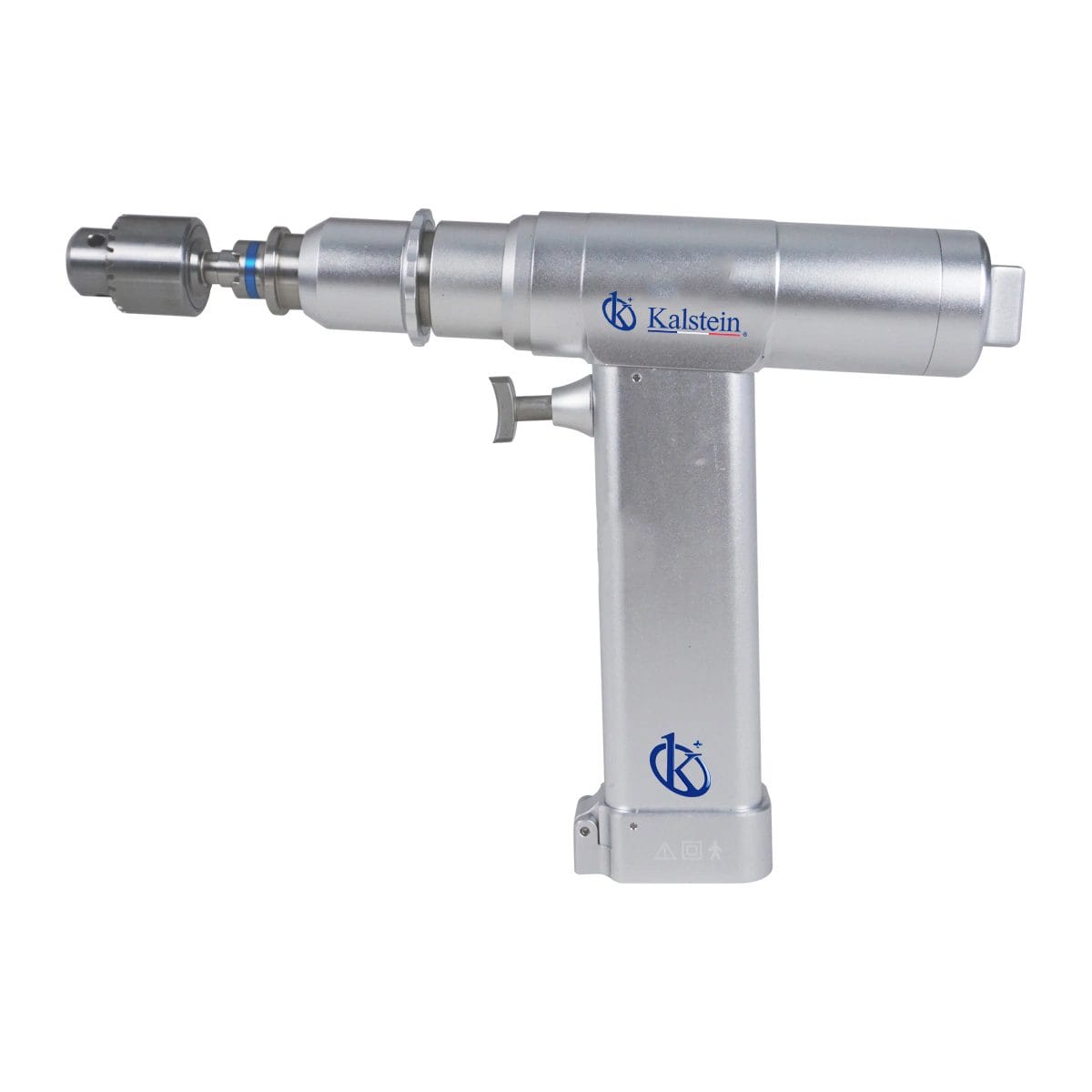
When evaluating tools like the Electric Multifunction Tool for Veterinary Surgery YR06126, Micro/Mini Multifunctional Veterinary Tool for Small Animals YR06127, and Veterinary TPLO Saw YR06128, it's crucial to consider their unique features, applications, and how they contribute to the overall cost savings and efficiency in surgical procedures.
Key Factors Influencing ROI in Veterinary Surgical Tools
Several factors influence the ROI derived from veterinary surgical tools:
- Initial Investment: The purchase price of surgical tools directly impacts ROI calculations. Higher upfront costs must be justified by increased efficiency or better patient outcomes.
- Operational Costs: Ongoing costs associated with the use of surgical tools, including maintenance, consumables, and training, must be accounted for in ROI assessments.
- Procedure Efficiency: Tools that reduce surgical time or enhance precision can lead to lower labor costs and improved patient turnover rates.
- Patient Outcomes: Enhanced surgical outcomes can lead to higher client satisfaction, repeat business, and referrals, thereby positively impacting ROI.
Financial Breakdown of Surgical Tools
A detailed financial breakdown is essential for evaluating the cost-effectiveness of surgical tools. Below is a comparison table highlighting the financial aspects of the models discussed.
| Model | Initial Cost (USD) | Operational Cost per Procedure (USD) | Expected Lifespan (Years) | Estimated ROI (%) |
|---|---|---|---|---|
| YR06126 | 3100.00 | 150.00 | 8 | 25% |
| YR06127 | 1300.00 | 100.00 | 5 | 30% |
| YR06128 | 1200.00 | 120.00 | 7 | 27% |
Comparison of Available Models
| Model | Functionality | Best Suited For | Key Features |
|---|---|---|---|
| YR06126 | Multifunctional | Joint surgery, trauma surgery, neurosurgery | Multiple adapter options, quick change, powerful output |
| YR06127 | Mini Multifunctional | Small animal surgeries | Lightweight, ergonomic design, 360° rotation |
| YR06128 | TPLO Saw | TPLO procedures | High-strength stainless steel, precise osteotomy |
Common Mistakes and How to Avoid Them
Veterinary professionals must be aware of common pitfalls when selecting surgical tools. These include:
- Underestimating Total Costs: Always consider the total cost of ownership, including maintenance and consumables.
- Neglecting Training Needs: Ensure that the staff is adequately trained on new equipment to maximize its utility.
- Ignoring Patient Outcomes: Focus on tools that enhance surgical outcomes, not just those with the lowest upfront costs.
Frequently Asked Questions
How to calculate the ROI for veterinary surgical tools like the YR06126?
To calculate the ROI for the Electric Multifunction Tool for Veterinary Surgery YR06126, total the benefits gained from using the tool, including increased efficiency and improved recovery rates, and compare them to its initial cost of $3100. A typical ROI can be around 25% over its lifespan.
What are the ongoing costs associated with the Micro/Mini Multifunctional Tool YR06127?
The ongoing operational costs for the Micro/Mini Multifunctional Veterinary Tool YR06127 are approximately $100 per procedure. This includes maintenance and consumable costs, which should be factored into your budget to ensure accurate financial planning.
Which veterinary surgical tool offers the best cost-benefit ratio?
The Micro/Mini Multifunctional Veterinary Tool for Small Animals YR06127 offers an excellent cost-benefit ratio due to its lower initial cost and efficient performance, making it highly suitable for small animal surgeries with a lifespan of about five years.
How does the expected lifespan of the Veterinary TPLO Saw YR06128 affect its ROI?
The Veterinary TPLO Saw YR06128 has an expected lifespan of seven years. This longevity allows practitioners to spread its initial cost of $1200 over many procedures, positively impacting ROI as the tool remains effective and reliable throughout its usage.
What considerations should be made for maintenance of veterinary surgical tools?
When maintaining veterinary surgical tools like the YR06126, consider regular inspections, adherence to sterilization protocols, and prompt repairs to avoid downtime. This proactive approach can extend the tool's lifespan and enhance ROI.
How can the choice of surgical tools impact client satisfaction in a veterinary practice?
The choice of effective surgical tools, such as the YR06127, can significantly enhance patient outcomes, which in turn improves client satisfaction. Satisfied clients are more likely to return and recommend your practice, thereby boosting overall profitability.
What is the importance of ergonomic design in veterinary surgical tools?
Ergonomic design in veterinary surgical tools, like the YR06127, is crucial as it minimizes user fatigue during long procedures, enhances precision, and improves the overall surgical experience, contributing to better patient outcomes and efficiency.
How to ensure accurate financial planning for veterinary surgical tools?
Accurate financial planning for tools like the YR06128 involves estimating all costs associated with procurement, operation, and maintenance, along with projected benefits. Utilizing a cost-benefit analysis helps in making informed purchasing decisions.
If you are looking to optimize your investment in veterinary surgical tools, request a quote today to explore our exclusive catalog. Our team is ready to assist you in finding the right solutions for your practice.
If you are looking for a fusion of innovation and quality, you have come to the right place. At Kalstein, we offer you the luxury of exploring our exclusive catalog of laboratory equipment. We manufacture every device to the highest standards of excellence. Our intuitive and seamless online purchasing channels are designed for your convenience, securing the most competitive prices. Hesitate no longer — we bring science to life, it is time to become part of our community.