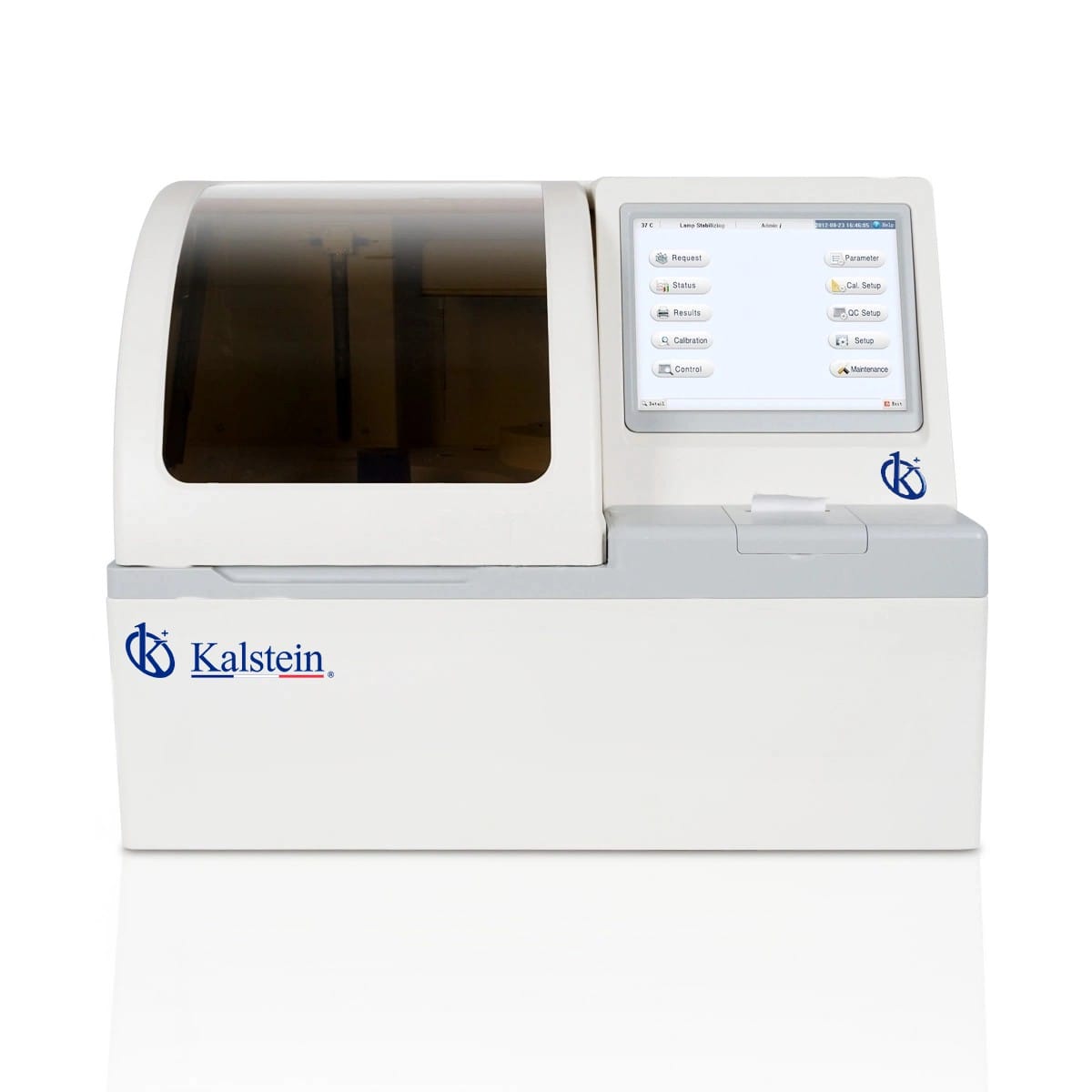
Maximizing ROI and Cost-Benefit Analysis for Veterinary Chemistry Analyzers
Veterinary chemistry analyzers are essential tools in modern veterinary medicine, enabling precise diagnostics and efficient workflows. However, choosing the right analyzer requires a thorough understanding of return on investment (ROI) and cost-benefit analysis. This article delves into the financial considerations and operational efficiencies associated with various models, helping veterinary laboratories make informed decisions.
Understanding ROI in Veterinary Chemistry Analyzers
ROI is a critical metric for evaluating the effectiveness of any investment. In the context of veterinary chemistry analyzers, it involves assessing the total costs against the financial benefits derived from their use. Key factors that contribute to ROI include initial investment costs (CAPEX), operational expenses (OPEX), and the expected lifespan of the analyzer.
Key Variables Affecting ROI
When calculating ROI for veterinary chemistry analyzers, consider the following variables:
- Initial Costs: The purchase price of the analyzer and installation fees.
- Operational Costs: Ongoing costs for reagents, maintenance, and labor.
- Throughput: The number of tests performed per hour, impacting revenue generation.
- Depreciation: How the value of the analyzer decreases over time.
- Efficiency Gains: The reduction in time and errors compared to manual testing.
Cost-Benefit Analysis of Available Models
A comprehensive cost-benefit analysis allows laboratories to compare different analyzers and their potential financial impacts. Below is a detailed comparison of key models in the veterinary chemistry analyzer category:
| Model | CAPEX (USD) | Cost per Test (USD) | Payback Period (Months) | Recommended Scenario |
|---|---|---|---|---|
| YR06168 | 6800.00 | 3.00 | 16 | High throughput clinics |
| YR06169 | 2000.00 | 2.50 | 12 | Mobile clinics |
| YR06172 | 700.00 | 2.00 | 10 | Point-of-care testing |
| YR06174 | 6600.00 | 3.50 | 15 | Emergency veterinary services |
| YR06077 | 950.00 | 1.50 | 8 | Small veterinary practices |
Analyzing the Cost-Benefit of Various Models
The analysis shows that while initial costs vary significantly, the cost per test and payback period are critical for decision-making. For instance, the YR06172 model, with a CAPEX of $700.00 and a cost per test of $2.00, offers an attractive payback period of just 10 months, making it suitable for point-of-care scenarios. In contrast, the YR06168 model, while more expensive upfront, caters to high throughput with a manageable cost per test of $3.00.
Common Mistakes and How to Avoid Them
Veterinary laboratories often encounter pitfalls when selecting chemistry analyzers. Common mistakes include:
- Underestimating Operational Costs: Always calculate ongoing costs like consumables and maintenance, not just the purchase price.
- Neglecting Throughput Needs: Choose a model that matches your testing volume to avoid bottlenecks.
- Ignoring Staff Training: Ensure all personnel are adequately trained to maximize the analyzer's potential.
Frequently Asked Questions
What factors should I consider for a cost-benefit analysis of veterinary chemistry analyzers?
When conducting a cost-benefit analysis, consider initial acquisition costs, operational expenditures, throughput capabilities, and the long-term value of models like YR06168 and YR06169, which optimize various testing environments efficiently.
How can I estimate the ROI of my veterinary chemistry analyzer investment?
To estimate ROI, calculate the total revenue generated from tests performed and subtract the total costs involved, including the purchase price and operational costs. Models like YR06077 offer low operational costs, enhancing potential ROI.
Which veterinary chemistry analyzer offers the best value for small practices?
The YR06077 model is ideal for small practices due to its low initial cost of $950.00 and competitive cost per test of $1.50, leading to faster payback periods and improved cash flow.
How does throughput impact the ROI of veterinary chemistry analyzers?
Higher throughput directly correlates to increased revenue potential. The YR06168 model, for example, can perform up to 100 tests per hour, significantly enhancing ROI for busy veterinary clinics.
Can portable chemistry analyzers contribute to cost-efficiency in veterinary diagnostics?
Yes, models like the YR06169 are designed for portability, requiring minimal sample volumes while delivering multiple results quickly, ultimately improving cost-efficiency in mobile veterinary settings.
What is the average payback period I should expect from a veterinary chemistry analyzer?
Payback periods can vary, but many models, such as the YR06172, offer attractive payback periods around 10 months, making them financially viable investments for most clinics.
Which model is best for high-throughput veterinary testing?
The YR06168 model is specifically designed for high-throughput environments, providing up to 100 tests per hour, which optimizes workflow in busy veterinary practices.
How do I calculate the cost per test for my veterinary chemistry analyzer?
To calculate cost per test, divide total operational costs (including reagents and maintenance) by the number of tests performed within a specific period. For instance, the YR06169 has a cost per test of $2.50.
If you are looking for a fusion of innovation and quality, you have come to the right place. At Kalstein, we offer you the luxury of exploring our exclusive catalog of laboratory equipment. We manufacture every device to the highest standards of excellence. Our intuitive and seamless online purchasing channels are designed for your convenience, securing the most competitive prices. Hesitate no longer — we bring science to life, it is time to become part of our community.