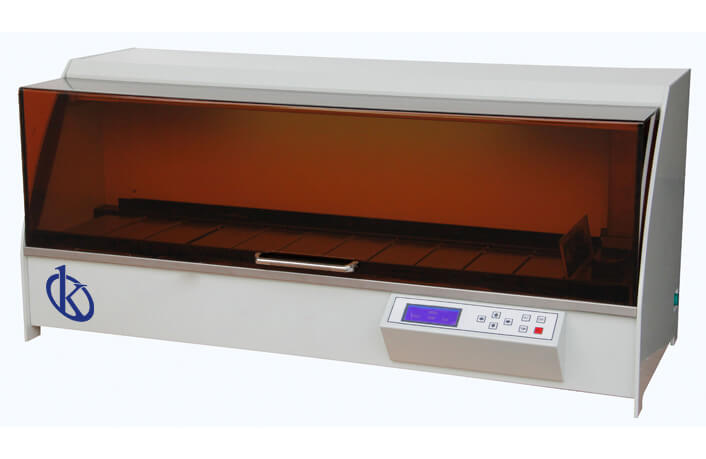
Maximizing ROI and Cost-Benefit Analysis for Tissue Processors
In the realm of laboratory operations, particularly in pathological anatomy, understanding the return on investment (ROI) and performing a meticulous cost-benefit analysis is essential. Tissue processors play a pivotal role in preparing samples, influencing not just the quality of results but also operational costs. This article delves into several models of tissue processors, showcasing their features through the lens of ROI and cost analysis.
Understanding the Importance of ROI in Laboratory Operations
ROI is a critical metric in assessing the effectiveness of capital expenditures in laboratories. By evaluating the profitability of investments in tissue processors, laboratories can make informed decisions that enhance efficiency and reduce operational costs. A well-calibrated ROI analysis helps in identifying which models not only meet the technical requirements but also provide the best financial return.
Key Factors Influencing Cost-Benefit Analysis
Several factors impact cost-benefit analysis for tissue processors, including initial capital expenditure (CAPEX), operational expenditure (OPEX), maintenance costs, and the overall impact on lab throughput. Understanding these components can significantly affect the decision-making process when selecting a tissue processor.
Comparison of Available Models
| Model | CAPEX (USD) | Cost per Test | Payback Period (Months) | Recommended Scenario |
|---|---|---|---|---|
| YR431-1 | 11000.00 | Variable | 24 | High-volume labs |
| YR436-2 | 4400.00 | Variable | 12 | Small labs |
| YR427 | 2600.00 | Variable | 10 | Cost-sensitive operations |
| YR428 | 2900.00 | Variable | 11 | Small labs |
| YR429 | 3300.00 | Variable | 15 | Medium labs |
Maximizing Efficiency with Tissue Processors
Selecting the right tissue processor involves evaluating how each model aligns with lab workflows. For example, the Automated Fabric Processor YR431-1 is designed to handle high volumes, making it ideal for medium to large laboratories that require efficiency and reliability. Its capacity of 2000 ml per cup allows for extensive processing, offering a significant advantage in throughput.
Quantitative Breakdown of Cost Factors
To conduct a thorough cost-benefit analysis, it is vital to consider both CAPEX and OPEX, including maintenance and consumables. Below is an illustrative breakdown of potential costs across selected models:
| Model | Initial Investment (USD) | Annual Maintenance (USD) | Consumable Costs per Year (USD) | Total Annual Costs (USD) |
|---|---|---|---|---|
| YR431-1 | 11000.00 | 500 | 2000 | 22500.00 |
| YR436-2 | 4400.00 | 300 | 1500 | 6200.00 |
| YR427 | 2600.00 | 250 | 1000 | 3850.00 |
Common Mistakes and How to Avoid Them
One common mistake in evaluating tissue processors is focusing solely on initial costs without considering potential savings in operational efficiency. Laboratories should also take into account the long-term benefits and how a tissue processor can enhance productivity and sample quality. Additionally, overlooking warranty and service agreements can lead to increased costs down the line.
Frequently Asked Questions
What is the ROI for a tissue processor like YR431-1?
The ROI for a tissue processor like YR431-1 can be substantial due to its high capacity and efficiency, leading to lower costs per test over time. This model is particularly beneficial for high-volume labs aiming to improve their throughput.
How does the cost of consumables affect the ROI of tissue processors?
The cost of consumables directly impacts the ROI of tissue processors, as higher operational costs can diminish overall profits. For instance, models like YR427 offer lower consumables costs, improving ROI.
Which tissue processor is best for small laboratories focused on cost efficiency?
The YR427 model is specifically designed for small laboratories looking for cost efficiency. Its lower initial investment and low operational costs make it an ideal choice.
What are the key factors in calculating the total cost of ownership for tissue processors?
Key factors include initial purchase price, maintenance costs, and consumable expenses. Considering these elements, models like YR436-2 can provide a clearer picture of total cost of ownership in smaller labs.
How can tissue processors help improve laboratory throughput?
Tissue processors like YR431-1 can significantly enhance laboratory throughput by processing larger volumes of samples efficiently, thus reducing turnaround times and increasing overall productivity.
What maintenance considerations should be factored into cost-benefit analysis for tissue processors?
Regular maintenance costs and potential downtime should be factored into the cost-benefit analysis. Choosing reliable models like YR429 can minimize these issues and maintain operational efficiency.
How does automation in tissue processors affect overall lab efficiency?
Automation reduces manual handling and streamlines workflows, which can enhance lab efficiency. Models such as YR431 utilize advanced automation features to optimize processing times and minimize errors.
What is the expected payback period for investing in a high-capacity tissue processor?
The payback period for investing in a high-capacity tissue processor like YR431-1 is typically around 24 months, depending on your lab's volume and operational costs.
If you are looking for a fusion of innovation and quality, you have come to the right place. At Kalstein, we offer you the luxury of exploring our exclusive catalog of laboratory equipment. We manufacture every device to the highest standards of excellence. Our intuitive and seamless online purchasing channels are designed for your convenience, securing the most competitive prices. Hesitate no longer — we bring science to life, it is time to become part of our community.