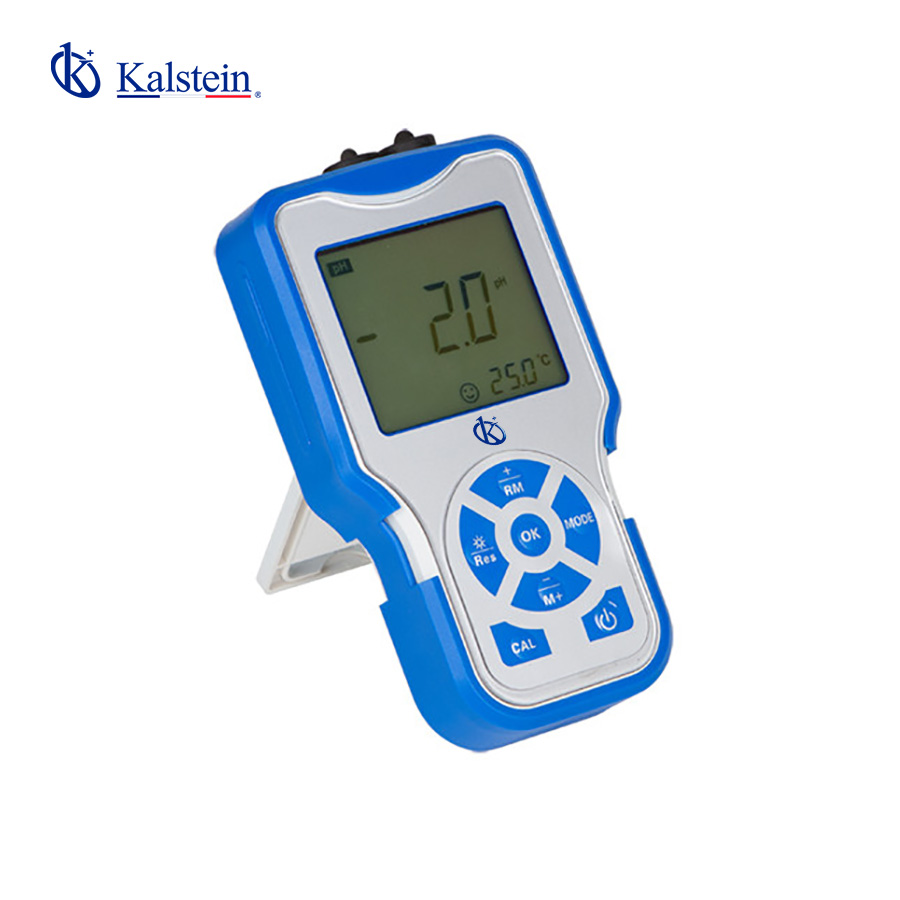
Maximizing ROI Through Cost-Benefit Analysis of Portable Ion Meters
In today's laboratory environment, the efficient management of resources is crucial. Portable ion meters have become essential tools for various applications, from environmental monitoring to industrial processes. Understanding their return on investment (ROI) and conducting a comprehensive cost-benefit analysis is vital for laboratory professionals aiming to optimize their operations. This article delves into the intricacies of evaluating portable ion meters within the framework of ROI and cost-effectiveness, offering insights into the key factors that influence purchasing decisions.
Understanding the Role of Portable Ion Meters in Laboratories
Portable ion meters are versatile instruments used for measuring ion concentration in various solutions. They are integral in many laboratory settings for tasks such as quality control in water treatment facilities, monitoring soil pH in agricultural labs, and assessing ion levels in clinical laboratories. The portability aspect allows for on-site measurements, enhancing flexibility and efficiency.
Evaluating the ROI of these meters involves analyzing their performance, cost implications, and the benefits they provide in terms of efficiency, accuracy, and time savings. Understanding these factors helps laboratories make informed decisions on investments in portable ion meters.
Key Factors Influencing Cost-Benefit Analysis
When conducting a cost-benefit analysis for portable ion meters, several key factors must be considered:
- Initial Purchase Cost: The upfront cost of the device, including any additional accessories or calibration solutions.
- Operational Costs: Ongoing expenses, such as maintenance, calibration, and consumables, which can impact the overall cost over time.
- Efficiency Gains: The time saved by using a portable meter compared to traditional laboratory methods, which can translate into labor cost savings.
- Accuracy and Reliability: The degree of precision in measurements, which affects the quality of results and potential cost implications of inaccurate readings.
- Use Case Scenarios: Specific applications where different models excel, influencing their value in particular laboratory settings.
Comparison of Available Models
| Model | CAPEX (USD) | Cost per Test (USD) | Payback Period (Months) | Recommended Scenario |
|---|---|---|---|---|
| YR01816 | 94.00 | 0.50 | 3 | Laboratories requiring versatile pH and ion concentration measurements. |
| YR01817-1 | 229.00 | 1.00 | 6 | Field applications requiring ammonium measurements. |
| YR01817-10 | 500.00 | 1.50 | 8 | Advanced studies with high accuracy requirements for ammonium ion. |
| YR01817-11 | 500.00 | 1.50 | 8 | Field testing for ammonium ions in various environments. |
| YR01817-12 | 500.00 | 1.50 | 8 | Environmental monitoring requiring precise ammonium measurements. |
| YR01817-13 | 500.00 | 1.50 | 8 | Comprehensive ammonium detection across various industrial applications. |
Quantitative Breakdown of Cost Implications
Understanding the cost implications of operating portable ion meters is essential for managing laboratory budgets effectively. The following data outlines the costs associated with each model and their operational efficiency:
| Model | Annual Calibration Cost (USD) | Maintenance Cost (USD) | Average Tests per Month | Total Annual Cost (USD) |
|---|---|---|---|---|
| YR01816 | 20.00 | 15.00 | 30 | 320.00 |
| YR01817-1 | 25.00 | 20.00 | 25 | 405.00 |
| YR01817-10 | 30.00 | 25.00 | 20 | 525.00 |
| YR01817-11 | 30.00 | 25.00 | 20 | 525.00 |
| YR01817-12 | 30.00 | 25.00 | 20 | 525.00 |
| YR01817-13 | 30.00 | 25.00 | 20 | 525.00 |
Common Mistakes and How to Avoid Them
When investing in portable ion meters, laboratories often make several common mistakes that can impact their ROI:
- Neglecting to Consider Total Cost of Ownership: Focusing only on the initial purchase price without considering ongoing costs can lead to budget overruns. Always calculate total cost over the equipment's lifespan.
- Underestimating Calibration Needs: Failing to budget for regular calibration can result in inaccurate readings, leading to costly errors in testing. Regular calibration is essential for all models, particularly for the YR01817 series.
- Ignoring Specific Use Cases: Each model is designed for particular applications; choosing a model without understanding its strengths can reduce efficiency. For example, YR01817-1 is tailored for ammonium ion measurements in the field.
- Overlooking User Training: New users should be adequately trained on the specific model to avoid mistakes in operation that could affect results and efficiency.
Frequently Asked Questions
What is the expected ROI for portable ion meters in environmental testing?
The expected ROI for portable ion meters like the YR01817 is generally favorable, with a payback period of about six months based on reduced lab costs and enhanced measurement accuracy. This model supports diverse applications in environmental testing.
How much maintenance do portable ion meters require annually?
Annual maintenance for portable ion meters typically ranges from $15 to $30, depending on the model. For instance, the YR01816 requires $15 for maintenance, ensuring reliability and performance in various laboratory environments.
Which portable ion meter is best for field applications?
The YR01817-1 is highly recommended for field applications due to its light weight and outdoor usability. It excels in measuring ammonium ions with a precision of ±0.5% FS and a calibration range that supports varying concentrations up to 10,000 ppm.
What factors affect the cost per test for portable ion meters?
Factors affecting the cost per test include the initial purchase cost, calibration needs, and consumables. For example, the YR01816 has a cost per test of about $0.50, making it an economical choice for labs with high testing volumes.
How do I ensure accurate readings from portable ion meters?
To ensure accurate readings, regular calibration and maintenance are crucial. The YR01816 model, for instance, offers a 5-point calibration which enhances its reliability and accuracy in readings over time.
What are the key features to look for in a portable ion meter?
Key features include calibration capabilities, measurement range, accuracy, and ease of use. The YR01817-10 offers extensive features including an LCD display and multiple calibration points, making it suitable for precise measurements in various scenarios.
What is the average lifespan of a portable ion meter?
The average lifespan of a portable ion meter can range from 3 to 5 years, depending on usage and maintenance. Regular calibration and proper care can extend the lifespan, ensuring consistent performance over time.
Which model is best for laboratory use versus field use?
For laboratory use, the YR01816 is ideal due to its versatility and accuracy in measuring various ions. In contrast, the YR01817-1 is best for field use, offering portability and robustness for outdoor applications.
If you are looking for a fusion of innovation and quality, you have come to the right place. At Kalstein, we offer you the luxury of exploring our exclusive catalog of laboratory equipment. We manufacture every device to the highest standards of excellence. Our intuitive and seamless online purchasing channels are designed for your convenience, securing the most competitive prices. Hesitate no longer — we bring science to life, it is time to become part of our community.