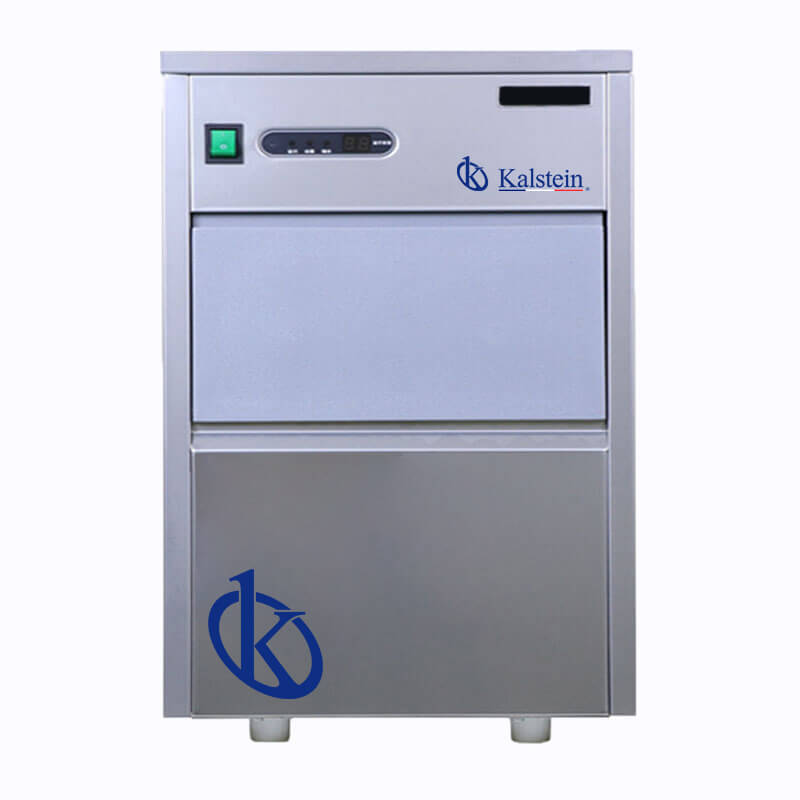
Maximizing ROI and Cost-Benefit Analysis for Laboratory Ice Machines
In laboratory settings, ice machines are vital for various applications, from preserving samples to cooling reagents. However, the investment in these machines needs to be justified through a comprehensive understanding of return on investment (ROI) and cost-benefit analysis. This article delves into how to assess these factors effectively, ensuring that laboratory professionals make informed purchasing decisions.
The Importance of ROI and Cost-Benefit Analysis
Understanding ROI and cost-benefit analysis is crucial for laboratory managers. These metrics help determine the financial feasibility of acquiring an ice machine. Proper analysis ensures that the laboratory can optimize its operations while keeping costs manageable.
Comparison of Available Models
| Model | Production Capacity (Kg/24h) | Storage Capacity (Kg) | Price (USD) | Optimal Laboratory Scenario |
|---|---|---|---|---|
| YR05130 | 20 | 10 | 435.00 | Small laboratories needing moderate ice supply. |
| YR05131 | 30 | 10 | 465.00 | Laboratories with higher ice demand. |
| YR05132 | 40 | 15 | 525.00 | Medium-sized laboratories looking for efficiency. |
| YR05133 | 50 | 15 | 565.00 | High-demand environments needing continuous supply. |
| YR05134 | 60 | 25 | 655.00 | Large laboratories requiring significant ice production. |
| YR05135 | 70 | 25 | 679.00 | High-throughput laboratories demanding large quantities. |
Cost Analysis of Ice Machines
The cost analysis includes initial investment (CAPEX), operating costs (OPEX), and potential savings on service and maintenance. For example, the YR05130 model has a lower initial cost at $435.00 but may require more frequent maintenance compared to the higher-end YR05134, which costs $655.00 but offers greater reliability.
Breakdown of Costs Over Time
A detailed breakdown of costs can provide insight into the best choice for your laboratory:
| Model | Initial Cost (USD) | Annual Operating Cost (USD) | Expected Lifespan (Years) | Total Cost Over Lifespan (USD) |
|---|---|---|---|---|
| YR05130 | 435.00 | 100.00 | 5 | 935.00 |
| YR05134 | 655.00 | 80.00 | 7 | 1,075.00 |
The total cost reflects long-term savings in operational efficiency.
Common Mistakes and How to Avoid Them
Laboratory managers often make mistakes regarding ice machine selection. Some common errors include not evaluating the specific needs of the laboratory, overlooking the total cost of ownership, and failing to consider future scalability. Conducting a thorough needs assessment before purchase can prevent these pitfalls.
Maximizing Efficiency with Ice Machines
To maximize ROI, laboratories should invest in high-quality machines that not only meet current demands but can also accommodate future growth. For instance, the YR05132 model, with a capacity of 40 Kg/24h, is ideal for medium-sized labs and supports scalability.
Environmental Considerations and Energy Consumption
Choosing energy-efficient models also plays a crucial role in cost-benefit analysis. Models like the YR05134 are designed to minimize energy consumption while maintaining high output, contributing to lower operational costs and environmental impact.
Frequently Asked Questions
What is the average payback period for an ice machine in a laboratory setting?
The payback period can vary, but for example, the YR05134, with a total cost of $1,075.00, typically pays for itself within 2-3 years through savings on ice purchases and operational efficiency.
Which ice machine model is the most cost-effective for small labs?
The YR05130 model is often recommended for small labs due to its lower initial cost of $435.00 and sufficient production capacity of 20 Kg/24h, providing a great balance between investment and utility.
How do operational costs differ between ice machine models?
Operational costs can differ significantly; for instance, the YR05130 has an estimated annual operating cost of $100.00, while the YR05134's annual operating cost is lower at $80.00, reflecting its efficiency.
What factors should be considered in a cost-benefit analysis for ice machines?
Key factors include the initial purchase price, operating costs, maintenance expenses, and the machine's lifespan. For example, investing in the YR05134 may yield better long-term savings despite its higher initial cost.
Are there specific standards that ice machines need to comply with in laboratories?
While there are no specific laboratory standards for ice machines, compliance with general safety regulations and energy efficiency standards is important. The models discussed, such as the YR05131, adhere to recognized safety certifications.
How can ice machines improve laboratory productivity?
Higher-capacity models like YR05134 can significantly improve productivity by reducing wait times for ice production, allowing labs to operate more efficiently and handle more samples.
What is the expected lifespan of a high-quality ice machine?
High-quality models like the YR05134 can have a lifespan of around 7 years, depending on usage and maintenance. Regular servicing can further extend their operational life.
Why is it important to choose the right ice machine for my laboratory?
Choosing the right ice machine can greatly affect operational costs, efficiency, and ultimately ROI. Models like YR05135 are designed for high throughput, meeting the demands of busy laboratories.
If you are looking for a fusion of innovation and quality, you have come to the right place. At Kalstein, we offer you the luxury of exploring our exclusive catalog of laboratory equipment. We manufacture every device to the highest standards of excellence. Our intuitive and seamless online purchasing channels are designed for your convenience, securing the most competitive prices. Hesitate no longer — we bring science to life, it is time to become part of our community.