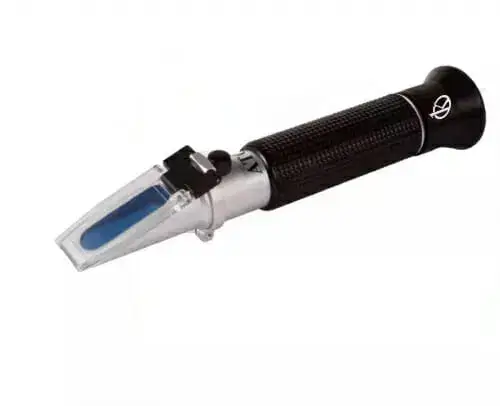
Maximizing ROI and Cost-Benefit Analysis for Honey Refractometers
In today's competitive laboratory environment, maximizing return on investment (ROI) while conducting thorough cost-benefit analysis is crucial for laboratories using honey refractometers. These instruments are essential for measuring sugar concentrations in honey and other sugary liquids, making them vital in food quality control and production processes. This article will provide an in-depth look at various models of honey refractometers, comparing their benefits, efficiencies, and financial implications.
Understanding Honey Refractometers and Their Importance
Honey refractometers are specialized instruments designed to measure the refractive index of honey and other sugar-containing liquids. With varying degrees of precision and functionality, they help ensure product quality by monitoring sugar concentration levels. The primary advantage of using these refractometers is the ability to detect the quality of honey, which is essential for producers and consumers alike.
By utilizing honey refractometers, laboratories can reduce costs associated with product failure and enhance overall production efficiency. As such, understanding the investment and operational costs related to these instruments can significantly impact a laboratory's financial health and efficiency.
Comparison of Available Models
| Model Code | Measurement Range | Min Division | Accuracy | Best For |
|---|---|---|---|---|
| YR05885 | 58-92% Brix | 0.50% Brix | ±0.5% Brix | Monitoring high sugar content in honey |
| YR05885-1 | 58-92% Brix | 0.50% Brix | ±0.5% Brix | Field testing for honey quality |
| YR05885-2 | 58-92% Brix | 0.50% Brix | ±0.5% Brix | Quality control during honey processing |
| YR05886 | 10-30% water | 0.10% water | ±0.10% water | Monitoring water content in honey |
Cost-Benefit Analysis: Key Metrics for Honey Refractometers
When considering the purchase of honey refractometers, it is essential to conduct a comprehensive cost-benefit analysis. This analysis should include initial investment costs, operational costs (OPEX), and potential savings or revenue increases from improved product quality.
Understanding CAPEX and OPEX
Capital expenditures (CAPEX) include the purchase price of the equipment, while operational expenditures (OPEX) cover maintenance, calibration, and any consumables required for effective use. For example, the YR05885 model, priced at $10.50, has a CAPEX that is manageable for smaller laboratories, while its accuracy and reliability offer a substantial ROI.
Improving Laboratory Efficiency with Honey Refractometers
Properly evaluating the financial efficiency of honey refractometers allows laboratories to optimize workflows. By selecting models that best fit specific needs, labs can ensure they operate at peak efficiency. This not only reduces waste and increases throughput but can also lead to significant long-term cost savings.
Common Mistakes and How to Avoid Them
One common mistake in laboratories is underestimating the importance of calibration and maintenance for honey refractometers. Neglecting these processes can lead to inaccurate results, which can compromise product quality and lead to financial losses. Regular maintenance and adherence to manufacturer guidelines are crucial for ensuring accuracy and extending the lifespan of the equipment.
Frequently Asked Questions
What are the key financial benefits of using honey refractometers in labs?
Using honey refractometers like the YR05885 can significantly improve financial outcomes by reducing waste and enhancing product quality. By ensuring accurate sugar level measurements, laboratories can maintain higher standards, leading to increased customer satisfaction and repeat business.
How can honey refractometers help in quality control processes?
Honey refractometers, such as the YR05886, are essential in quality control processes as they provide accurate readings of sugar concentrations. This helps labs monitor product specifications, ensuring compliance with industry standards and preventing product recalls that could incur substantial costs.
What is the average ROI period for honey refractometers in a laboratory?
The average ROI period for honey refractometers can vary, but with models like the YR05885 priced at $10.50, many labs report a payback period of fewer than 12 months due to enhanced efficiency and reduced waste.
Which honey refractometer model is best for monitoring sugar content in products?
The YR05885 model is best suited for monitoring sugar content in honey due to its measurement range of 58-92% Brix and accurate results, making it ideal for quality control in honey production.
How does proper calibration affect the performance of honey refractometers?
Proper calibration is vital for maintaining accuracy in honey refractometers. Inaccurate readings can lead to poor product quality and financial losses, making regular calibration essential for models like the YR05886.
What are the operational costs associated with honey refractometers?
Operational costs for honey refractometers include routine maintenance, calibration, and consumables. For instance, the YR05885 model requires periodic calibration that can incur additional costs but ensures long-term accuracy and reliability.
How can I determine the best honey refractometer model for my laboratory?
Determining the best honey refractometer involves assessing your laboratory's specific needs, including measurement range and accuracy requirements. Models like YR05885 offer versatility for various applications, making them popular choices.
What role do honey refractometers play in product development?
Honey refractometers are crucial in product development by allowing R&D teams to accurately measure sugar levels in formulations. This ensures that new products meet quality standards and consumer expectations.
If you are looking for a fusion of innovation and quality, you have come to the right place. At Kalstein, we offer you the luxury of exploring our exclusive catalog of laboratory equipment. We manufacture every device to the highest standards of excellence. Our intuitive and seamless online purchasing channels are designed for your convenience, securing the most competitive prices. Hesitate no longer — we bring science to life, it is time to become part of our community.