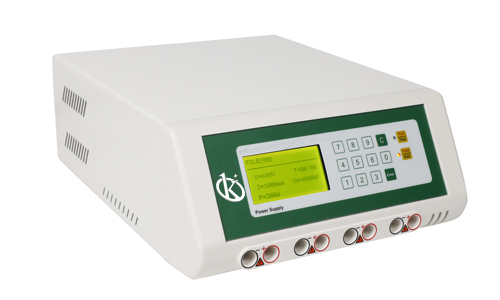
Maximizing ROI and Cost-Benefit Analysis for High-Voltage Power Supply in Laboratories
In laboratory environments, the choice of equipment significantly impacts both operational efficiency and financial performance. High-voltage power supplies are critical in various applications, including electrophoresis, material testing, and research. Understanding the return on investment (ROI) and conducting a thorough cost-benefit analysis are essential for making informed purchasing decisions. This article will delve into how to evaluate the ROI and cost-effectiveness of high-voltage power supplies within laboratory settings.
Understanding High-Voltage Power Supply in the Context of ROI
High-voltage power supplies are essential for providing the required voltage and current necessary for various laboratory processes. When considering the purchase of a high-voltage power supply, it is necessary to understand the factors contributing to ROI. These factors include initial capital expenditure (CAPEX), operational costs (OPEX), and the expected lifespan of the equipment. A thorough ROI analysis helps laboratories justify their investments and ensure that they are making financially sound decisions.
Key Factors in Cost-Benefit Analysis
The cost-benefit analysis for high-voltage power supplies involves evaluating both the quantitative and qualitative aspects of the investment. Quantitative factors include the cost of the equipment, maintenance expenses, and the potential savings from improved efficiency. Qualitative factors may involve the reliability of the equipment, user-friendliness, and the support from the manufacturer. By weighing these factors, laboratories can obtain a clearer picture of the overall value of their investment.
Comparison of Available Models
| Model | CAPEX (USD) | Cost per test | Payback period (months) | Recommended scenario |
|---|---|---|---|---|
| YR03409 | 1105.80 | Not defined yet | Not defined yet | Electrophoresis with advanced features |
| YR03408 | 1475.00 | Not defined yet | Not defined yet | High-performance electrophoresis applications |
| YR03405 | 967.20 | Not defined yet | Not defined yet | Cost-effective for basic applications |
| YR03406 | 552.00 | Not defined yet | Not defined yet | Ideal for educational settings |
| YR03407 | 1383.00 | Not defined yet | Not defined yet | Advanced research applications |
Evaluating CAPEX Versus OPEX
When determining the return on investment for high-voltage power supplies, laboratories need to distinguish between capital expenditures (CAPEX) and operational expenditures (OPEX). CAPEX refers to the initial costs incurred to acquire the equipment, while OPEX encompasses the ongoing costs associated with operation and maintenance. By analyzing these expenditures, laboratories can identify the total cost of ownership and estimate the payback period for their investment.
Establishing a Payback Period
The payback period is a vital metric for assessing the financial viability of an investment in high-voltage power supplies. It refers to the time required for the cumulative savings generated by the equipment to equal the initial investment. To calculate the payback period, laboratories can estimate their monthly savings based on improved efficiency, reduced downtime, and minimized maintenance costs.
Common Mistakes and How to Avoid Them
Laboratories often fall into common pitfalls when evaluating high-voltage power supplies. One frequent mistake is focusing solely on the purchase price rather than the total cost of ownership. Additionally, underestimating maintenance costs can lead to unexpected financial burdens. To avoid these mistakes, laboratories should conduct thorough research, consult with experts, and consider both short-term and long-term implications of their investments.
Frequently Asked Questions
What factors should I consider for ROI in high-voltage power supply investments?
When considering ROI for high-voltage power supplies like the YR03409, evaluate both CAPEX and OPEX. Consider the initial cost, maintenance, and potential savings from efficiency gains. Calculating expected payback periods can help justify the purchase.
How can I conduct a cost-benefit analysis for high-voltage power supplies?
A cost-benefit analysis involves comparing initial costs and ongoing operational expenses against expected savings from improved performance. Use models like the YR03408 for accurate quantification of benefits and explore qualitative factors like reliability and manufacturer support.
What is the typical payback period for a high-voltage power supply?
The payback period varies widely based on usage and efficiency improvements. For a model like YR03405, laboratories may expect a payback period of several months to a couple of years depending on their specific operational needs and savings generated.
Which high-voltage power supply model is best for electrophoresis applications?
Models like YR03409 and YR03408 are specifically designed for advanced electrophoresis applications. They offer features such as storage for multiple methods and intelligent control systems, making them ideal for laboratories focused on this area.
How do I compare the total cost of ownership for different high-voltage power supplies?
To compare total cost of ownership, consider both CAPEX and OPEX for each model. Analyze initial purchase costs, expected maintenance, and operational efficiencies to see which model, like YR03406 or YR03407, offers the best long-term value.
What impact does energy consumption have on the ROI of high-voltage power supplies?
Energy consumption directly affects OPEX, impacting ROI. Models that are more energy-efficient, such as YR03406, can reduce operational costs and improve overall financial performance, making them a better long-term investment.
How can high-voltage power supplies improve laboratory efficiency?
High-voltage power supplies enhance laboratory efficiency by providing stable and adjustable voltages needed for various applications. Models like YR03408 support multiple testing protocols, which helps streamline workflows and reduce testing times.
What are the maintenance requirements for high-voltage power supplies?
Maintenance requirements for high-voltage power supplies, such as regular calibration and inspections, can vary by model. Ensuring equipment like YR03407 is well-maintained can prevent costly downtimes and contribute to a better ROI.
If you are looking for a fusion of innovation and quality, you have come to the right place. At Kalstein, we offer you the luxury of exploring our exclusive catalog of laboratory equipment. We manufacture every device to the highest standards of excellence. Our intuitive and seamless online purchasing channels are designed for your convenience, securing the most competitive prices. Hesitate no longer — we bring science to life, it is time to become part of our community.