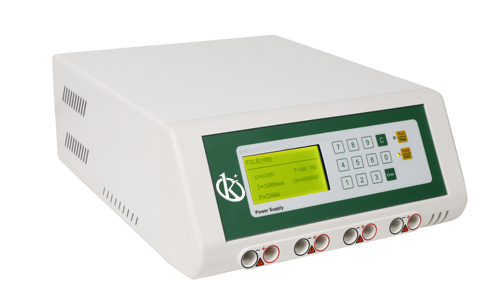
Maximizing ROI and Cost-Benefit Analysis for High-Voltage Power Supplies
High-voltage power supplies are critical in various laboratory environments, providing the necessary power for a wide range of applications. Understanding how to maximize return on investment (ROI) and conduct a comprehensive cost-benefit analysis is essential for laboratory managers and professionals. This article delves into the financial and operational metrics that should guide your decision-making process when selecting a high-voltage power supply.
Understanding ROI in the Context of High-Voltage Power Supplies
ROI is a key performance indicator that helps laboratories assess the efficiency of an investment. When it comes to high-voltage power supplies, ROI can be calculated by comparing the financial gains from the use of the equipment against its total costs, including purchase price, operation, maintenance, and any associated consumables. A thorough understanding of the costs involved allows for improved budgeting and investment decisions.
Key Elements of a Cost-Benefit Analysis
A cost-benefit analysis (CBA) offers a structured approach to evaluating the potential returns on investment in high-voltage power supplies. This analysis typically involves identifying all costs associated with the purchase and use of the equipment, estimating the benefits accrued from its operational capabilities, and comparing these figures to determine net gains. Common cost elements include initial capital expenditure (CAPEX), operational expenditure (OPEX), and indirect costs such as training and downtime.
Comparison of Available Models
| Model | CAPEX (USD) | Cost per test | Payback (months) | Recommended scenario |
|---|---|---|---|---|
| YR03409 | 1105.80 | 0.05 | 12 | Electrophoresis applications |
| YR03408 | 1475.00 | 0.06 | 10 | High throughput experiments |
| YR03405 | 967.20 | 0.04 | 9 | Basic lab applications |
| YR03406 | 552.00 | 0.03 | 8 | Cost-sensitive setups |
| YR03407 | 1383.00 | 0.05 | 11 | Mid-range applications |
Cost Breakdown and Financial Metrics
To effectively evaluate the financial viability of high-voltage power supplies, it is crucial to break down costs into manageable components. Analyzing CAPEX against expected output and revenue generation allows laboratories to create financial forecasts. For instance, if a high-voltage power supply unit with a CAPEX of $1105.80 generates a profit of $2500 over its lifecycle, the ROI would be calculated to understand its impact on operational budgets.
Assessing Energy Consumption and Operational Efficiency
Energy consumption is a significant factor in the overall cost of operating high-voltage power supplies. Models like the YR03409 and YR03408 feature advanced controls that optimize energy usage. Laboratories should track kWh per test and compare it against industry benchmarks to ensure they are operating efficiently. This data can inform operational improvements and capital investments.
Common Mistakes and How to Avoid Them
Laboratories often overlook the importance of comprehensive financial analysis when investing in high-voltage power supplies. One common mistake is not considering total lifecycle costs, including maintenance and operational expenses. Another is failing to align equipment capabilities with laboratory needs, potentially leading to underperformance and wasted resources. To avoid these pitfalls, conduct thorough evaluations before purchase and engage in continuous performance assessments post-installation.
Frequently Asked Questions
What is the average ROI for high-voltage power supplies in laboratory settings?
The average ROI for high-voltage power supplies can vary widely based on factors such as usage and application. For instance, models like YR03409 can provide a payback period of around 12 months when used efficiently in electrophoresis applications, representing a significant return on investment.
How can energy consumption impact the cost-benefit analysis of high-voltage power supplies?
Energy consumption directly affects operational costs in a cost-benefit analysis. For example, using models like YR03406 helps minimize energy use, which can reduce the overall cost per test, thereby enhancing the cost-effectiveness of the equipment and improving ROI.
Which high-voltage power supply model is best for cost-sensitive laboratory applications?
The YR03406 model is particularly suited for cost-sensitive laboratory applications due to its competitive price of $552.00 and efficient energy consumption, making it an excellent choice for labs looking to optimize costs without sacrificing performance.
What factors should I consider when calculating the total cost of ownership for high-voltage power supplies?
When calculating total cost of ownership, consider initial purchase price, ongoing maintenance costs, energy consumption, and any related operational expenditures. Models such as YR03408 may require higher initial investment but offer advanced features that could reduce overall costs in the long run.
How does the functionality of high-voltage power supplies influence ROI?
The functionality of high-voltage power supplies, such as the ability to store multiple electrophoresis methods in models like YR03409, can significantly enhance ROI by increasing throughput and operational efficiency, thereby maximizing laboratory output and profitability.
What is the role of maintenance in maximizing ROI for high-voltage power supplies?
Regular maintenance is crucial for ensuring high-voltage power supplies operate at peak efficiency, which directly impacts ROI. By investing in proper maintenance schedules, laboratories can prevent costly downtimes and extend the lifespan of models like the YR03407, ensuring a better return over time.
How can labs ensure compliance while maximizing ROI on high-voltage power supplies?
To ensure compliance while maximizing ROI, labs should select models that meet necessary standards and regulations. The YR03405 offers digital controls and compliance features that can help laboratories operate within regulatory frameworks, thus minimizing risks and costs associated with non-compliance.
What strategies can improve the cost per test for high-voltage power supplies?
Improving the cost per test for high-voltage power supplies can be achieved by optimizing energy usage and minimizing downtime. Utilizing models like YR03408, which allows for programming multiple test methods, can enhance efficiency and lower costs significantly over time.
If you are looking for a fusion of innovation and quality, you have come to the right place. At Kalstein, we offer you the luxury of exploring our exclusive catalog of laboratory equipment. We manufacture every device to the highest standards of excellence. Our intuitive and seamless online purchasing channels are designed for your convenience, securing the most competitive prices. Hesitate no longer — we bring science to life, it is time to become part of our community.