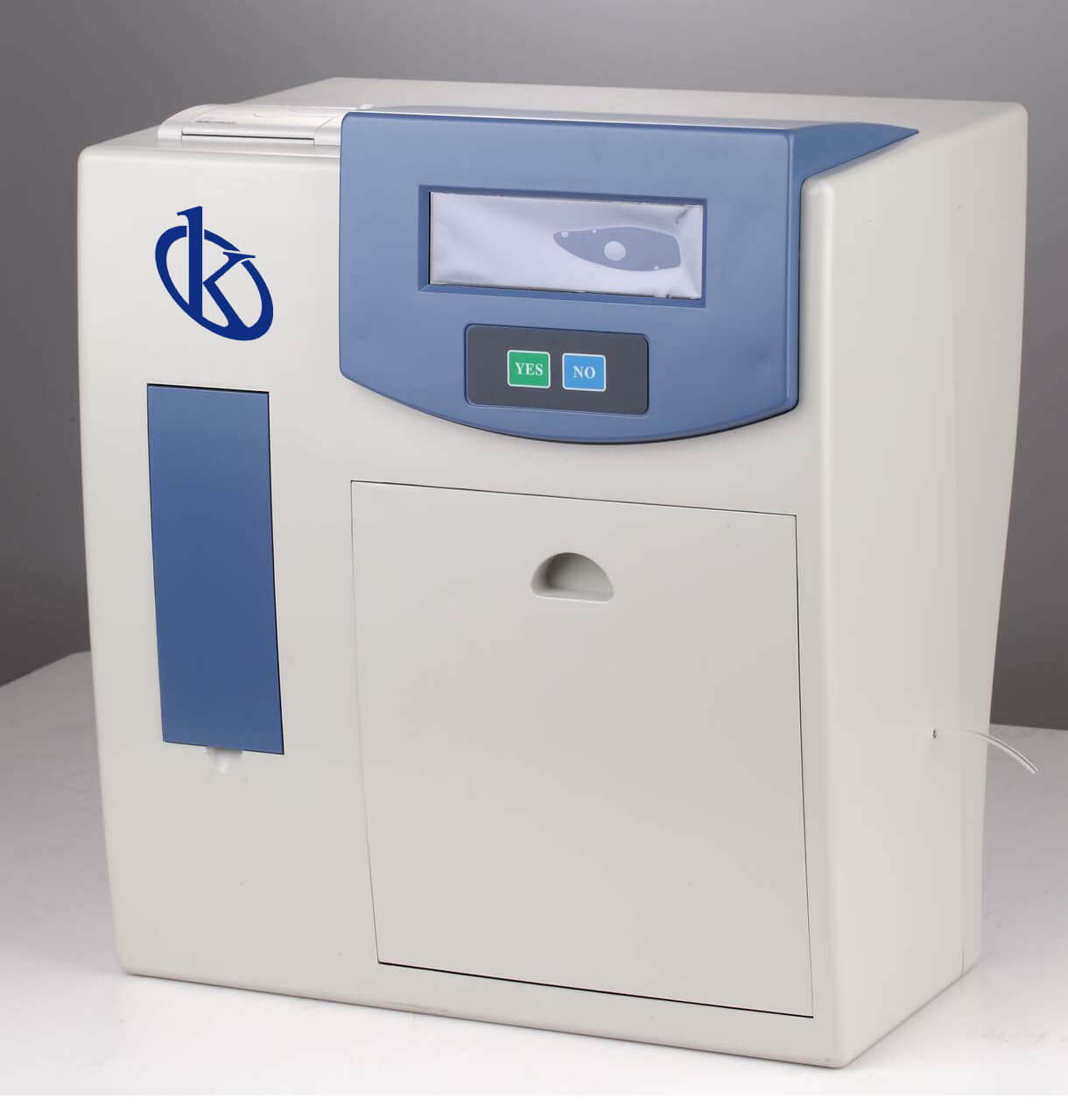
Maximizing ROI and Cost-Benefit Analysis for Electrolyte Analyzers
In today's competitive laboratory environment, maximizing the return on investment (ROI) while ensuring precision and efficiency is crucial. Electrolyte analyzers play a pivotal role in various clinical settings, providing essential data for patient care. Understanding the cost-benefit dynamics of these analyzers can help laboratories make informed decisions that not only enhance service delivery but also ensure financial sustainability. This article delves into critical aspects of ROI and cost-benefit analysis specifically tailored for electrolyte analyzers.
Understanding ROI in Electrolyte Analyzers
ROI is a performance measure that evaluates the efficiency or profitability of an investment. In the context of electrolyte analyzers, it is vital to assess both direct and indirect costs associated with the purchase, operation, and maintenance of these devices. Factors influencing ROI include the initial capital expenditure (CAPEX), operational expenses (OPEX), and the level of accuracy and efficiency offered by different models.
Key Factors Influencing Cost-Benefit Analysis
When conducting a cost-benefit analysis for electrolyte analyzers, several variables must be considered:
- Initial Costs: This includes the price of the analyzer, installation costs, and any necessary accessories.
- Operating Costs: Considers consumables, maintenance, and potential downtime.
- Efficiency: Evaluate the speed and accuracy of results to ensure optimal throughput and minimal errors.
- Longevity and Reliability: The expected lifespan of the analyzer can affect total ownership costs.
Comparison of Available Models
| Model | CAPEX (USD) | Cost per Test (USD) | Payback Period (Months) | Recommended Scenario |
|---|---|---|---|---|
| YR05169 | 6797.50 | 2.30 | 12 | High volume labs requiring real-time diagnostics |
| YR06391 | 1250.00 | 1.50 | 8 | Smaller clinics with moderate sample throughput |
| YR06392 | 1450.00 | 1.60 | 9 | Research facilities with diverse testing needs |
| YR06393 | 1650.00 | 1.70 | 10 | Hospitals focusing on critical care |
| YR06394 | 1850.00 | 1.80 | 11 | Laboratories with specific testing protocols |
| YR06395 | 2050.00 | 1.90 | 12 | Facilities requiring advanced features for specialized tests |
Evaluating CAPEX vs OPEX for Electrolyte Analyzers
It is essential to differentiate between capital expenditures (CAPEX) and operational expenditures (OPEX) when analyzing the financial implications of electrolyte analyzers. CAPEX includes the initial purchase cost and installation, while OPEX encompasses the ongoing costs such as consumables, maintenance, and repairs.
For instance, the YR05169 model, with a CAPEX of 6797.50 USD, has a cost per test lower than those of its competitors, suggesting that its operational efficiency compensates for the initial investment over time.
Quantifying Cost per Test
Understanding the cost per test is critical for laboratories aiming to maximize their profitability. Factors influencing the cost per test include the price of reagents, the efficiency of the analyzer, and the volume of tests conducted. For example, the YR06391 model incurs about 1.50 USD per test, which is significantly lower than older models, making it a compelling choice for cost-conscious laboratories.
Common Mistakes and How to Avoid Them
When conducting a cost-benefit analysis, several pitfalls may lead to misguided decisions:
- Ignoring Long-term Costs: Focusing solely on upfront costs can lead to higher expenses in the future due to inefficient models.
- Neglecting Maintenance Needs: Underestimating the importance of regular maintenance can result in unexpected repairs that affect lab productivity.
- Not Considering Usage Variability: Failing to analyze how usage patterns can affect overall costs and efficiency can skew projections.
Frequently Asked Questions
How can I calculate the return on investment for my electrolyte analyzer?
To calculate the ROI for your electrolyte analyzer, assess both initial costs, such as the model YR05169 at 6797.50 USD, and ongoing operational costs. Compare these costs against the revenue generated from tests performed, ensuring to factor in throughput and time savings achieved by the analyzer.
What are the operational costs associated with electrolyte analyzers?
Operational costs for electrolyte analyzers like the YR06391 can include consumables, maintenance, energy usage, and periodic calibration. Estimating these costs accurately helps gauge the total cost of ownership and informs better purchasing decisions.
Which electrolyte analyzer provides the best value for small laboratories?
The YR06391, priced at 1250.00 USD, offers excellent value for small laboratories. Its low operational costs and compact design make it ideal for settings where space and budgets are limited.
How does the accuracy of electrolyte analyzers impact ROI?
Accuracy directly influences ROI; models like the YR05169 feature advanced calibration systems that ensure precise measurements, reducing retesting and enhancing lab efficiency. Higher accuracy can lead to increased test throughput, directly boosting revenue.
What factors should I consider when choosing an electrolyte analyzer?
Consider factors such as the model’s CAPEX, OPEX, accuracy, speed of analysis, and the types of samples it can handle. For example, the YR06394 provides extensive measurement capabilities that might be beneficial for diversified sample testing.
How do energy costs affect the overall cost of running an electrolyte analyzer?
Energy costs can significantly impact the overall operational expenses of an electrolyte analyzer. Models like the YR06391 are designed for low power consumption, which helps reduce these costs while maintaining high performance.
What is the most efficient electrolyte analyzer for high-volume testing?
The YR05169, with an efficient testing capacity and automated features, is ideal for high-volume testing scenarios. Its capabilities ensure rapid turnaround times, optimizing laboratory efficiency and profitability.
How frequently should I perform maintenance on my electrolyte analyzer?
Regular maintenance is crucial for ensuring precision and longevity. It is typically recommended to perform maintenance on models like the YR06392 at least every six months or as prescribed in the user manual to prevent any potential discrepancies in results.
If you are looking for a fusion of innovation and quality, you have come to the right place. At Kalstein, we offer you the luxury of exploring our exclusive catalog of laboratory equipment. We manufacture every device to the highest standards of excellence. Our intuitive and seamless online purchasing channels are designed for your convenience, securing the most competitive prices. Hesitate no longer — we bring science to life, it is time to become part of our community.