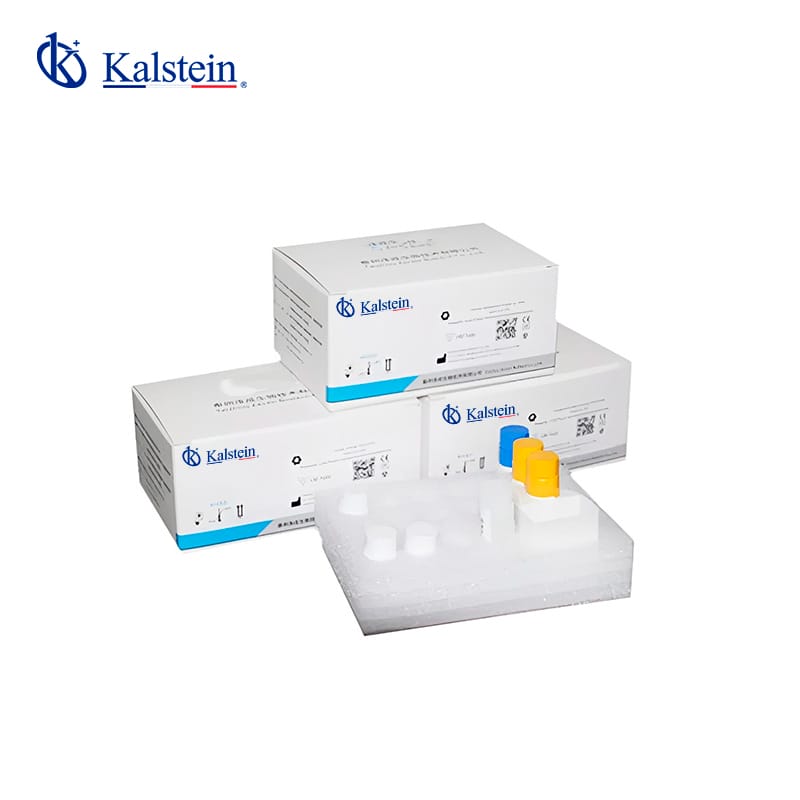
Maximizing ROI and Cost-Benefit Analysis for Chemiluminescence Reagents in Laboratories
Chemiluminescence reagents are vital components in modern laboratories, particularly for diagnostic testing such as thyroid disease. With the need for labs to not only function efficiently but also to be cost-effective, understanding the ROI and cost-benefit analyses of these reagents is paramount. In this article, we will delve deep into the different models available, their applications, and how they contribute to a laboratory's financial health.
Understanding ROI and Cost-Benefit in Chemiluminescence Reagents
The ROI (Return on Investment) and cost-benefit analysis in the context of chemiluminescence reagents involve evaluating the financial returns from using these reagents against the costs incurred. This includes not only the purchase price but also operational costs, maintenance, and the potential revenue generated from accurate and timely results. By analyzing these factors, laboratories can optimize their supply chain and improve profitability.
Key Metrics in Analyzing ROI
When examining ROI for chemiluminescence reagents, several metrics are crucial:
- CAPEX (Capital Expenditures): The initial investment in reagents and equipment.
- OPEX (Operational Expenditures): Ongoing costs associated with testing and reagents, including labor and consumables.
- Cost per Test: The financial cost attributed to each test performed using chemiluminescence reagents.
- Payback Period: The time required to recover the initial investment through savings or increased revenues.
Comparison of Available Models
| Model | Cost per Test (USD) | CAPEX (USD) | Payback Period (Months) | Recommended Scenario |
|---|---|---|---|---|
| YRA279 | 15.00 | 1,500 | 12 | Medium-sized labs performing thyroid tests |
| YRA280 | 15.00 | 1,500 | 12 | Medium-sized labs focusing on hormonal analysis |
| YRA281 | 15.00 | 1,500 | 12 | Labs requiring comprehensive thyroid screening |
| YRA282 | 15.00 | 1,500 | 12 | High-throughput labs needing fast results |
| YRA283 | 15.00 | 1,500 | 12 | Labs with diverse testing requirements |
| YRA284 | 35.00 | 3,000 | 24 | Specialized labs performing rare tests |
Common Mistakes and How to Avoid Them
When conducting ROI and cost-benefit analyses for chemiluminescence reagents, laboratories often make several common mistakes. Here are some pitfalls to avoid:
- Underestimating Operational Costs: Ensure all ongoing costs, including labor, maintenance, and consumables, are included in your analysis.
- Ignoring Capacity Needs: Select reagents based on the test volume your lab anticipates to ensure efficiency.
- Not Regularly Updating Analyses: Market conditions and pricing can change; regularly review your analyses to adapt.
Evaluating Chemiluminescence Reagents for Cost-Effectiveness
To evaluate the cost-effectiveness of different chemiluminescence reagents, consider using a quantitative approach. For instance, calculate the total costs for running multiple tests using different reagents over a specific time period, say monthly or quarterly. Use this data to compare the cost per test across different models.
Specific Use Cases of Chemiluminescence Reagents
Chemiluminescence reagents serve a myriad of applications in laboratory settings, especially in the diagnosis of thyroid diseases. By utilizing models such as YRA279 and YRA280, labs can perform comprehensive assessments for TSH, TT3, TT4, and more. Each model provides unique advantages depending on the lab's specific needs and testing capacity.
Future Trends in Chemiluminescence Reagents
As technology advances, the chemiluminescence reagent market is expected to evolve, focusing on greater accuracy, lower costs, and enhanced efficiency. Innovations may include improved detection limits and faster testing times, ultimately impacting ROI positively through increased test throughput and reduced operational costs.
Frequently Asked Questions
What factors should I consider when analyzing ROI for chemiluminescence reagents?
When analyzing ROI for chemiluminescence reagents such as the YRA279 model, consider factors including initial CAPEX, ongoing OPEX, and the cost per test. These elements collectively influence the profitability and efficiency of your laboratory operations.
How does the cost per test impact my laboratory's finances?
The cost per test, which is approximately 15.00 USD for models like YRA280, directly influences the overall laboratory budget. Lowering this cost can lead to better financial outcomes and improved service offerings in your lab.
Which chemiluminescence reagent model is best for high-throughput labs?
For high-throughput labs, the YRA282 model is ideal due to its design for rapid analysis. This model enables quicker test results, thereby improving turnaround times and increasing lab efficiency.
What are the common mistakes in cost-benefit analysis for laboratory reagents?
Common mistakes include overlooking operational costs, failing to update analyses based on market changes, and not aligning reagent choices with actual lab capacity. These errors can skew ROI calculations and affect decision-making.
How can I calculate the payback period for a chemiluminescence reagent?
The payback period can be calculated by dividing the initial investment by the net monthly profit generated from tests using the reagent. For instance, with a YRA284 model costing 35.00 USD per test, calculate potential revenue against expenses to find payback duration.
What is the significance of CAPEX in evaluating laboratory reagents?
CAPEX represents the initial costs necessary for acquiring chemiluminescence reagents like the YRA279 model. Understanding these costs is crucial for calculating ROI and determining how long it will take for a laboratory to recover its investment.
Which chemiluminescence reagents are most cost-effective for thyroid disease testing?
Models such as YRA279 and YRA280 offer cost-effective solutions for thyroid disease testing, notably due to their low cost per test of approximately 15.00 USD and comprehensive testing capabilities which facilitate accurate diagnostics.
How often should I revisit my cost-benefit analysis of laboratory reagents?
It is advisable to revisit your cost-benefit analysis at least annually or whenever significant changes occur in reagent costs, operational expenses, or laboratory service offerings. Regular reviews ensure alignment with current market conditions and operational efficiency.
If you are looking for a fusion of innovation and quality, you have come to the right place. At Kalstein, we offer you the luxury of exploring our exclusive catalog of laboratory equipment. We manufacture every device to the highest standards of excellence. Our intuitive and seamless online purchasing channels are designed for your convenience, securing the most competitive prices. Hesitate no longer — we bring science to life, it is time to become part of our community.